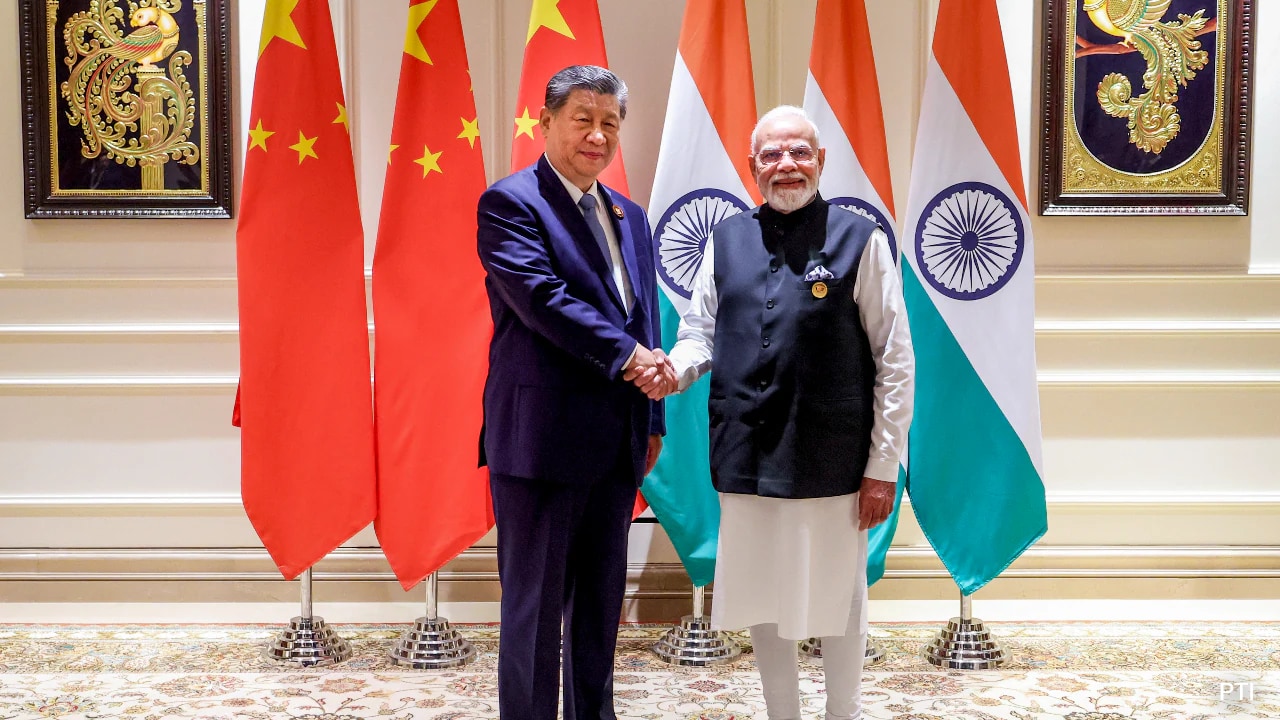
A former government adviser highlights that despite border tensions, China requires stability with India to navigate its own economic and strategic challenges.
- President Xi Jinping's visit marks a significant diplomatic shift after seven years.
- Border disputes and trade imbalances remain the primary friction points.
- Strategic stability with India is viewed as essential for China's long-term interests.
The upcoming diplomatic engagement involving Chinese President Xi Jinping is being viewed as a pivotal moment in Asian geopolitics. This marks his first significant visit to the region in seven years, occurring at a time when bilateral ties have been severely strained by ongoing border disputes and a widening trade imbalance.
Speaking to NDTV, a former government adviser noted that China's current economic landscape necessitates a more stable relationship with India. As Beijing navigates internal economic shifts, maintaining a predictable relationship with the world's fastest-growing major economy is becoming a strategic imperative.
Why This Matters
BozokMedia analysis shows that the India-China dynamic is a cornerstone of global economic stability. Any escalation in border tensions does not just affect bilateral trade but ripples through global manufacturing and supply chains, impacting markets worldwide.
For China, maintaining stability with India is no longer just a diplomatic preference, but a strategic necessity for economic resilience.
Historically, the relationship between these two Asian giants has been a rollercoaster of cooperation and confrontation. From the legacy of the 1962 conflict to the recent tensions in the Galwan Valley, the trust deficit has remained high. However, the sheer scale of their mutual economic interdependence provides a unique cushion against total decoupling.
The dialogue between Prime Minister Narendra Modi and President Xi Jinping is expected to focus on de-escalation along the Line of Actual Control (LAC) and addressing the structural issues within their bilateral trade framework.
Frequently Asked Questions
1. What are the primary causes of tension between India and China?
The main drivers are the unresolved border disputes and the significant trade deficit faced by India.
2. Why is this visit considered historic?
It is the first major high-level engagement in seven years, signaling a potential reset in relations.