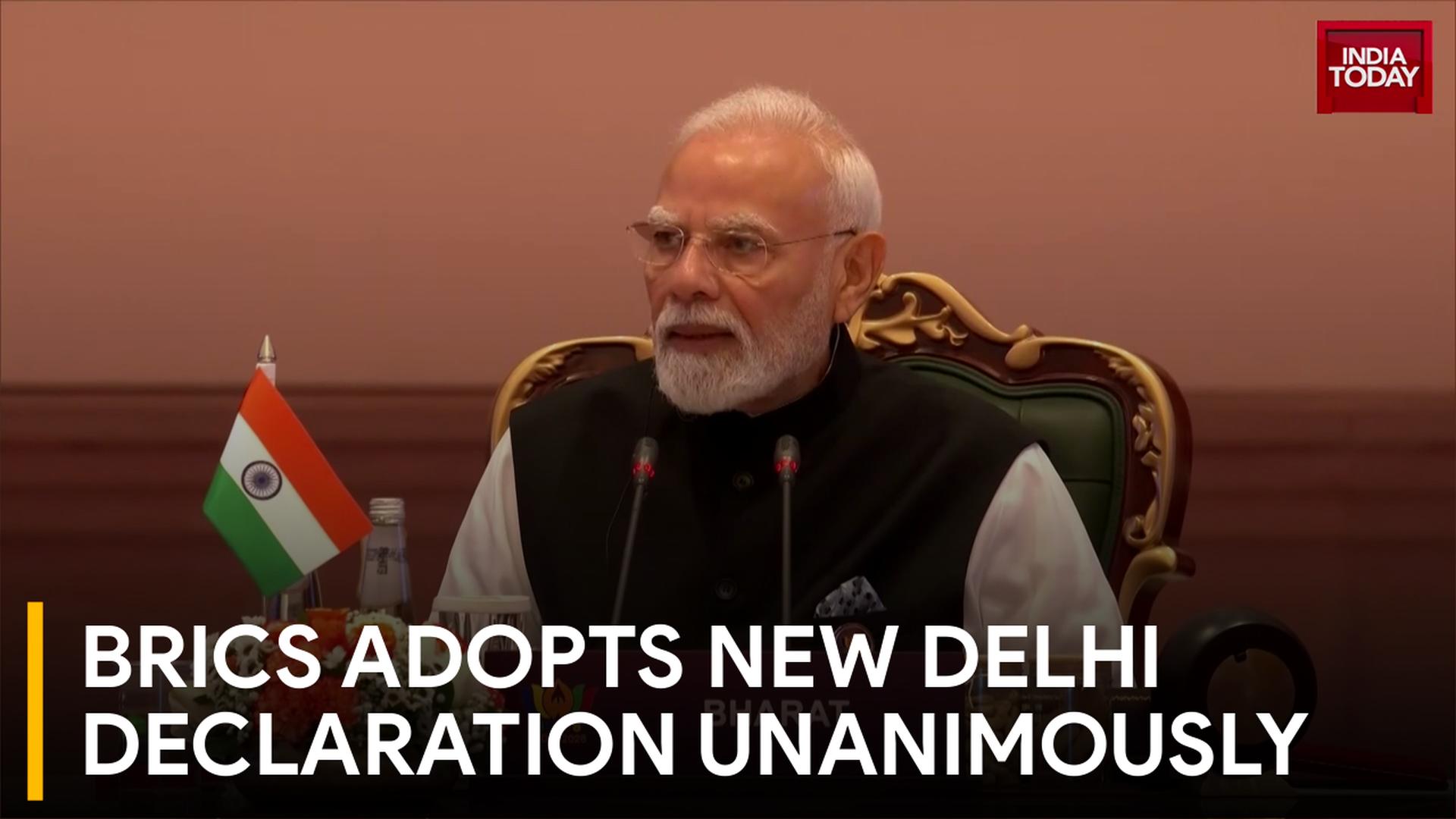
India has achieved a major diplomatic milestone by securing the adoption of the 'New Delhi Declaration' at the BRICS summit. This consensus comes at a critical time as regional tensions in West Asia show signs of easing.
- India successfully led the adoption of the 'New Delhi Declaration' within BRICS.
- A diplomatic thaw between Iran and the UAE is reshaping regional dynamics.
- Donald Trump suggested the West Asia conflict may conclude soon following US elections.
New Delhi: In a landmark achievement for Indian diplomacy, the BRICS summit has concluded with the unanimous adoption of the 'New Delhi Declaration'. This consensus underscores India's pivotal role in steering the bloc toward a more cohesive and multipolar framework, ensuring that the interests of emerging economies are prioritized on the global stage.
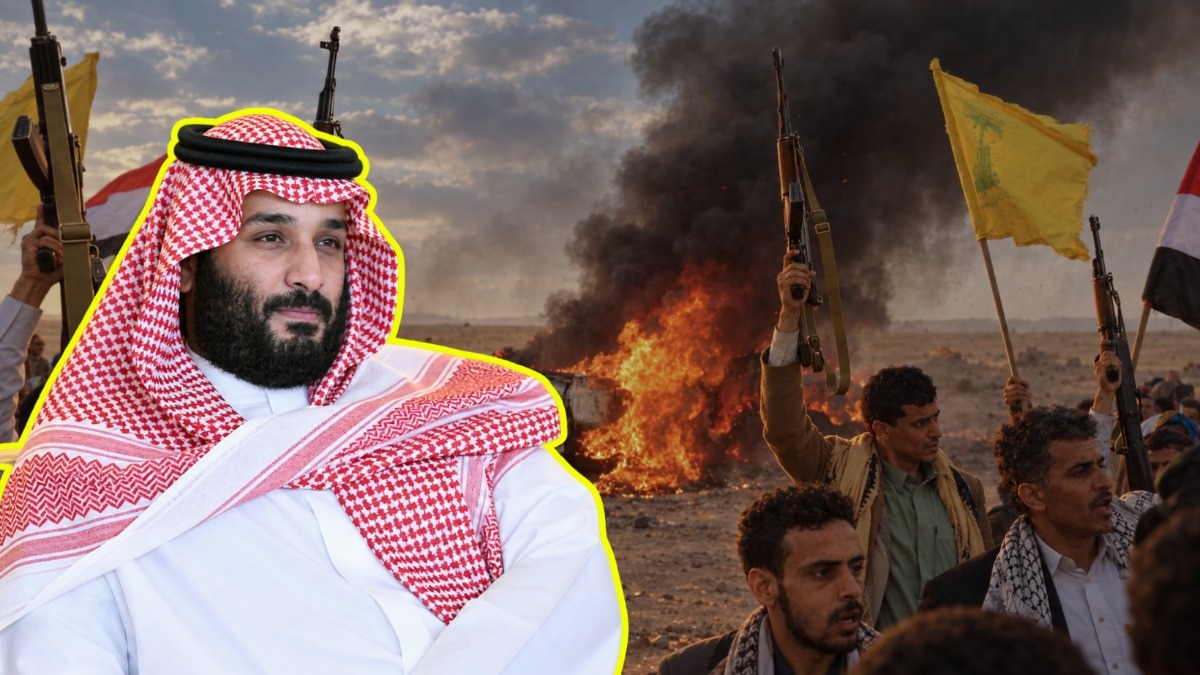
The adoption of this declaration arrives amidst a significant geopolitical shift in West Asia. The ongoing rapprochement between Iran and the United Arab Emirates (UAE) has provided a backdrop of cautious optimism, facilitating smoother diplomatic dialogues within the BRICS framework. This regional de-escalation is seen as a catalyst for broader economic cooperation among member states.
Why This Matters
BozokMedia analysis shows that India's ability to forge consensus amidst divergent national interests highlights its growing stature as a global mediator. The New Delhi Declaration is not merely a symbolic document; it is a strategic roadmap designed to strengthen intra-bloc trade and political stability.
India has successfully bridged the gap between competing geopolitical interests to create a unified voice for the Global South.
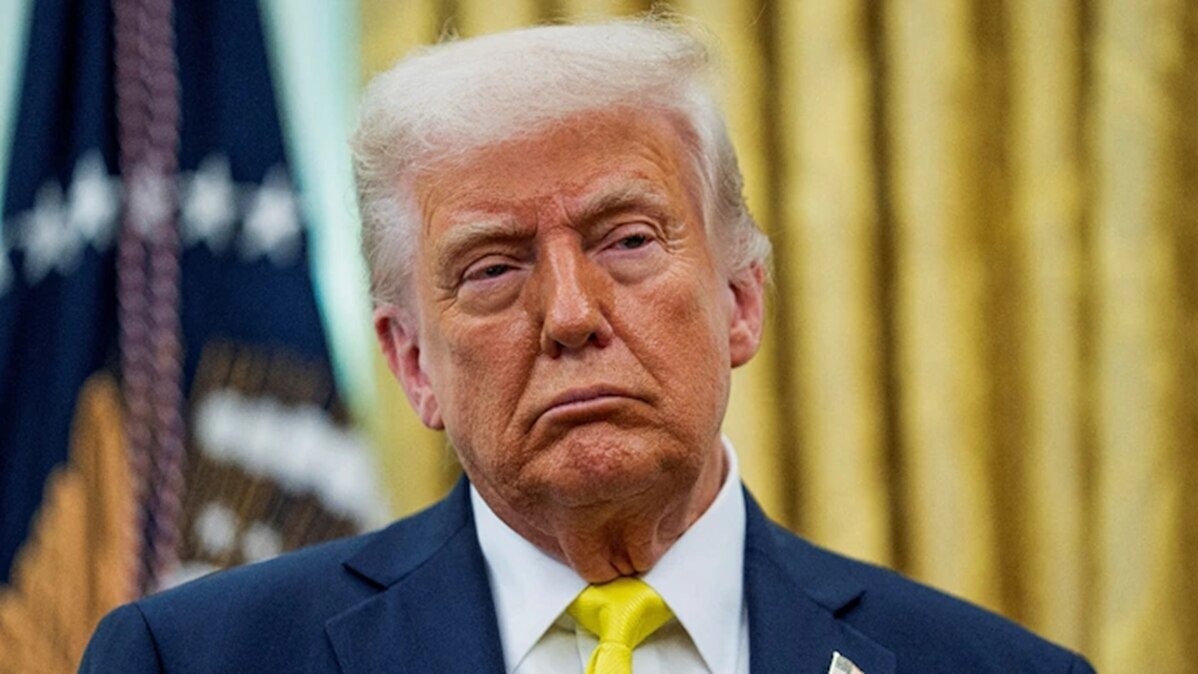
Adding complexity to the global landscape, former US President Donald Trump made provocative statements regarding the West Asia conflict. Trump claimed the war would conclude shortly, suggesting that Tehran is attempting to prolong the instability to disrupt upcoming US midterm elections. He further emphasized that nuclear proliferation in Iran remains a red line for global security.
Contrasting these views, Iranian President Masoud Pezeshkian has directly accused Washington of fueling the current conflict. In recent discussions, Pezeshkian pointed toward the targeting of civilian infrastructure as a primary driver of regional instability, highlighting the deep-seated distrust between Tehran and the West.
Historical Background
Since its inception, BRICS has evolved from an economic concept into a powerful geopolitical bloc. India's leadership within the group has consistently focused on balancing economic growth with strategic autonomy, a trend that has culminated in the comprehensive New Delhi Declaration.
Frequently Asked Questions
1. What is the significance of the New Delhi Declaration?
It serves as a unified strategic framework for BRICS nations to enhance cooperation in trade, security, and global governance.
2. How does the Iran-UAE thaw affect BRICS?
Improved relations in the Middle East reduce regional volatility, creating a more stable environment for BRICS' economic and diplomatic initiatives.