A commercial vessel in the strategic Strait of Hormuz has been struck by a missile attack, leaving one dead and three injured. The incident occurred almost simultaneously with peace appeals at the BRICS summit, raising severe concerns over global energy supply security.
- A commercial vessel was struck by an unidentified projectile in the Strait of Hormuz, resulting in one fatality and three injuries.
- The attack coincided with the BRICS Summit, where member nations actively called for global peace, diplomacy, and conflict resolution.
- The United Kingdom Maritime Trade Operations (UKMTO) has issued urgent warnings to all transit vessels in the region, escalating fears of oil supply disruptions.
A dramatic escalation in maritime tensions has unfolded in the Middle East as a commercial vessel was targeted in a deadly missile attack in the critical Strait of Hormuz. The incident, which occurred near Iranian waters, has resulted in the tragic death of one crew member and left three others injured. This sudden flare-up has sent shockwaves through global energy markets, occurring at a highly sensitive geopolitical juncture.
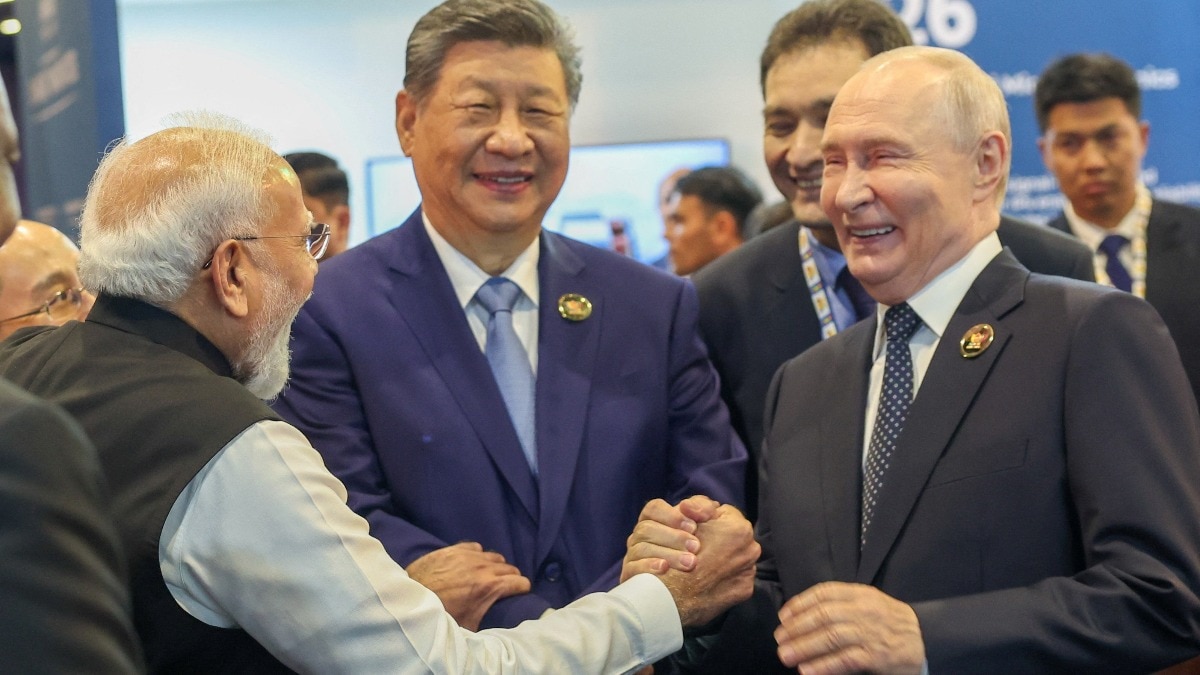
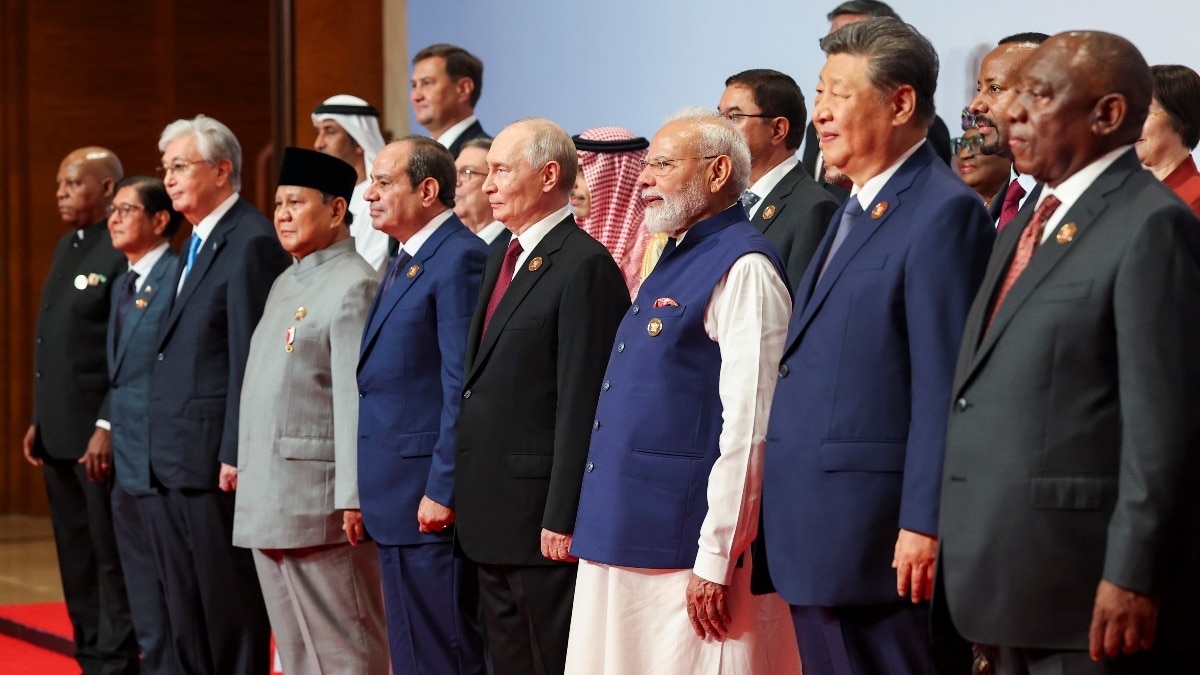
What makes this attack particularly striking is its timing. It took place almost simultaneously with the high-profile BRICS Summit in Kazan, Russia, where world leaders—including Indian Prime Minister Narendra Modi and Russian President Vladimir Putin—made resounding appeals for global peace, dialogue, and diplomatic resolution of ongoing conflicts. The stark contrast between diplomatic declarations and explosive violence in the Persian Gulf highlights the deep fragmentation of the current global security architecture.
According to reports from the United Kingdom Maritime Trade Operations (UKMTO), the commercial vessel was struck by an unidentified projectile, causing significant damage and a fire on board. Emergency responses were initiated immediately, but the casualty count underscores the rising physical dangers faced by merchant mariners. In response, the UKMTO has issued a stern advisory warning to all vessels operating in and around the Strait of Hormuz to exercise extreme caution.
Why This Matters
A BozokMedia analysis shows that the Strait of Hormuz is the world's most critical oil transit chokepoint, through which roughly one-fifth of the world's petroleum consumption passes daily. Any prolonged instability or threat of kinetic strikes in this narrow waterway directly threatens global energy security, potentially driving inflation and oil prices to unprecedented heights. The vulnerability of this route means that regional conflicts can almost instantly transform into global economic crises.
"The attack in the Strait of Hormuz, occurring in tandem with diplomatic peace efforts at BRICS, demonstrates that regional actors are increasingly willing to leverage critical maritime chokepoints to exert geopolitical pressure, regardless of international diplomatic consensus." — Maritime Security Analyst
| Feature | Strait of Hormuz | Red Sea / Bab-el-Mandeb |
|---|---|---|
| Daily Oil Flow | Approx. 20-21 million barrels per day | Approx. 6-8 million barrels per day |
| Primary Threat | State-sponsored friction (Iran) & sea mines | Houthi rebel drone and missile strikes |
| Economic Impact | Immediate global oil price shockwaves | Rerouting around Africa, shipping delays |
Historical Background
The Strait of Hormuz has long been a geopolitical flashpoint. Historically, during the "Tanker War" of the 1980s (part of the Iran-Iraq War), both nations targeted commercial shipping in an attempt to disrupt the other's oil exports. In recent years, the region has seen recurring vessel seizures, limpet mine attacks, and drone strikes, reflecting the ongoing proxy conflicts involving Iran, Western powers, and Gulf states. This latest incident serves as a grim reminder that the underlying tensions in these waters remain unresolved.
Frequently Asked Questions
Q1: Why is the Strait of Hormuz so important for global trade?
A1: It is the primary maritime route for oil exported from the Persian Gulf. Major oil producers like Saudi Arabia, Iraq, the UAE, and Kuwait rely on this strait to ship their crude to international markets, particularly in Asia.
Q2: How did the BRICS summit react to the incident?
A2: While the summit did not issue an immediate joint statement on this specific attack, the overall declaration heavily emphasized regional stability, maritime security, and the peaceful resolution of disputes through dialogue.