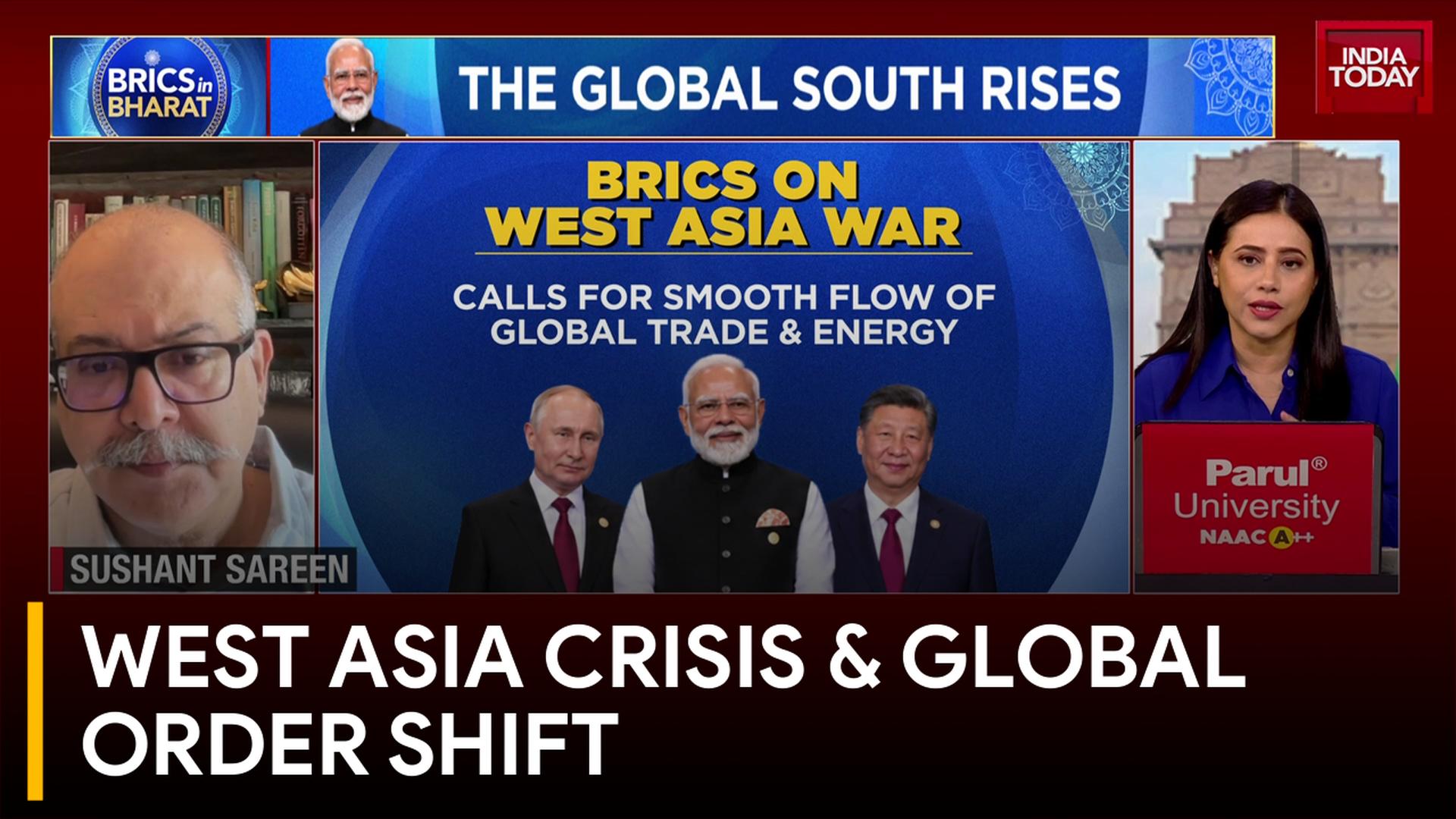
Recent diplomatic engagements between the UAE and Iran highlight the evolving dynamics of West Asia and the growing influence of the BRICS payment mechanism in a changing global landscape.
- High-level diplomatic talks held between UAE Crown Prince and Iranian President.
- President Pezeshkian reaffirmed the strengthening India-Iran ties under PM Modi.
- Strategic focus on regional conflict resolution and new multilateral payment systems.
In a significant move reflecting the shifting sands of Middle Eastern diplomacy, Sheikh Khaled bin Mohamed bin Zayed Al Nahyan, Crown Prince of the UAE, and Iranian President Masoud Pezeshkian engaged in critical discussions. These talks come at a time when West Asia is navigating complex security challenges and a transition toward a multi-polar global order.
During a recent interview, President Pezeshkian highlighted the enduring relationship between India and Iran. He noted that the bilateral ties have seen consistent development under the leadership of Prime Minister Narendra Modi, rooted deeply in shared historical and cultural foundations. This recognition underscores India's strategic importance as a bridge between the Middle East and the global community.
Why This Matters
BozokMedia analysis shows that the intersection of West Asian stability and the rise of the BRICS payment mechanism represents a fundamental shift in global finance. As nations seek to mitigate the risks of unilateral sanctions and dollar dominance, the discussions regarding alternative financial architectures become vital for regional sovereignty and economic resilience.
The ability of regional actors to engage in multilateral dialogue is essential for upholding the UN Charter and ensuring sovereign integrity.
The diplomatic agenda also extended to upcoming deliberations involving GCC member nations and Iran, scheduled to take place in Oman. Strategic experts emphasized the importance of providing platforms for bilateral dialogue to resolve regional conflicts. The focus remains on how partner nations can navigate evolving diplomatic alignments while maintaining their strategic autonomy.
Historical Background
The geopolitical landscape of West Asia has long been influenced by resource competition and great-power rivalry. However, the current era is marked by a move toward regionalism and the inclusion of emerging economies like those in the BRICS bloc. This shift is altering how trade, security, and diplomacy are conducted in one of the world's most volatile yet crucial regions.
Frequently Asked Questions
1. How does the BRICS mechanism affect West Asia?
It offers a potential alternative to traditional Western-led financial systems, allowing regional players more autonomy in international trade.
2. What is the role of Oman in these discussions?
Oman serves as a crucial diplomatic mediator, providing a neutral ground for GCC members and Iran to engage in dialogue.