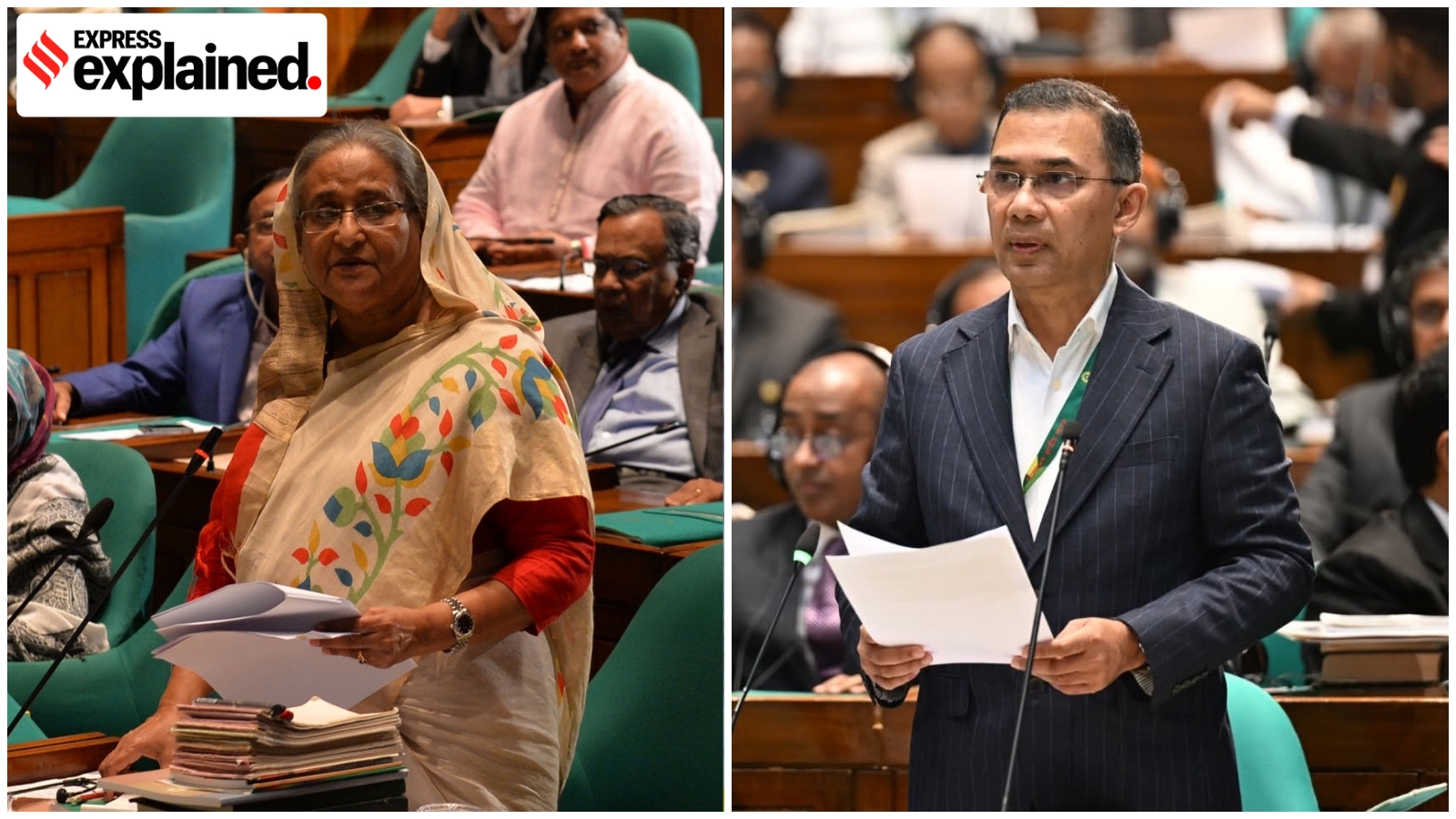
As Sheikh Hasina remains in exile in India, the bilateral relationship between New Delhi and Dhaka faces unprecedented turbulence under the new BNP leadership.
- Sheikh Hasina's presence in India has become a major friction point in bilateral diplomacy.
- The current BNP government is a complex mosaic of business, pro-Pakistan, and Islamist lobbies.
- India maintains a pragmatic stance: dealing with whoever is in power.
- Long-standing issues like water sharing and illegal immigration remain unresolved.
India and Bangladesh are navigating a particularly turbulent phase in their bilateral history. Two years after the collapse of the Sheikh Hasina administration, the relationship is strained by political uncertainty and deep-seated distrust. The recent statements made by Sheikh Hasina from Indian soil have ignited anger in Dhaka, casting a shadow over Prime Minister Tarique Rahman's potential visit to India.
Pinak Ranjan Chakravarty, a former Indian High Commissioner to Bangladesh, provides a profound analysis of this shifting landscape. He notes that the transition from the Mohammad Yunus regime to the current BNP-led government has been fraught with challenges. According to Chakravarty, the Yunus period saw a rise in criminal elements and suffering among minority communities, creating a vacuum that the current leadership is struggling to fill.
Why This Matters
BozokMedia analysis shows that the India-Bangladesh relationship is not merely a matter of diplomatic protocol but a civilizational necessity. With a 4,096 km shared border, the economic, medical, and educational interdependencies are too vast to be ignored. Any prolonged instability in Dhaka poses a direct threat to India's internal security and regional stability.
India cannot be wished away by Bangladesh or replaced by any other country due to our shared civilizational heritage.
The current BNP government under Tarique Rahman is described as a 'mosaic' of competing interests, including business lobbies and pro-Pakistan factions. This internal complexity makes it difficult for the Rahman administration to take a unified stance on India. While some elements within the BNP desire improved relations, the 'anti-India lobby' currently holds significant sway in Dhaka's decision-making processes.
Historical Background
The history of Bangladesh-India ties has been marked by periods of intense cooperation and sudden fractures. From the 1975 assassination of Sheikh Mujibur Rahman to the recent political upheaval, the regional dynamics have constantly shifted. The presence of the Awami League's former leader in India has added a new, highly sensitive layer to this historical complexity.
Frequently Asked Questions
Q1: Why is Sheikh Hasina's presence in India a problem for Dhaka?
A: Many political factions in Bangladesh view her exile in India as a symbol of Indian interference, using it to fuel anti-India sentiment.
Q2: Can the relationship be repaired?
A: Yes, but it requires bilateral effort. India has extended multiple overtures, and the responsibility now lies with the government in Dhaka to initiate a formal reset.
