As tensions between Iran, the US, and Houthi rebels escalate, the world's most vital maritime chokepoints are becoming battlegrounds. This geopolitical shift threatens to disrupt 20% of global energy supplies and send oil prices skyrocketing.
- Tensions in the Arabian Peninsula have pushed oil prices to a record high of $108 per barrel.
- Houthi rebels have seized Yemen's coastline, gaining control over the Bab el-Mandeb strait.
- Iran is actively 'shaping the battlefield' to counter economic sieges and influence US politics.
Patterns of conflict are once again swirling around the Arabian Peninsula. The ceasefire that purportedly halted the Iran-US conflict in April now exists only in name. Analysts warn that the region is on the precipice of a third, far more intense round of warfare that could reshape global energy security forever.
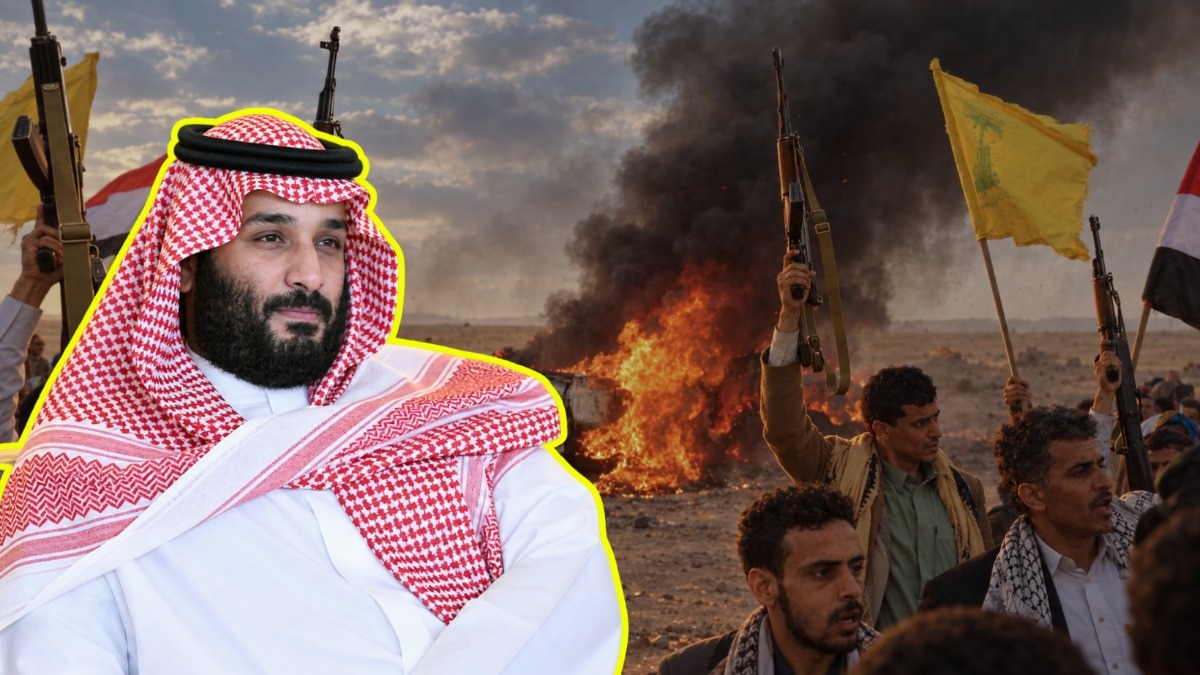
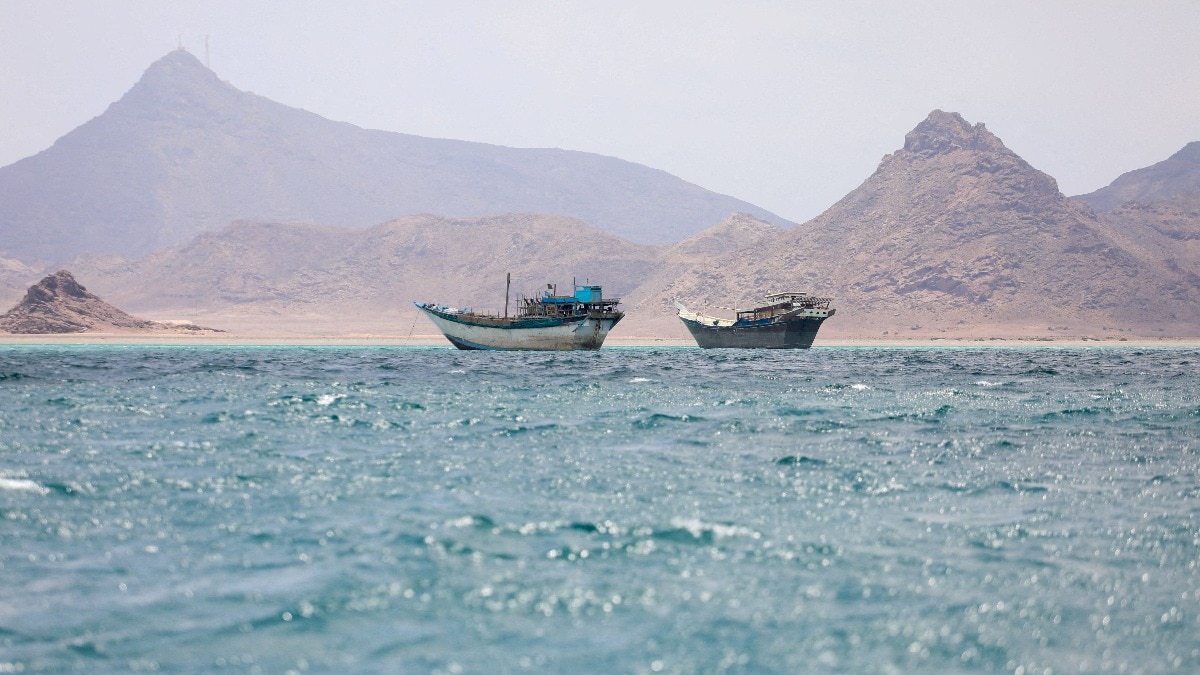
At the Strait of Hormuz, a tit-for-tat battle between the US and Iran continues. While the US military attempts to escort tankers, the IRGC has responded with attacks on US warships and ballistic missile barrages on military bases in Jordan. Simultaneously, the Houthi rebels have achieved a massive strategic breakthrough by capturing Yemen’s sea coast, including the port of Mokha, allowing them to directly target shipping in the narrow Bab el-Mandeb strait.
Why This Matters
BozokMedia analysis shows that the implications of this conflict extend far beyond the Middle East. The Arabian Peninsula accounts for roughly 20% of global energy supplies. Any disruption to the three critical chokepoints—the Strait of Hormuz, the Bab el-Mandeb, and the Suez Canal—could trigger a global economic meltdown.
The current escalation is not just about territory; it is a calculated move to weaponize energy flows against global political stability.
For major economies like India, the stakes are astronomical. Every $1 increase in oil prices results in a foreign exchange outflow of approximately $2 billion. With Saudi Arabia—a key supplier to New Delhi—facing drone strikes on its infrastructure, the threat to energy stability is palpable.
Historical Background
Maritime chokepoints have long been the Achilles' heel of global trade. Historically, control over the Suez Canal and the Hormuz Strait has determined the rise and fall of empires. Today, the integration of drone technology and asymmetric warfare by non-state actors like the Houthis has added a new, unpredictable layer to this centuries-old strategic struggle.
| Chokepoint | Primary Threat | Global Impact |
|---|---|---|
| Strait of Hormuz | Iran-US Military Confrontation | Spike in global crude oil prices |
| Bab el-Mandeb | Houthi Drone/Missile Strikes | Disruption of Red Sea trade routes |
| Suez Canal | Regional Instability | Delays in Asia-Europe shipping |
Frequently Asked Questions
1. How does the Houthi control of Yemen affect global trade?
It allows them to block or target ships passing through the Bab el-Mandeb, a vital link between the Indian Ocean and the Red Sea.
2. Why are oil prices rising so rapidly?
The market is pricing in the high risk of supply disruptions due to active military engagement in key shipping lanes.