After years of freeze following the 2020 border clash, India and China are entering a new phase of high-stakes negotiation. From border stability to trade imbalances, both giants are playing a sophisticated game of leverage.
- High-level visits by PM Modi and President Xi signal a diplomatic thaw.
- Both nations are seeking to 'risk-proof' relations against potential US policy shifts (Trump 2.0).
- India demands border peace and trade parity, while China pushes for economic concessions and the 'One-China' policy.
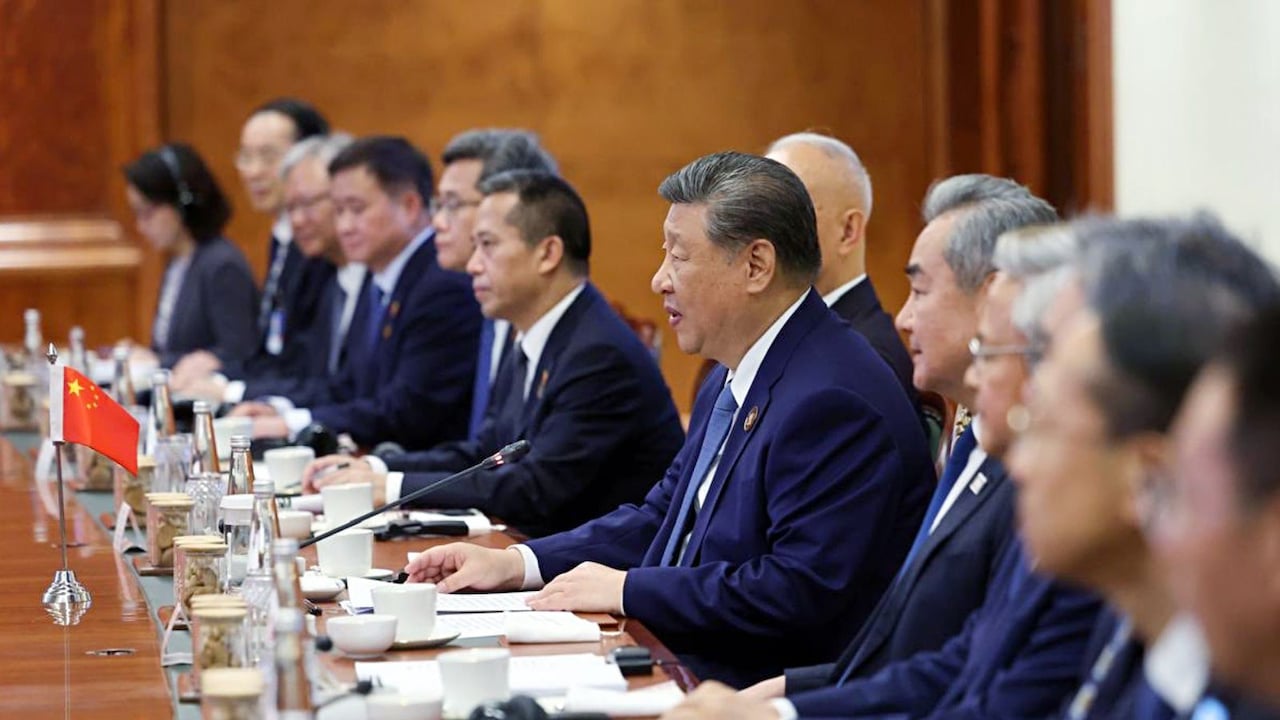
Following nearly five years of diplomatic and military freeze post-2020, relations between India and China appear to be turning a corner. The recent visits of Prime Minister Narendra Modi to China for the SCO summit and President Xi Jinping to India for the BRICS summit mark a significant shift in Asian geopolitics. This sudden rapprochement comes at a time when global political landscapes are shifting rapidly.
A Strategic Window of Opportunity
BozokMedia analysis shows that the current warming of ties is driven by a shared desire to navigate the uncertainty of 'Trump 2.0' policies in Washington. Both New Delhi and Beijing recognize a rare window to strike a bargain that could insulate their bilateral ties from subsequent political changes in the United States. This complex negotiation spans everything from border management to deep-seated economic interdependence.
The Tug-of-War: Demands and Leverage
India has presented a clear three-pronged agenda: peace and tranquility in border areas, fair market access to correct trade imbalances, and supply chain predictability. Conversely, Beijing is exerting pressure on India to reiterate its commitment to the 'one-China' policy, particularly regarding Tibet and Taiwan, while seeking greater economic concessions.
The current engagement is less about genuine friendship and more about a calculated strategic hedge against global volatility.
China's primary leverage lies in its manufacturing dominance. Beijing argues that India's attempt at 'de-coupling' has failed, citing projected bilateral trade reaching a historic USD 155.6 billion. India, however, holds its own leverage: China’s slowing domestic economy makes the massive Indian market an absolute necessity for Beijing's continued export-led growth.
Sovereignty and the Border Stalemate
While there has been progress in moving from active military tension to the creation of 'buffer zones,' fundamental disagreements remain. India has remained steadfast on its sovereignty, notably through the renaming of locations in Arunachal Pradesh and objections to Chinese projects in Jammu & Kashmir. While China has shown signs of goodwill—such as resuming the Kailash Mansarovar pilgrimage—the core territorial disputes remain unresolved.
| Issue | India's Stance | China's Stance |
|---|---|---|
| Border Management | Demands complete disengagement and sovereignty recognition. | Focuses on 'buffer zones' and normalized governance. |
| Trade Balance | Seeks fair market access and reduced deficit. | Emphasizes manufacturing integration and trade volume. |
| Geopolitics | Asserts independence on Taiwan/Tibet. | Demands adherence to 'One-China' policy. |
Frequently Asked Questions
1. Why are India and China talking again now?
Both nations are attempting to stabilize their relationship to mitigate risks from shifting US political policies.
2. Has the border situation improved?
There has been a shift from active military confrontation to managed disengagement and buffer zones, though long-term resolution is pending.