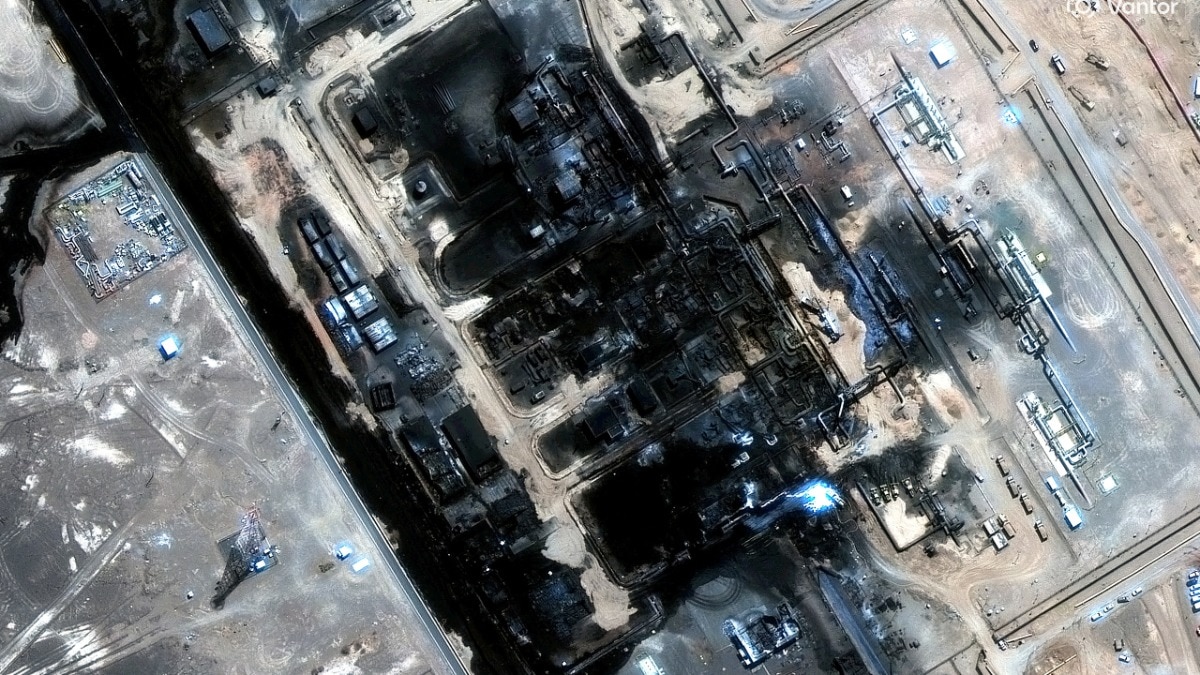
A drone attack on Saudi Arabia's critical East-West Pipeline threatens to disrupt 4% of the global oil supply for several weeks. The outage comes amid rising Houthi influence in the Red Sea.
- Drone attack on Saudi Arabia's East-West Pipeline; repairs estimated at 3-5 weeks.
- Potential disruption of up to 4% of the world's total oil supply.
- Houthi advances in the Red Sea create a second maritime chokepoint crisis.
- Brent crude prices surged to $109 following the disruption.
RIYADH, Saudi Arabia: The global energy landscape is facing a massive shock as a critical piece of Saudi Arabian infrastructure has been targeted in a drone strike. The East-West Pipeline, a vital artery for the Kingdom's crude exports, faces a prolonged outage that could jeopardize as much as 4% of the total global oil supply.
The 1,200-kilometer pipeline, which transports oil from the Gulf coast to the Red Sea port of Yanbu, was taken offline following an attack that Riyadh has attributed to Iranian-backed militias. According to regional officials, the damage to a major pumping facility is significant, with repair timelines estimated between three to five weeks. This creates a critical window of vulnerability, as Yanbu only holds enough reserves to sustain exports for approximately five to seven days.
Why This Matters
BozokMedia analysis shows that this incident is not an isolated energy disruption but part of a cascading geopolitical crisis. The simultaneous threat of a crippled pipeline and the Houthi rebels' strategic advances near the Bab el-Mandeb Strait creates a pincer movement on Saudi energy exports. This convergence of risks is forcing the market to price in a massive supply deficit.
The simultaneous disruption of the East-West Pipeline and the tightening of Red Sea maritime routes represents a systemic threat to global energy security.
Market volatility has been immediate. Rystad Energy reports that the pipeline typically moves between 2.6 million and 4 million barrels of crude per day. Following the news, Brent crude prices spiked to $109 per barrel, signaling that traders are bracing for a prolonged period of scarcity.
Historical Background
Historically, Saudi Arabia has utilized the East-West Pipeline as a strategic bypass to avoid the Strait of Hormuz, a narrow waterway through which much of the world's oil flows but which remains a flashpoint for conflict between Iran and Western-aligned states. With the Strait of Hormuz already seeing dramatically reduced traffic due to US-Iran tensions, the failure of this secondary route leaves the Kingdom with extremely limited export options.
Frequently Asked Questions
1. How long will the pipeline be out of service?
While some partial operations may continue, full restoration of the damaged pumping facilities is expected to take 3 to 5 weeks.
2. Why are oil prices rising so fast?
Prices are rising because the market is reacting to the sudden loss of millions of barrels of daily supply and the increased risk of further maritime disruptions.