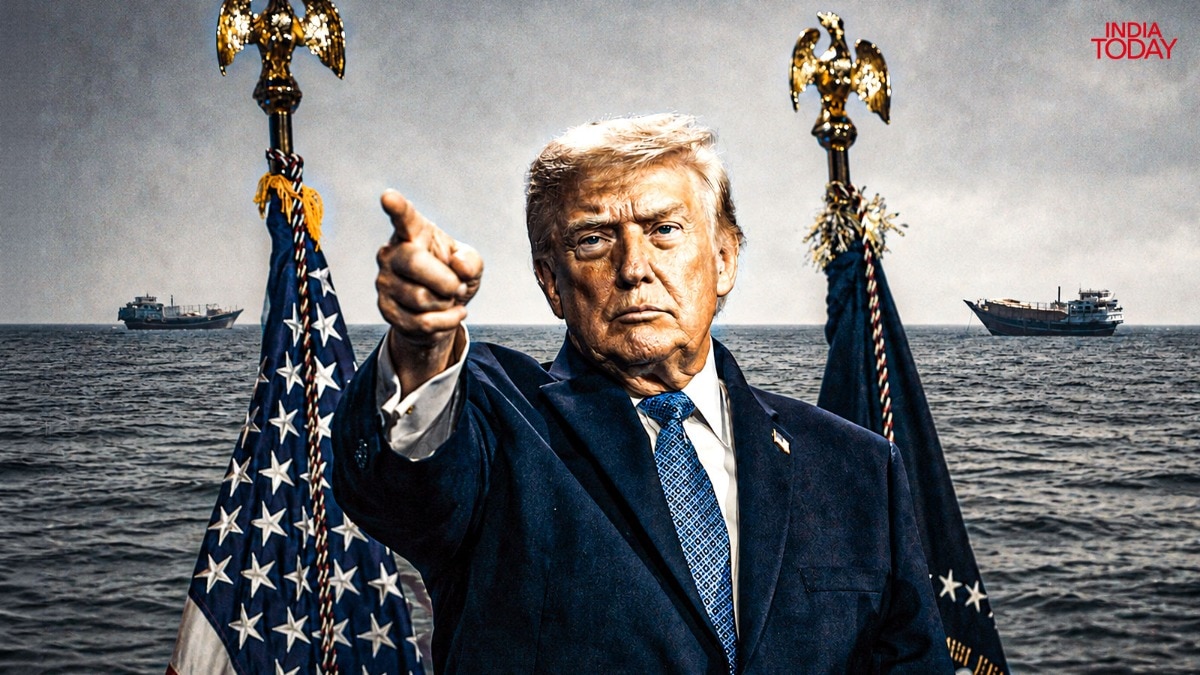
U.S. President Donald Trump announced that nations benefiting from the security of the Strait of Hormuz should reimburse the United States for the costs incurred. He also hinted at a possible diplomatic opening with Iran amid rising regional tensions.
- Trump demands reimbursement for Hormuz security costs.
- Iran seeks a rapid diplomatic settlement.
- The statement raises new questions about global energy security.
Trump’s Bold Claim and Its Implications
U.S. President Donald Trump used his Truth Social platform to argue that countries enjoying the safety of the Strait of Hormuz should pay back the United States for the protection expenses. He emphasized that oil continues to flow through the waterway despite the escalating conflict with Iran.
Details from Trump’s Truth Social Posts
In a series of posts on Monday, Trump stated, "The countries of the world, which have been no help to us whatsoever, should, and will, reimburse the United States when this SCAM confligration is over." He positioned the U.S. as a global guarantor of energy supplies, not merely a self‑interested actor.
Strategic Importance of the Strait of Hormuz
The Strait of Hormuz is a chokepoint through which roughly 21 million barrels of oil pass daily, representing about 20% of global oil supply. U.S. naval forces have maintained a continuous presence there since the 1990s to ensure the free flow of energy resources.
Historical Background
Historically, the strait has been a flashpoint during the Iran‑Iraq War, the 1991 Gulf War, and various Iran‑U.S. confrontations. The United States has repeatedly deployed carrier strike groups to deter threats and keep the waterway open for commerce.
U.S. Costs and the Call for Shared Funding
Washington estimates that billions of dollars have been spent on patrols, surveillance, and rapid‑response capabilities in the Hormuz corridor. While a few allied nations have contributed modestly, Trump’s demand signals a push for broader financial participation.
Iran’s Diplomatic Overtures
Alongside his warning, Trump claimed that "the failing nation of Iran wants to make a deal, quickly and badly." He left the decision to engage with Tehran entirely in his hands, suggesting a potential diplomatic opening even as hostilities continue.
Why This Matters
BozokMedia analysis shows that Trump’s demand could reshape global energy markets by introducing a new cost‑sharing model for security, potentially pressuring oil‑importing nations to reassess their fiscal commitments to U.S. naval operations.
"Linking Hormuz security directly to reimbursement could set a precedent that redefines how strategic maritime protection is funded," said international security expert Dr. Emily Chen.
Frequently Asked Questions
Question 1: Have any countries previously reimbursed the U.S. for Hormuz security?
Answer: A few allies have provided limited financial support, but a comprehensive reimbursement framework has never been established.
Question 2: What are the chances of a diplomatic deal with Iran?
Answer: Trump’s statement leaves the decision to his discretion, keeping the prospect uncertain amid ongoing regional tensions.