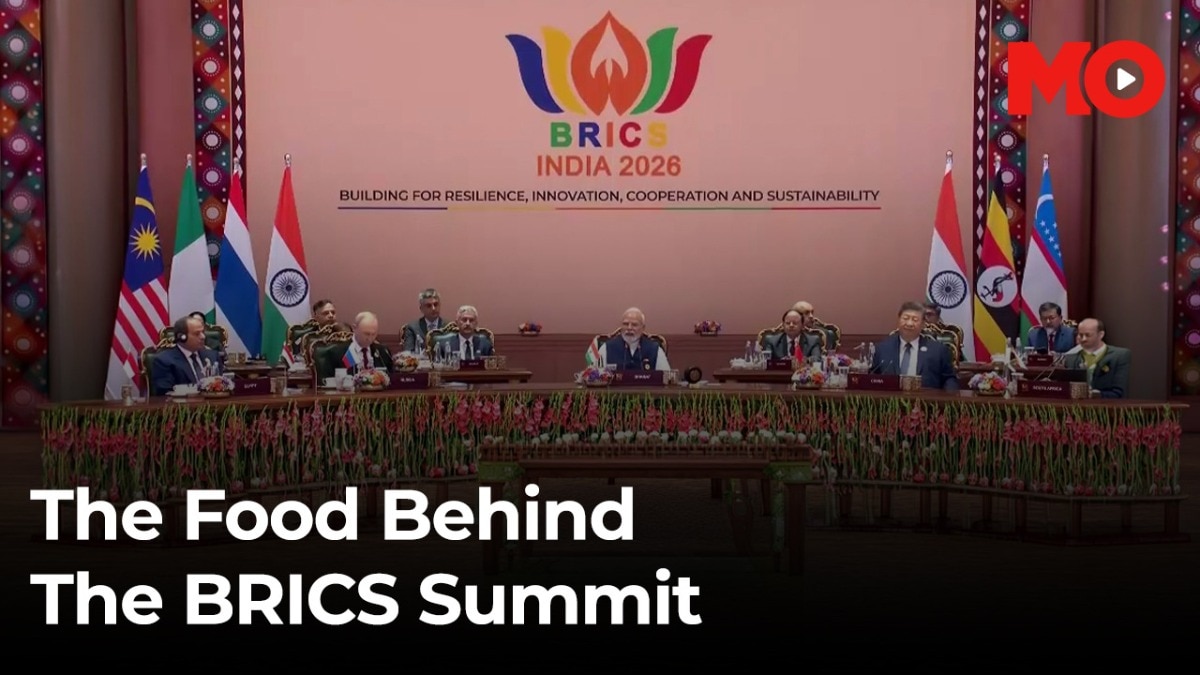
What was supposed to be a standard diplomatic banquet at the BRICS summit turned into a high-stakes political confrontation over menu choices and cultural sensitivities.
- Menu selections at the BRICS summit triggered unexpected diplomatic tension.
- Cultural and religious nuances have become pivotal in high-level international summits.
- Food is increasingly being used as a tool for soft power and political messaging.
The BRICS summit, a platform designed to foster cooperation among the world's emerging economies, recently faced an unconventional challenge. Instead of focusing solely on trade agreements and geopolitical shifts, the spotlight shifted toward the dinner menu, turning a routine banquet into a complex political battleground.
The controversy emerged when the selection of dishes served to delegates sparked debates regarding cultural respect and religious sensitivities. In the world of high-stakes diplomacy, every detail matters, and the culinary choices made by the host nation can carry heavy symbolic weight, often reflecting political alignments or subtle slights.
Why This Matters
BozokMedia analysis shows that 'Gastro-diplomacy' is no longer a peripheral concern but a central element of modern international relations. For a diverse bloc like BRICS, which includes nations with vastly different religious and cultural dietary laws, the menu is a minefield of potential diplomatic incidents. A single oversight can be interpreted as a lack of respect for a member nation's sovereignty or heritage.
Food has evolved from a mere gesture of hospitality into a sophisticated instrument of soft power on the global stage.
Historically, state banquets have been used to bridge gaps between adversaries. However, in an era of heightened geopolitical friction, the dinner table can just as easily become a site of friction. The BRICS menu dispute highlights the fragility of the alliance's internal cohesion, suggesting that even minor cultural missteps can exacerbate existing tensions among member states.
This incident serves as a cautionary tale for organizers of multilateral summits. As nations strive to project influence, the intersection of culture and politics becomes increasingly pronounced. The ability to navigate these nuances is now considered a core competency of modern diplomatic corps.
Frequently Asked Questions
Question 1: Why did the BRICS dinner menu cause a controversy?
Answer: The controversy arose due to the failure to align the menu with the diverse cultural and religious dietary requirements of the member nations.
Question 2: Can food influence international relations?
Answer: Yes, food is a powerful cultural symbol, and its use in diplomacy can either foster unity or signal disrespect.