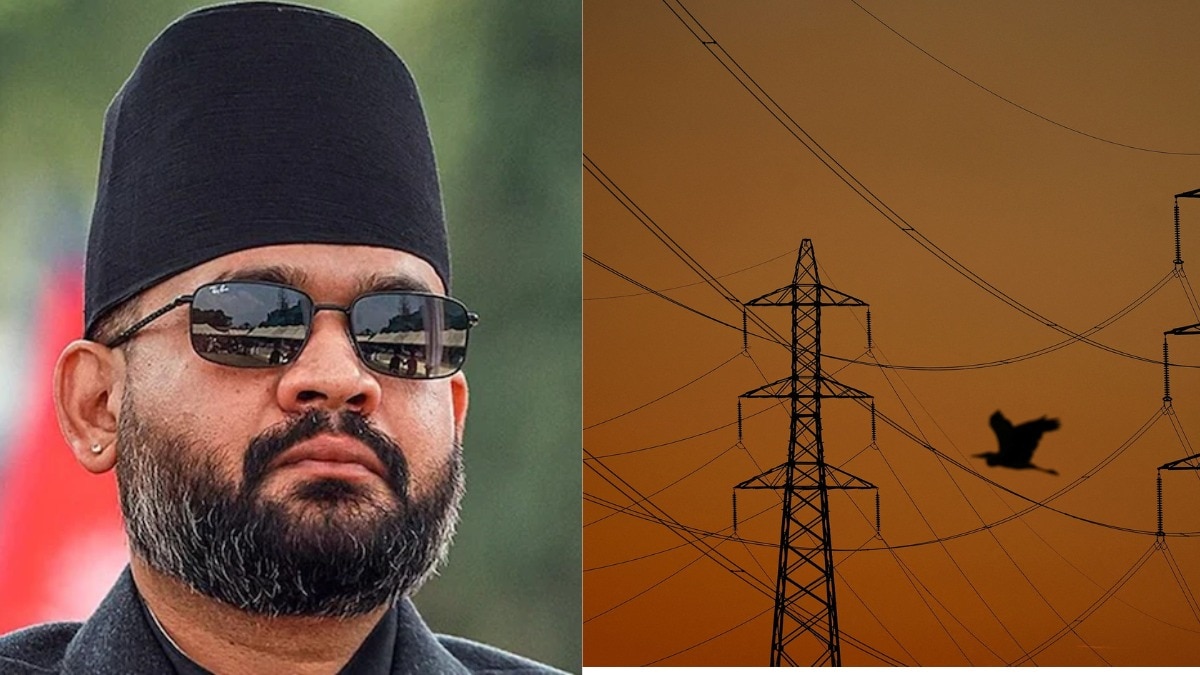
Following devastating floods in Nepal that crippled hydroelectric production, India has stepped in to provide critical energy support. The Ministry of Power has authorized 18 hours of daily electricity exports to Nepal through December 31, 2026.
- Nepal's hydroelectric infrastructure suffered massive damage due to recent floods.
- India will export electricity to Nepal for 18 hours daily.
- The supply will utilize the Muzaffarpur-Dhalkebar and Tankpur-Mahendranagar lines.
- The current arrangement is valid until December 31, 2026.
In a significant move to assist its neighbor, India has approved a special arrangement to supply electricity to Nepal to mitigate the energy crisis caused by recent catastrophic floods. The floods have severely impacted Nepal's hydroelectric power generation capacity, leaving the nation struggling to meet domestic demand.
According to the Ministry of Power, this emergency supply arrangement will be effective from September 13 and will continue until December 31, 2026. Under this mandate, electricity will be exported for 18 hours every day, specifically during the window from midnight to 6:00 PM.
Technical Breakdown of Power Transmission
To ensure a steady flow of energy, India will utilize two primary transmission corridors to deliver up to 654 MW of power:
| Transmission Line | Max Capacity (MW) |
|---|---|
| Muzaffarpur-Dhalkebar (400 KV D/C) | 600 MW |
| Tankpur-Mahendranagar (132 KV S/C) | 54 MW |
Why This Matters
BozokMedia analysis shows that this decision transcends mere commercial transactions; it is a strategic move to ensure regional energy stability. As Nepal's domestic production falters due to climate-induced disasters, India's intervention prevents a total economic standstill in the neighboring country, reinforcing the energy interdependence between the two nations.
This energy corridor acts as a vital lifeline for Nepal's recovery in the wake of environmental devastation.
Historical Background
The energy partnership between India and Nepal has evolved significantly over the decades. While Nepal possesses immense hydroelectric potential, India provides the necessary grid connectivity and market access. This recent move follows a pattern of increasing cross-border electricity trade, aiming to transform Nepal into a major regional energy exporter in the long run.
Frequently Asked Questions
1. How much total power can be sent to Nepal?
The combined capacity of the two designated lines allows for a total export of up to 654 MW.
2. When will the next review take place?
The Ministry of Power will review the arrangement in December 2026 to decide the export volumes for January 2027.