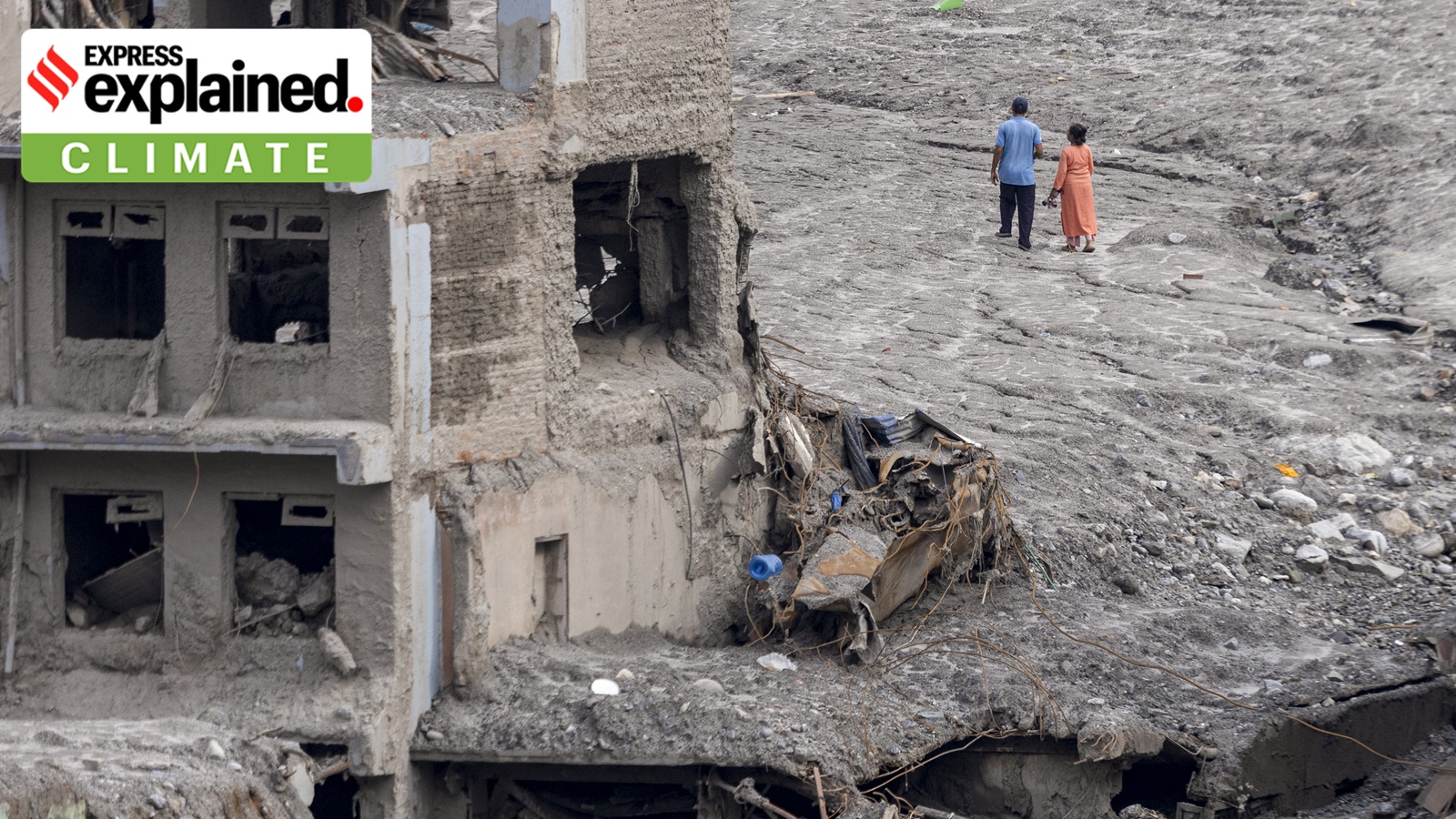
Nepal's $20 million claim for climate compensation has highlighted the crippling inefficiencies and funding gaps within the UN's Loss and Damage Fund.
- Nepal has requested $20 million in climate compensation following devastating floods.
- The UN's Loss and Damage Fund (FRLD) has disbursed $0 to any nation as of August 2026.
- The fund faces a massive gap between the $2.8 billion demanded and available voluntary pledges.
- Procedural complexities are delaying urgent emergency relief to vulnerable nations.
The government of Nepal has formally approached the United Nations’ Fund for Responding to Loss and Damage (FRLD) for $20 million (approximately Rs 191 crore). Crucially, Nepal is not seeking charity; it is demanding climate compensation for the catastrophic floods and mudslides triggered by glacial collapse—a disaster the nation did not cause but is forced to endure.
Established during the COP27 summit in Egypt in 2022, the FRLD was intended to be a lifeline for vulnerable nations. However, three years into its existence, the fund remains in a state of paralysis, having not released a single cent to any nation in need. This delay highlights a growing rift between climate rhetoric and financial reality.
A Massive Gap in Climate Finance
While developed nations are the primary historical emitters, contributions to the FRLD are entirely voluntary. Although countries like the UAE and Germany have made significant pledges, the total amount of money available is dwarfed by the scale of global need. As of late 2025, countries had submitted requests totaling $2.8 billion, leaving the fund looking like an "overstretched shoestring."
Political shifts have further complicated the landscape. Under the administration of Donald Trump, the United States—a major global power—has effectively withdrawn its commitment to the fund, labeling climate change a "hoax." This withdrawal has left a massive hole in the global climate finance architecture.
Why This Matters
BozokMedia analysis shows that the current mechanism of the FRLD is fundamentally misaligned with the nature of climate disasters. Instead of acting as a rapid-response emergency fund, it operates under the heavy bureaucracy of a conventional development fund.
Climate finance specialist Jawad Khalid notes that the machinery is flawed because it requires lengthy technical reviews when countries need immediate emergency intervention.
The 11-step procedure required to access funds—including completeness checks, reviews, and board approvals—means that by the time money reaches a disaster zone like Nuwakot, Nepal, the economic and human damage may already be irreversible.
Frequently Asked Questions
1. Why is Nepal asking for compensation instead of aid?
Nepal argues that the climate-induced disasters are a direct result of global emissions from developed nations, making it a matter of justice rather than charity.
2. Why hasn't the fund released any money yet?
A combination of voluntary contribution models, slow bureaucratic processes, and political withdrawals has stalled disbursements.