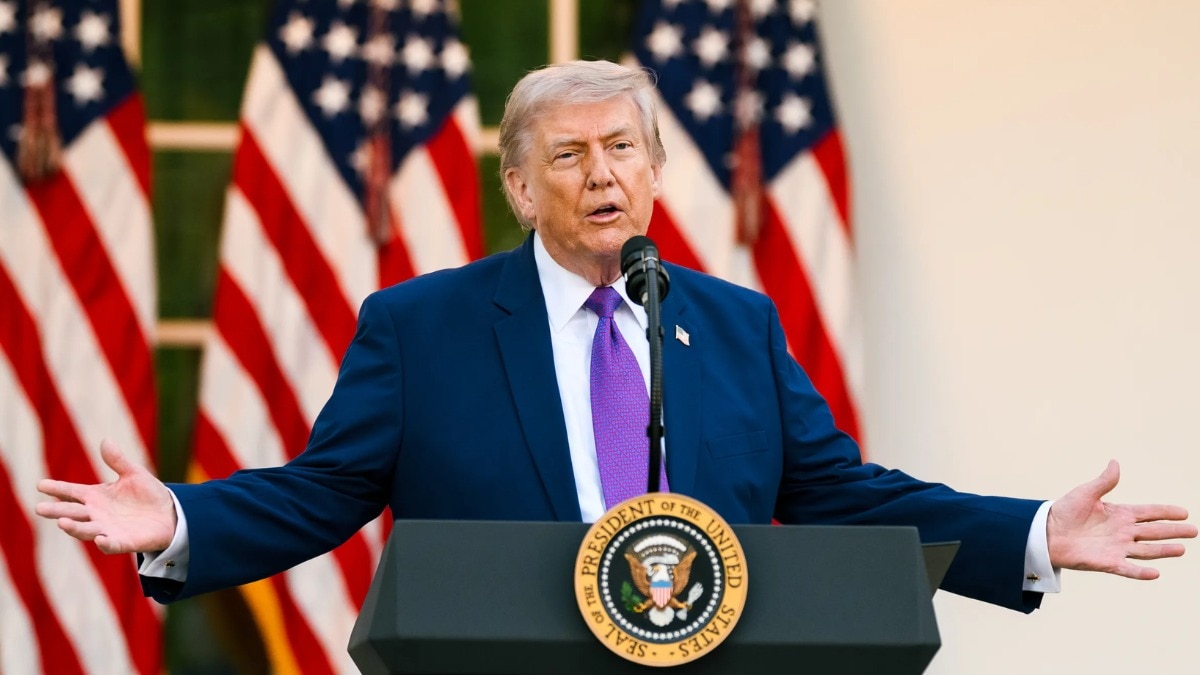
Donald Trump has signaled a aggressive strategy against Iran, potentially mirroring the Venezuela model. With rising tensions in the Strait of Hormuz, the geopolitical landscape is bracing for a long-term conflict.
- Trump signals use of the 'Venezuela Model' against Iran.
- Escalating attacks in the Strait of Hormuz threaten global oil supplies.
- Potential for a prolonged US-Iran conflict lasting until 2029.
Following the recent shifts in BRICS dynamics, Donald Trump has signaled a formidable shift in US foreign policy regarding Iran. Trump's rhetoric suggests a move toward extreme economic pressure, potentially employing the same tactics used against Venezuela to cripple the Iranian regime's ability to function. This approach seeks to leverage maximum economic isolation to achieve political concessions.
The Strategic Battle for Oil and Hormuz
The core of this confrontation lies in the control of global energy corridors. The Strait of Hormuz has become a flashpoint of volatility, with recent reports of attacks on Iranian cargo ships and explosions in oil tankers. Such disruptions in this critical maritime artery pose a direct threat to global energy security and could trigger massive spikes in crude oil prices.
Why This Matters
BozokMedia analysis shows that Trump's strategy is not merely a bilateral issue with Iran but a broader move to counter the rising influence of China and the BRICS bloc. By tightening the noose around Iran, the US aims to secure its dominance over global energy markets and disrupt the economic expansion of its strategic rivals.
The intersection of economic sanctions and maritime warfare in the Strait of Hormuz could redefine modern geopolitical brinkmanship.
Geopolitical analysts warn that if the current trajectory continues, the friction between the United States and Iran could persist well into 2029. This suggests a transition from short-term skirmishes to a long-term era of sustained economic and maritime tension.
Historical Background
The animosity between Washington and Tehran is deeply rooted in the 1979 Islamic Revolution. Over the decades, the relationship has fluctuated between intense sanctions, proxy wars, and failed diplomatic attempts, most notably the collapse of the JCPOA nuclear deal.
Frequently Asked Questions
Question 1: What is the 'Venezuela Model' mentioned?
Answer: It refers to the use of crushing economic sanctions to destabilize a government and force political change.
Question 2: Why is the Strait of Hormuz so important?
Answer: It is the world's most vital oil transit chokepoint, connecting the Persian Gulf to the open ocean.