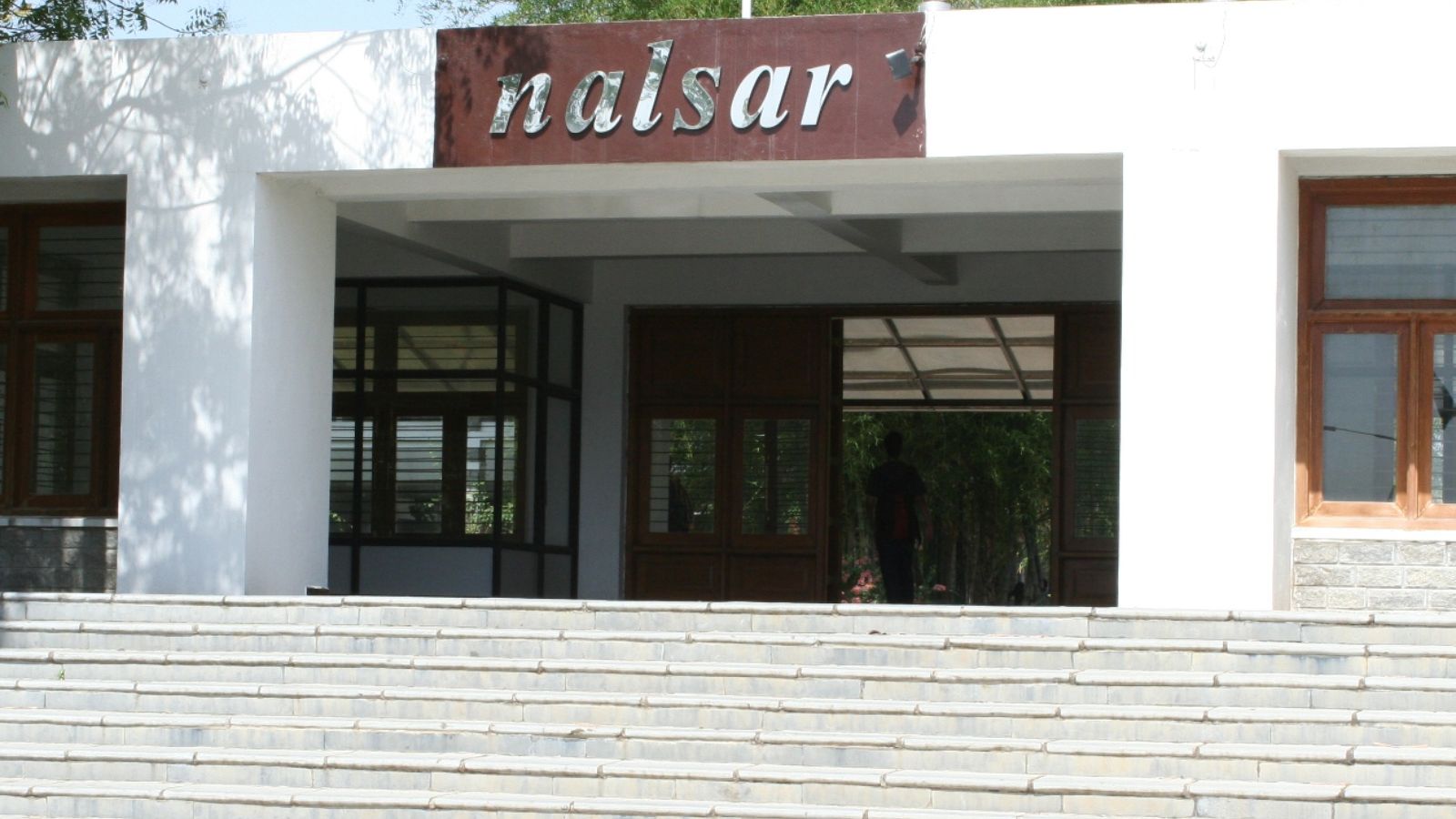
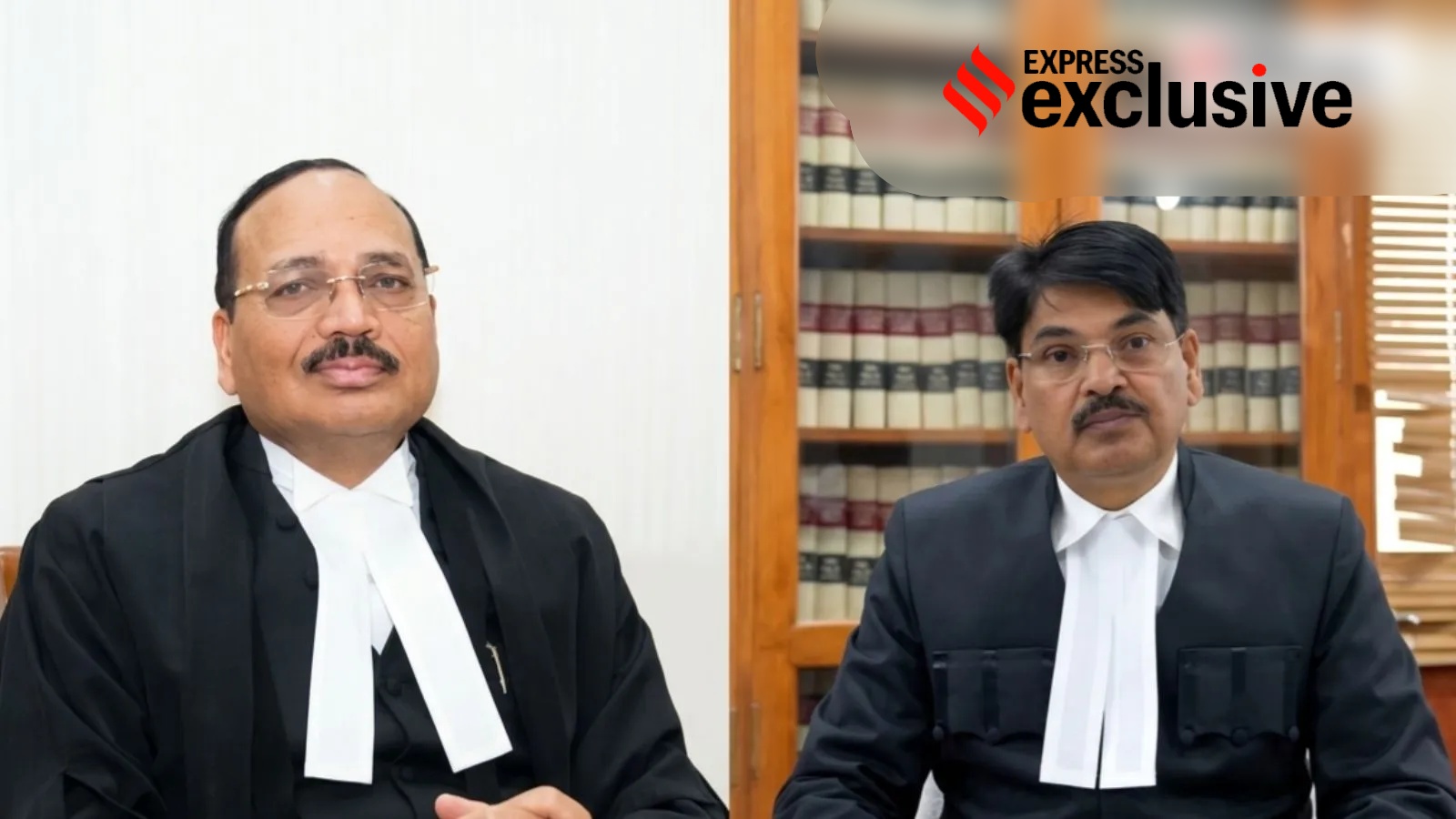
The Student Bar Council of NALSAR University of Law has condemned the Bar Council of India's blanket ban on the 2026 graduating batch, arguing that Section 49 of the Advocates Act does not empower such a restriction. The council demanded an apology from BCI Chairman M.K. Mishra for his remarks against the NALSAR community.
Key Takeaways
- BCI imposed a blanket enrollment ban on the 2026 batch
- NALSAR Student Bar argues Section 49 of the Advocates Act cannot support such a restriction
- Constitutional rights to free speech and dissent were highlighted
The Student Bar Council (SBC) of NALSAR University of Law sharply condemned the actions taken on Thursday, August 13, 2026, after Bar Council of India (BCI) Chairman and MP Manan Kumar Mishra issued an across‑the‑board restriction preventing the outgoing 2026 batch from enrolling with any State Bar Council.
In a statement released just after midnight on Friday, August 14, the SBC denounced the move on statutory, constitutional, foundational and broader social grounds. It contended that the BCI’s reliance on various sections of the Advocates Act, particularly Section 49, was misplaced because that provision is merely a rule‑making clause and cannot create new disabilities or conditions for enrollment beyond Parliament’s enactments.
The council also pointed out that the BCI’s citation of the 2002 Supreme Court judgment in *Ex‑Capt. Harish Uppal v. Union of India*—which dealt with lawyers’ right to strike—was irrelevant to the issue of batch‑wide enrollment restrictions.
Privacy concerns were raised over the proposed identification of students, faculty, alumni, research scholars, and external participants. Invoking Article 19(1)(a) and Supreme Court observations that recognise dissent and peaceful protest, the SBC rejected any notion that constitutional fidelity requires silence, affirming that universities must safeguard independent thought and criticism of authority.
Why This Matters
BozokMedia analysis shows that this episode spotlights the tension between academic autonomy and governmental oversight in India’s legal education system, setting a precedent for future student‑led challenges.
"Such a sweeping move by the Bar Council not only curtails the rights of budding lawyers but also undermines the democratic fabric of our legal profession," says Prof. Anita Sharma, senior legal scholar.
Frequently Asked Questions
Q1: Has the BCI lifted the enrollment ban?
A: The BCI withdrew the freeze within hours, but the Student Bar Council continues to demand a formal apology from Mr. Mishra.
Q2: What impact could this dispute have on legal education in India?
A: Experts believe it could redefine the balance between university independence and regulatory oversight, influencing future policy decisions.