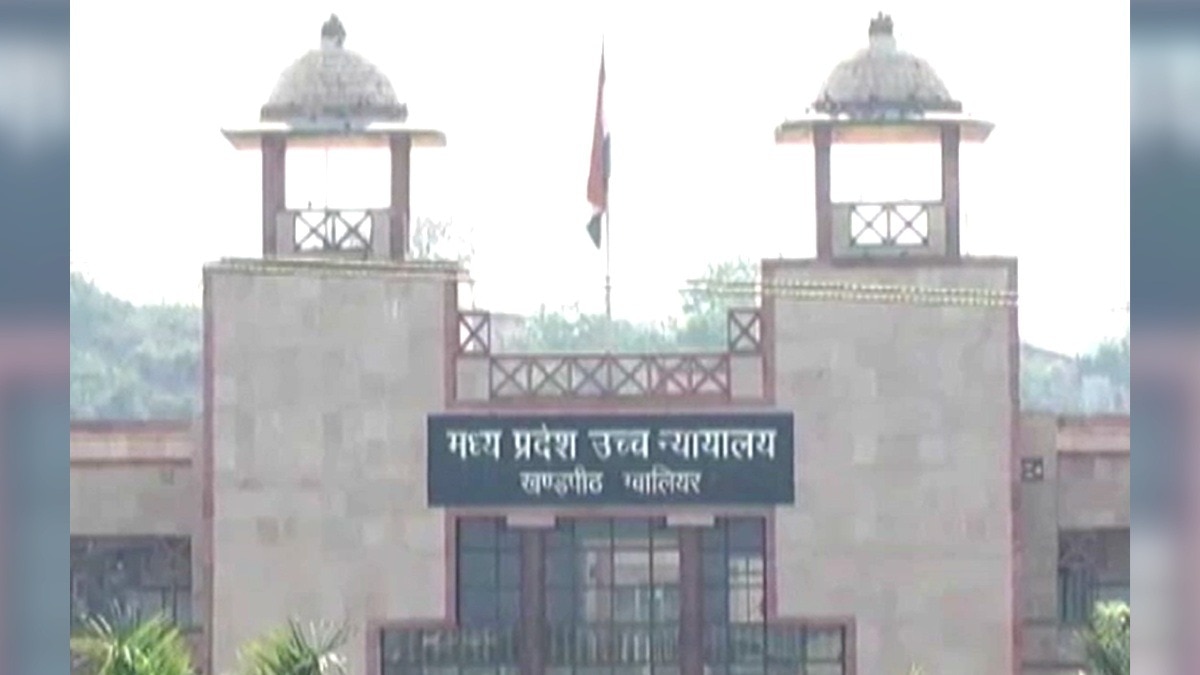
In a landmark judgment, the Allahabad High Court has ruled that a person cannot be prosecuted under the Immoral Traffic (Prevention) Act simply for visiting a brothel as a customer. The court emphasized that the law targets traffickers and operators, not clients.
- Allahabad High Court ruled that being a customer is not punishable under the ITP Act.
- The law's primary focus remains on the management and exploitation within brothels.
- The judgment distinguishes between the facilitators of crime and individual participants.
The Allahabad High Court has delivered a significant verdict that clarifies the scope of the Immoral Traffic (Prevention) Act (ITP Act). The court ruled that an individual cannot be prosecuted under this specific law merely for visiting a brothel in the capacity of a customer. This decision aims to prevent the overreach of law enforcement agencies in matters of personal conduct.
During the proceedings, the court observed that the legislative intent behind the ITP Act is to curb the organized trade of sex and to penalize those who manage, run, or facilitate such establishments. The court maintained that the law is designed to strike at the root of the issue—the exploitation and the infrastructure of immoral trafficking—rather than targeting the end-users.
Why This Matters
BozokMedia analysis shows that this ruling establishes a crucial boundary between criminal exploitation and individual privacy. By narrowing the scope of the ITP Act, the court ensures that law enforcement resources are directed toward dismantling trafficking syndicates rather than pursuing individual clients, which could lead to unnecessary legal congestion and potential human rights concerns.
The essence of the law lies in dismantling the machinery of exploitation, not in penalizing individual choices.
Historically, the interpretation of the Immoral Traffic (Prevention Act, 1956 has been a subject of intense legal debate. While the act seeks to protect vulnerable individuals from exploitation, there has often been confusion regarding where the criminal liability of a client begins. The High Court has now provided much-needed clarity on this distinction.
Legal experts suggest that this ruling will prevent the misuse of power by authorities who often target clients to bolster crime statistics. The focus must remain on the 'kingpins' and the organized elements that drive the industry, as per the original intent of the Parliament.
Frequently Asked Questions
Question 1: Does this mean brothels are now legal?
Answer: No, the operation of brothels and the organized management of sex work remain criminal offenses under Indian law.
Question 2: What is the main takeaway for law enforcement?
Answer: Police should focus on the operators and traffickers rather than prosecuting individuals who visit these establishments as customers.