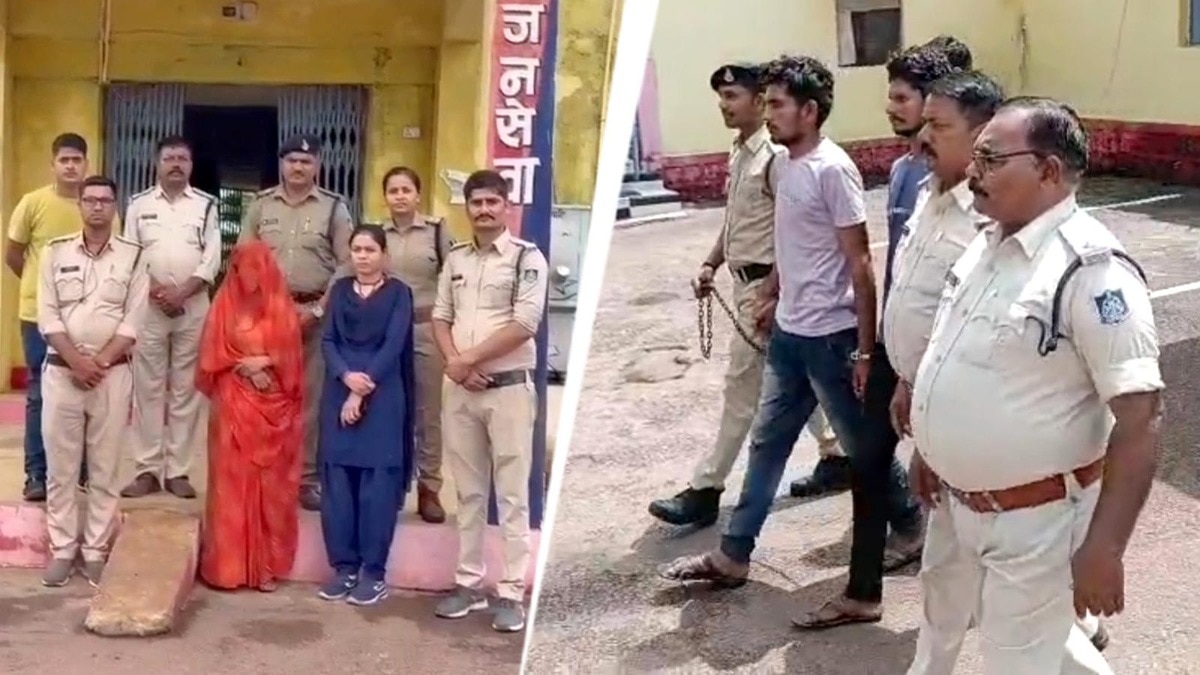
In Chhatarpur, Madhya Pradesh, the body of Sanjay Mishra was recovered after he went missing, and police uncovered a murder conspiracy through over 200 phone calls between his wife and a lover. Three suspects are now in custody while the investigation continues.
On July 1, 2026, Sanjay Mishra, a resident of Narayanpura village in Panna district, vanished without a trace. After extensive searches by family members yielded no clues, the Kishanganj police filed a missing‑person report and launched a regional sweep. Their efforts led to the discovery of Mishra’s body deep in a forest near a half‑built bridge on Amanganj Road, alongside his abandoned motorcycle, suggesting foul play.
Phone‑Call Data Turns the Tide
Initial assumptions leaned toward an accidental death or natural causes. However, forensic analysis of mobile records – specifically the Call Detail Records (CDR) – shifted the investigation’s focus. Over 200 calls were logged between Mishra’s wife, Anita Mishra, and a local man named Vinod Yadav from Nagda village. Such a volume far exceeds ordinary spousal communication, prompting detectives to probe deeper.
Unraveling the Conspiracy
Interrogations revealed an alleged romantic liaison between Anita and Vinod. Investigators concluded that Sanjay, as a husband, was perceived as an obstacle to this affair. The murder plan allegedly involved sending Sanjay to his in‑laws’ wedding ceremony, after which he was taken to the forest, shot, and his corpse dumped near the bridge to simulate a disappearance.
Three Arrests and Seized Evidence
The probe also identified a third accomplice, Satysh Yadav. All three – Anita Mishra, Vinod Yadav, and Satysh Yadav – were arrested, placed in judicial custody, and presented before a magistrate. Police recovered the murder weapon, the motorcycle, mobile devices, and other critical forensic material, strengthening the prosecution’s case.
Implications and Societal Reflection
This case underscores the growing importance of digital forensics in solving violent crimes. Call‑detail logs, GPS traces, and forensic science provided a clear timeline that traditional methods alone might have missed. Socially, it highlights the darker side of marital breakdowns, domestic betrayal, and the potential for personal grievances to culminate in lethal outcomes.
Authorities have affirmed that the investigation remains active, with a commitment to uncover any further evidence. The resolution of this case will test both the efficiency of the criminal justice system and the public’s awareness of intimate‑partner violence.


