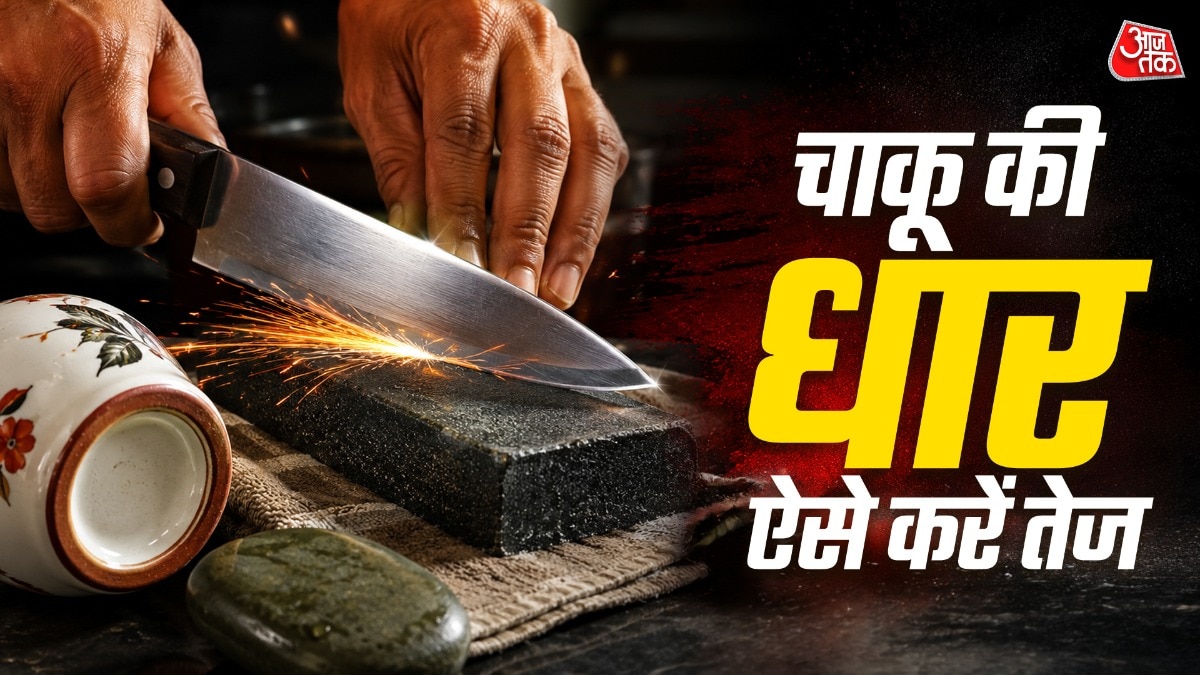
Tired of struggling with a blunt kitchen knife? Discover five easy household tricks that restore a bullet‑like edge without buying a new blade. This guide blends traditional methods with modern convenience for fast, cost‑effective results.
Every home cook knows the frustration of a knife that no longer slices through vegetables with ease. A dull blade doubles the effort, wastes time, and can even become a safety hazard. While many reach for a replacement or a professional sharpening service, the solution often lies right inside the kitchen cupboards.
Historical Roots and Modern Relevance
Sharpening dates back to the stone age when early humans used river rocks to hone their tools. Today, the same principle—abrasive friction—remains the core of every sharpening technique, whether you use a high‑tech ceramic stone or a humble kitchen ceramic cup.
1. Ceramic Cup or Bowl Method
Turn an unglazed ceramic cup upside down and place it on a flat surface. Hold the knife blade at a 20‑degree angle and draw it across the rough, unpolished rim ten to twelve times on each side. The micro‑grits on the ceramic instantly re‑creates a razor‑sharp edge.
2. Sandpaper (Regmal) Trick
Grab a medium‑grit sandpaper sheet (400‑800 grit) and fix it on a sturdy board. Rub the blade gently back and forth on both edges. This not only removes the blunt portion but also wipes away any surface rust, leaving the steel looking brand‑new.
3. Glass Bottle Hack
Take an empty glass soda or sauce bottle. Slide the blade along the bottle’s neck as if you were cutting the glass. The combination of glass and steel creates a fine abrasive action that gradually sharpens the edge, especially effective for smaller knives.
4. Iron Scraper or File Technique
If you have an old iron file or a heavy metal scraper, secure it and run the knife blade up and down quickly. Keep fingers at least five centimeters away to avoid injury. This method works well on heavy‑duty stainless steel knives.
5. Rough Stone (Water Stone) Approach
Any flat, slightly rough stone found in a garden or by a river can serve as a traditional sharpening stone. Clean the stone, then hold the blade at a 20‑degree angle and grind each side for 30‑40 seconds. This age‑old technique still delivers a buttery‑smooth cut.
Safety and Maintenance Tips
After sharpening, wipe the blade clean and dry it immediately to prevent rust. Regular light honing prevents major wear, extending the life of the knife. Store knives in a protective block or sheath to avoid accidental cuts.
By employing these five home‑grown hacks, you not only restore the cutting power of your knives but also save money and reduce waste. The simplicity of the methods makes them accessible to anyone, reinforcing the value of resourceful, sustainable cooking practices.



