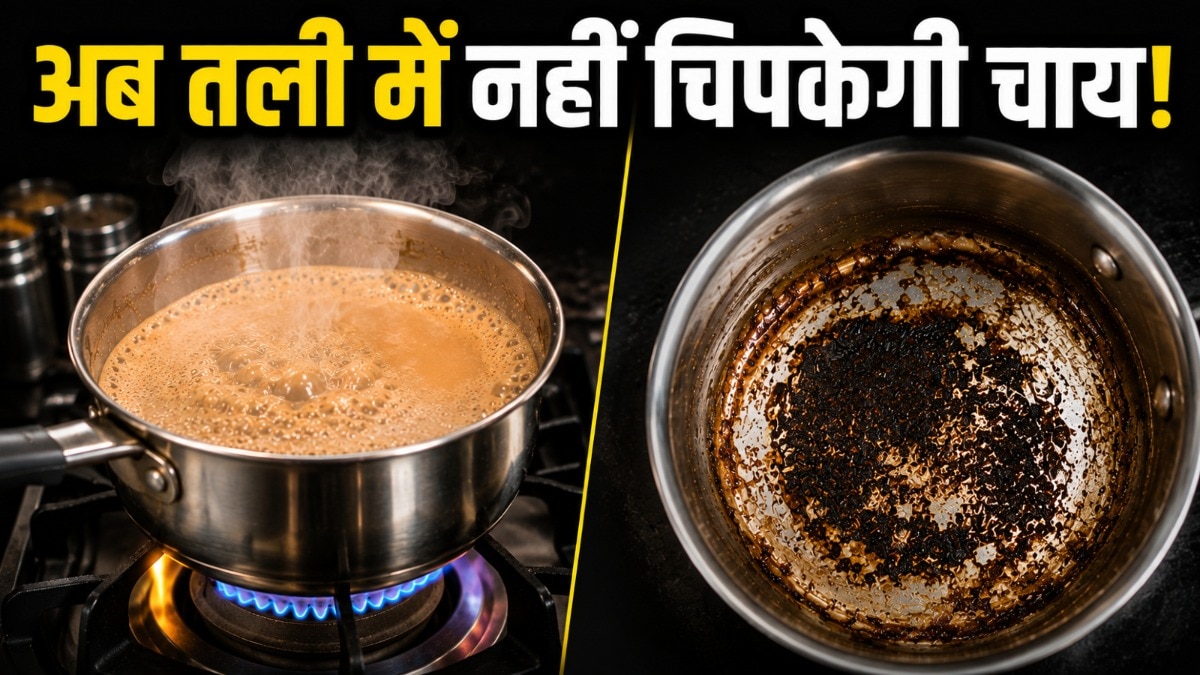
Many households struggle with milk or tea leaves sticking to the bottom of the pot, ruining flavor and making cleanup a chore. This article explains the scientific reasons and offers three practical, cost‑free Indian hacks to keep your kettle spotless.
मुख्य बिंदु (Key Takeaways)
- Create a water barrier to protect the metal surface
- Heat milk on low to medium flame only
- Use heavy‑bottomed cookware and stir continuously
Making tea is more than a routine; it’s a cultural ritual in Indian households. Yet, a common nuisance—milk or tea leaves adhering to the pot’s bottom—often spoils the brew and doubles the cleaning effort. Below we dissect the root causes and present three proven desi tricks that not only stop the sticking but also preserve the cookware’s shine for years.
Scientific Reason Behind Sticking
When milk is heated, its proteins (mainly casein) and lactose interact with the hot metal surface, forming a thin chemical layer. Thin‑bodied pans or high flames accelerate this reaction, causing the protein‑sugar matrix to carbonize and bond tightly to the metal. The result is a stubborn crust that affects both taste and future cleaning. Cookware quality—especially heavy‑bottomed stainless steel or cast iron—plays a pivotal role in distributing heat evenly, reducing hot spots that trigger rapid scorching.
Desi Hack #1 – Water Barrier
Before adding milk, pour a few drops of water into the empty pot and swirl it around, then discard the excess. This creates a thin protective film on the interior, preventing direct contact between milk proteins and the metal. The method is free, requires no special tools, and works instantly.
Desi Hack #2 – Low Heat & Proper Vessel
Always bring milk to a gentle boil on low or medium flame. High heat creates localized “hot spots,” causing the proteins to burn quickly. Opt for heavy‑bottomed pans, which spread heat uniformly and eliminate the risk of a single area overheating.
Desi Hack #3 – Constant Stirring & Cleanliness
While the milk or tea simmers, keep stirring with a spoon. Continuous agitation disrupts the forming protein layer, preventing it from anchoring to the surface. After cooking, rinse the pot with cold water and dry it thoroughly; residual film from previous batches accelerates future sticking.
By integrating these three straightforward steps, tea enthusiasts can enjoy a flawless brew and extend the lifespan of their cookware—whether at home or in the office. Small, mindful adjustments prove that everyday kitchen challenges can be solved with simple, cost‑effective ingenuity.


