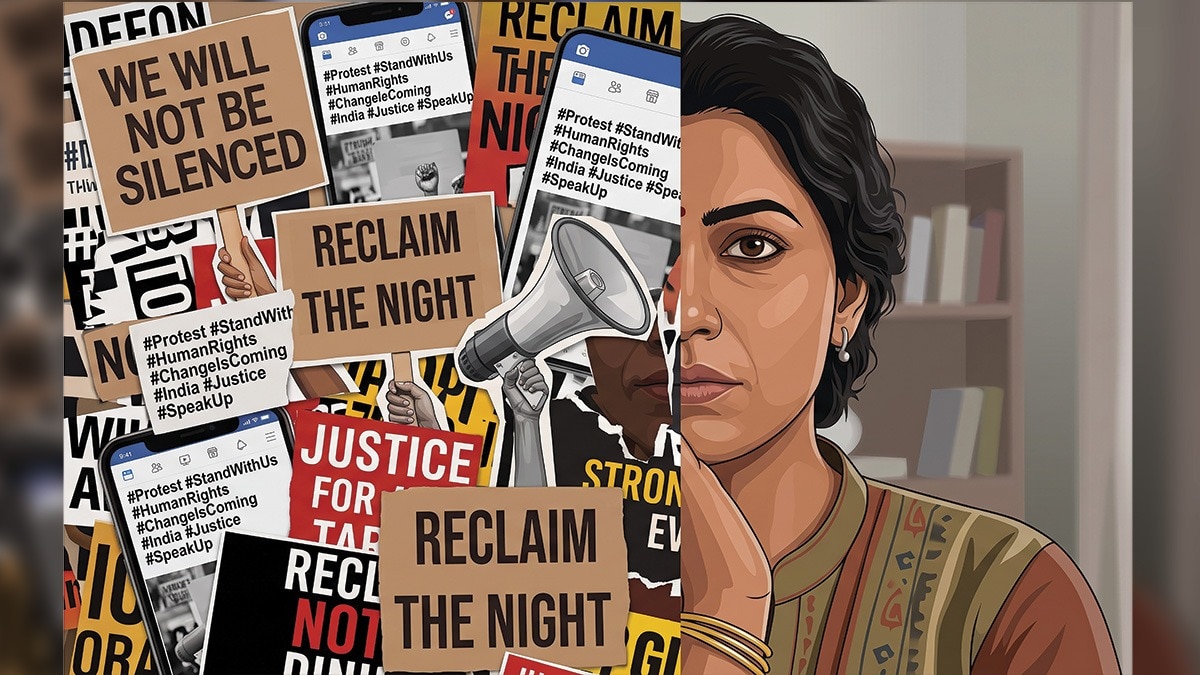
In her guest column, Paromita Vohra dissects the persistent gap between knowing and doing in Indian society. The piece explores cultural, psychological and structural factors that keep awareness from turning into action.
Key Takeaways
- The knowledge‑action gap exists at both individual and societal levels.
- Habits, lack of motivation, and systemic barriers intensify the divide.
- Effective change requires policy support coupled with personal commitment.
Paromita Vohra’s latest guest column tackles the enduring ‘knowledge‑and‑doing gap’ as a socio‑psychological challenge. She argues that while Indians are increasingly informed about climate change, public health, and gender equality, translating that knowledge into concrete behaviour remains a struggle.
Historical and Social Context
The roots of this gap trace back to India’s colonial and post‑colonial history, where the divide between nationalist fervour and practical implementation was evident. Today, similar patterns appear in water‑conservation drives, women‑empowerment schemes, and educational reforms—areas where awareness outpaces action.
Psychological and Structural Drivers
From a behavioural science perspective, the Intention‑Behaviour Gap Theory posits that intention turns into action only when individuals have clear goals, autonomy, and social support. Economic insecurity, information overload, and policy inconsistencies further widen the chasm.
Case Study: Plastic‑Ban Initiatives
Vohra cites city‑wide plastic‑ban policies where citizens are fully aware of the environmental stakes, yet plastic‑bag usage persists. The example underscores that mere information is insufficient; effective enforcement, affordable alternatives, and continuous monitoring are essential for behavioural shift.
Pathways to Bridge the Gap
The column proposes a two‑pronged approach: governments should design behaviour‑based incentives, while citizens adopt micro‑goals and regular self‑audits. Leveraging digital platforms, community workshops, and public‑private partnerships can accelerate the transition from knowledge to action.
In closing, Vohra emphasizes that ‘beyond knowledge, cultivating a culture of action is the way forward.’ Her analysis not only highlights the problem but also offers a pragmatic roadmap for change.



