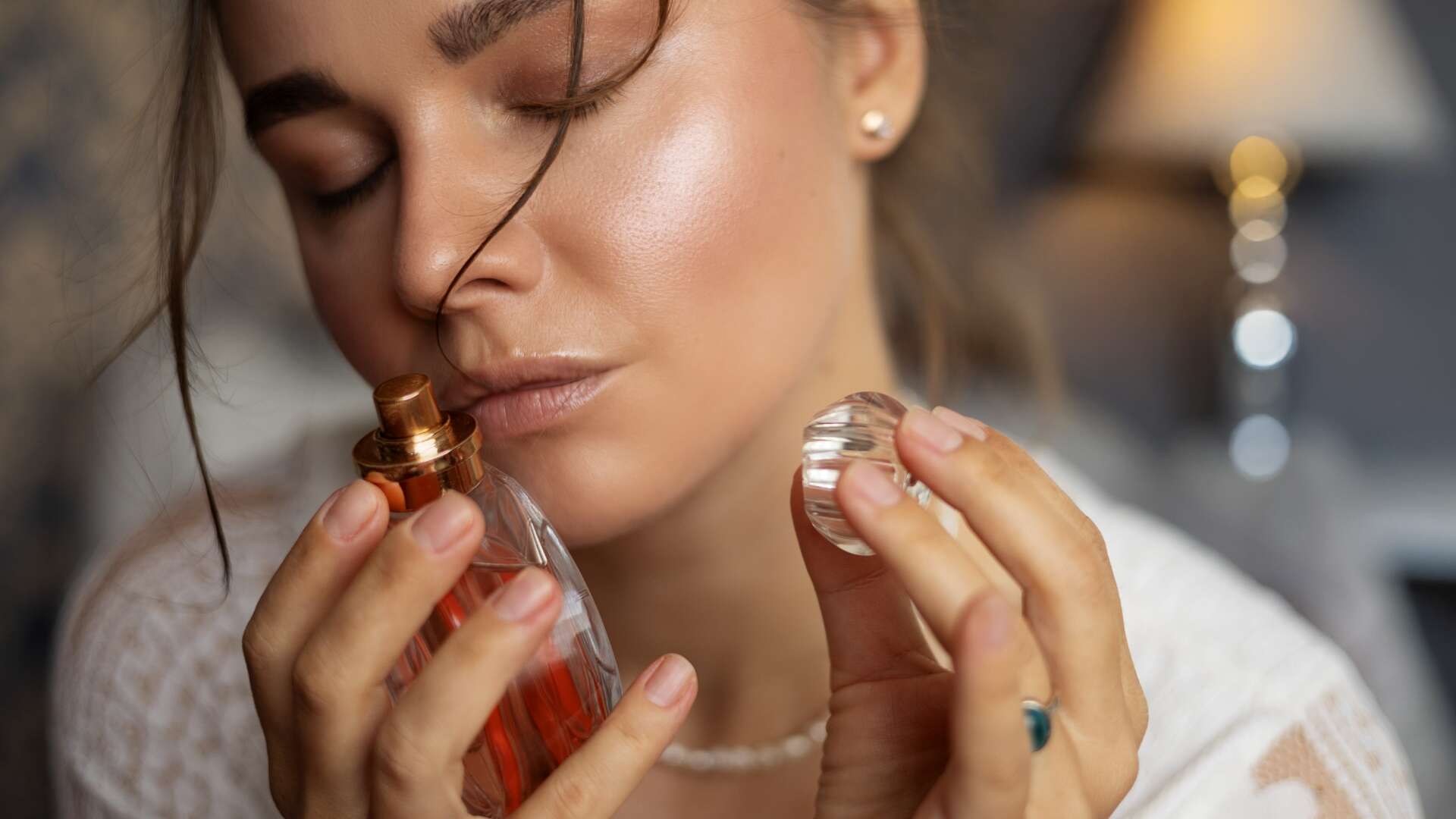
High‑end fragrances often rely on animal secretions and infected‑tree resins that give them a unique, long‑lasting scent. Today most of these components are synthetically reproduced, making ethical sourcing possible and the aromas accessible worldwide.
Key Takeaways
- Musk, castoreum, ambergris and oud are the four pungent bases of premium perfumes
- Historically they required hunting or tree infection, raising ethical concerns
- Modern chemistry now creates identical synthetic versions, ensuring sustainability and affordability
In the world of fragrance, the most unforgettable scents often stem from ingredients that smell downright repulsive in their raw form. Indian perfumer Vineet Arora of RAD LVNG explains four such “stinky” components that have become the backbone of today’s most expensive eau de parfums.
1. Musk – The Male Musk Deer Gland
The coveted musk note originates from the scent pod attached to the abdomen of the male musk deer. Historically, hunters killed these shy creatures for the gland, pushing the species toward extinction. Fresh musk is sharp, fatty and almost urine‑like, but once diluted in alcohol and aged it becomes a powerful fixative that makes a fragrance linger for hours. Since the species has been protected in India since 1979, virtually all commercial “musk” today is laboratory‑synthesized.
2. Castoreum – Beaver’s Territorial Secretion
Castoreum is a thick, leathery secretion stored in sacs near a beaver’s tail. The animal mixes it with urine to mark its territory, producing a smoky, birch‑tar aroma. When blended into a perfume, it softens into a sensual, animalic note. Iconic scents such as Chanel No. 5 and Guerlain’s Shalimar once contained natural castoreum, but the need to kill beavers has driven the industry toward synthetic alternatives.
3. Ambergris – The Whale’s “Vomit”
Ambergris is a waxy substance that forms in the intestines of sperm whales after they digest squid. It is expelled, floats to the surface, and sometimes washes ashore, earning the nickname “whale vomit.” Fresh ambergris smells fecal and harsh, yet with age it transforms into a sweet, woody, marine‑rich accord prized for its ability to make other notes cling to skin far longer. Because natural ambergris is rare and unpredictable, perfumers now rely on lab‑crafted analogues.
4. Oud (Agarwood) – Resin From an Infected Tree
Oud, also known as agarwood, does not exist in a healthy Aquilaria tree. When the tree is wounded or infected by a specific mold, it secretes a dark, fragrant resin as a defense mechanism. Harvesters collect this resin, which can fetch thousands of dollars per kilogram, precisely because the infection cannot be scheduled or forced.
Synthetic Revolution and Ethical Perfuming
Today, almost every bottle on a consumer’s shelf contains synthetic versions of these four ingredients. Strict wildlife protection laws, sustainability concerns, and the erratic supply of natural ambergris have pushed chemists to reverse‑engineer the molecules molecule‑by‑molecule. The result is a perfume that delivers the same depth, longevity, and intrigue without harming animals or forests.
For fragrance enthusiasts, the revelation that their favorite scent is built on “stinky” foundations is less shocking than the fact that those foundations are now ethically produced, affordable, and globally available.


