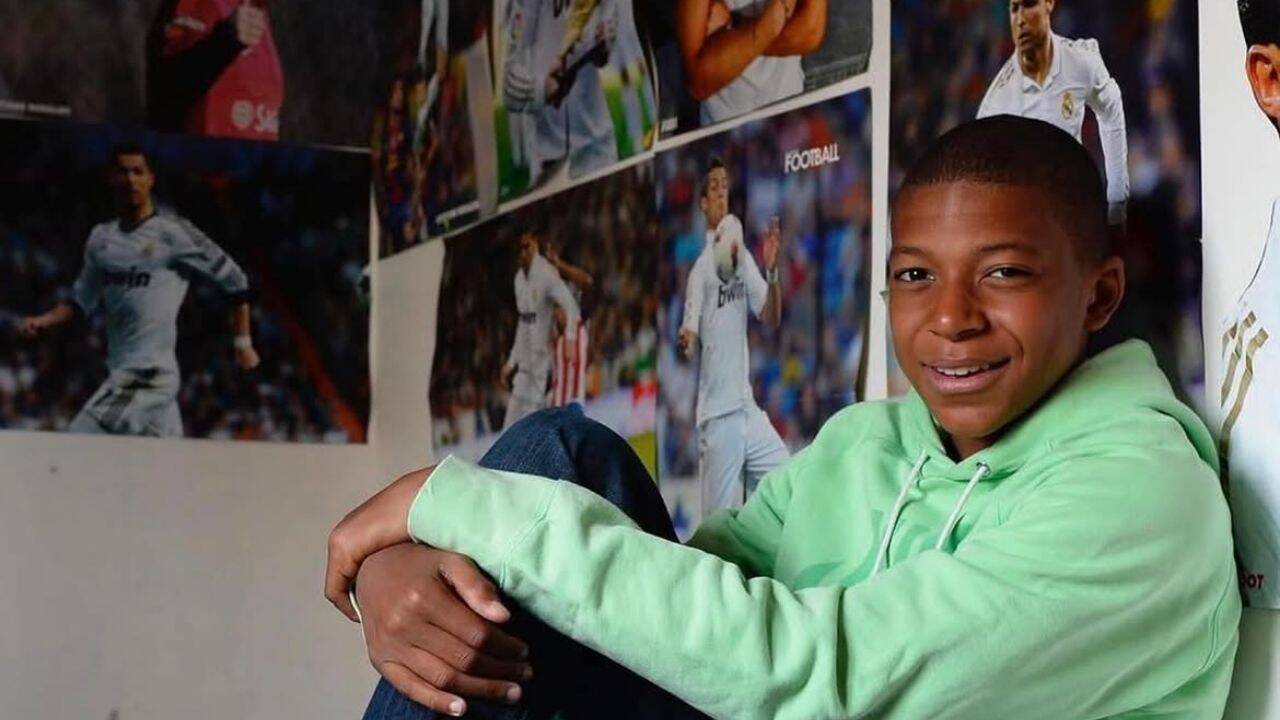
Kylian Mbappé’s meteoric ascent from a football‑crazy child to a global icon offers a practical guide for parents. Recognizing a child’s early interests, pairing natural talent with disciplined effort, and providing balanced role models can lay the groundwork for lasting achievement.
मुख्य बिंदु (Key Takeaways)
- Identify and nurture a child’s early passions
- Combine innate talent with consistent discipline
- Offer inspiring role models without undue pressure
Kylian Mbappé, born in 1998 to a modest family in Paris, was already dribbling a ball at five. By 2015 he debuted for AS Monaco, and two years later he starred in France’s 2018 World Cup triumph. His rapid rise has sparked a broader conversation among parents about how to foster their children’s dreams without stifling them.
Early Recognition Matters
Developmental psychologists stress that ages six to twelve are critical for forming concrete interests. Mbappé’s father, Wilfried, noticed his son’s relentless enthusiasm for street‑football and enrolled him in a local club. This simple act of observation turned into structured support, illustrating that “seeing” is often the first step toward “sustaining.”
Talent Needs Discipline
While Mbappé’s blistering speed and technical flair dazzled scouts, coaches repeatedly emphasize his work ethic. He adds extra training hours, follows a tailored nutrition plan, and engages in mental‑conditioning sessions. The lesson for parents is clear: raw ability alone rarely translates into elite performance; disciplined practice bridges the gap.
Role Models vs. Pressure
Mbappé’s global profile makes him a role model for countless aspiring athletes, yet experts warn against converting admiration into oppressive expectations. Studies link excessive parental pressure to performance anxiety and reduced self‑esteem. Balance, therefore, is essential—celebrate achievements while keeping the joy of the game front‑and‑center.
Belief Builds Confidence
When parents express genuine belief in their child’s aspirations, confidence flourishes. Mbappé’s father often reminded him, “You don’t need to win the World Cup; you need to love the sport.” This perspective encourages resilience, allowing youngsters to view setbacks as learning opportunities rather than failures.


