Actor‑activist Sonu Sood highlighted that 58% of Indians feel lonely, placing the country second worldwide after Turkey. The article delves into the causes, health impacts, and practical steps to counter this emerging public‑health challenge.
Key Takeaways
- India ranks second globally in loneliness according to JB.com’s 2026 report.
- Despite digital connectivity, young adults experience deeper social isolation.
- Solutions require quality relationships, mindful social‑media use, and mental‑health support.
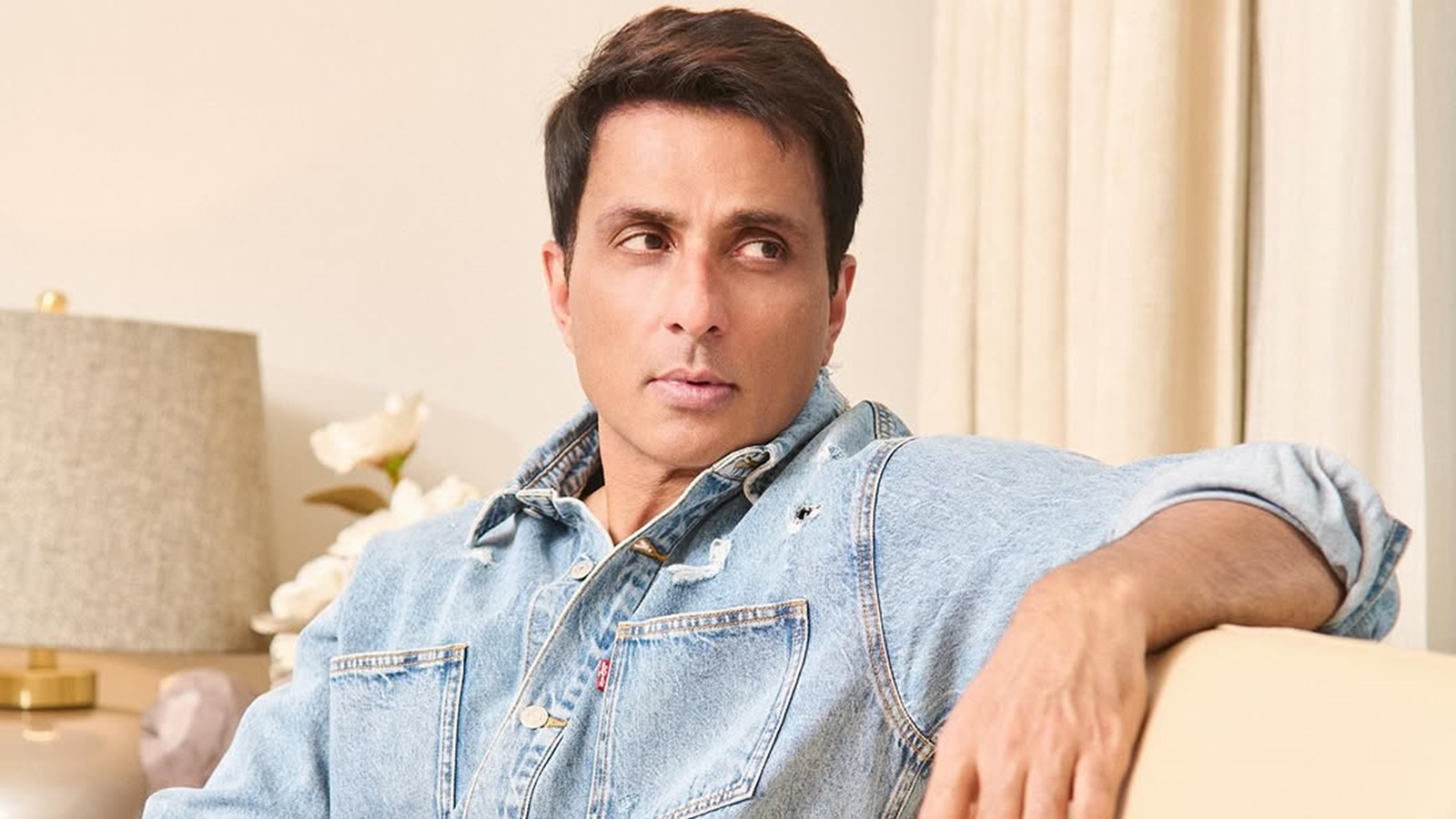
Actor‑activist Sonu Sood used his Instagram Stories to draw attention to India’s escalating loneliness crisis, citing a statistic that 58% of the population feels isolated – making the nation the world’s second most lonely after Turkey. The figure originates from a June 2026 study by digital‑entertainment platform JB.com, which surveyed emotional well‑being across 36 countries.
Background and Historical Context
Loneliness is not a new phenomenon, but the rapid expansion of the internet and social media over the past two decades has layered it with new complexities. While earlier networks reduced geographic distance, they also shifted the nature of relationships from deep, sustained interactions to superficial, frequent touchpoints. This shift is now recognized as a public‑health issue, linking social isolation to a host of mental and physical ailments.
Current Drivers
Clinical psychologist Dr. Rimpa Sarkar identifies several interrelated drivers: increased screen time, frequent relocations for education or work, the rise of remote employment, and a fast‑paced, uncertain world that erodes stable community ties. Social platforms, she notes, often create an illusion of connection while replacing meaningful engagement with passive scrolling.
Compounding these factors is the pressure to appear successful and happy online, which discourages vulnerable individuals from admitting loneliness. “The more we compare our lives to curated versions of others, the more isolated we feel,” Dr. Sarkar explains. Chronic loneliness, she adds, is linked to heightened stress, anxiety, depression, sleep disturbances, low self‑esteem, and even poorer physical health.
Potential Solutions
Contrary to the common belief that loneliness only affects those who are physically alone, Dr. Sarkar stresses that emotional disconnection can occur even in crowded environments. The remedy, therefore, lies not merely in increasing contact frequency but in fostering safe, accepting, and genuinely understood relationships.
She recommends that young people intentionally invest in face‑to‑face interactions, nurture a few close friendships rather than chase large social circles, join interest‑based communities, and practice honest conversations about emotions. Setting healthy boundaries with social media is equally crucial: “Online interaction should complement, not replace, real‑world relationships.”
Looking Ahead
If policymakers and private sector stakeholders prioritize this issue, the nation can curb the rising tide of loneliness‑related mental disorders. Sonu Sood has expressed willingness to collaborate with organisations working on concrete solutions, signalling a potential shift toward greater social cohesion and mental‑wellness in India.