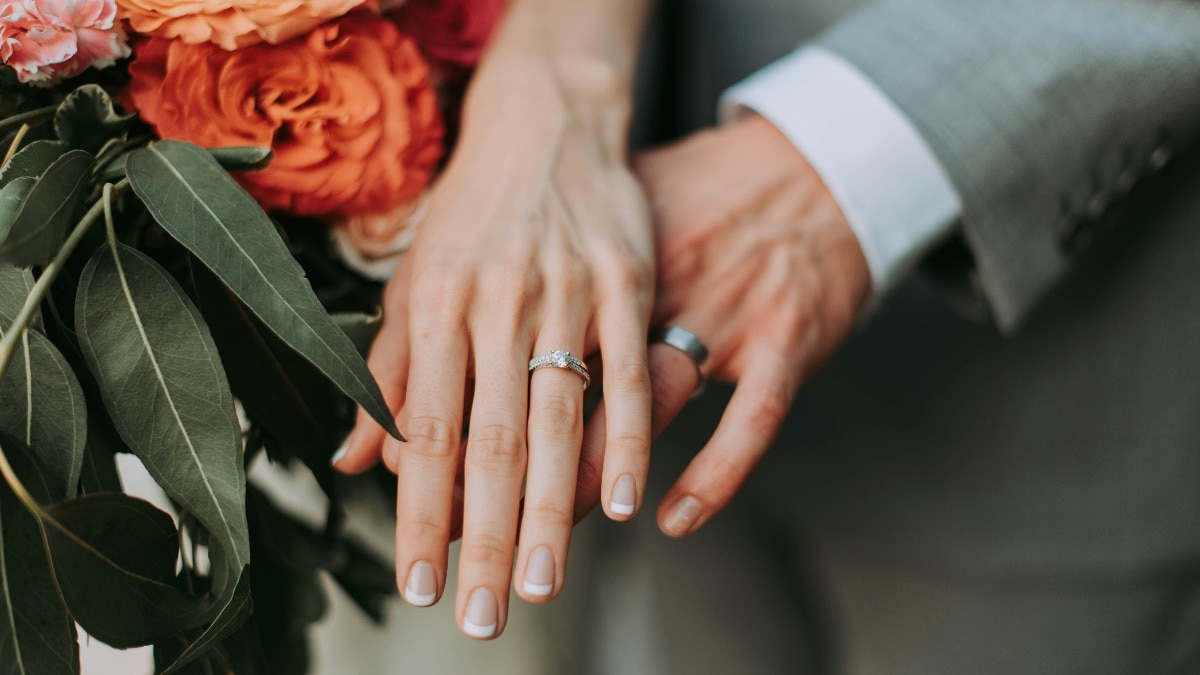
Much like a 'starter home' in real estate, the concept of a 'starter marriage' is emerging. But is this trend a stepping stone or a social setback?
In the modern sociological landscape, a new phenomenon is gaining traction: the 'Starter Marriage.' Just as young professionals often purchase a 'starter home' to establish their footing in the real estate market, many individuals are entering into marriages that serve as a preliminary stage of adulthood rather than a lifelong commitment.
While the idea of a trial run in companionship might sound intriguing, the reality is often fraught with complexities. These unions are frequently entered into during periods of high personal volatility—early in careers, during shifts in identity, or under intense social pressure to conform to traditional milestones before one is truly ready.
Why This Matters (इसके मायने क्या हैं)
BozokMedia analysis shows that the prevalence of starter marriages reflects a fundamental shift in how society views the sanctity of commitment versus the necessity of individual growth. As people prioritize self-discovery and career trajectory, the traditional 'till death do us part' model is being challenged by a more fluid, albeit more fragile, approach to partnership.
For the economy and legal systems, this trend translates to higher divorce rates, increased litigation regarding asset division, and a shift in how family-oriented financial products are designed. On a human level, it necessitates a more robust psychological support system for individuals navigating the emotional fallout of these transitional relationships.
'Starter marriages often represent the friction between youthful idealism and the evolving reality of adult identity.'
Historical Background
Historically, marriage was viewed as a cornerstone of social stability and economic survival. For centuries, unions were often strategic alliances designed to consolidate wealth, land, and lineage. The concept of 'romantic love' as the primary driver for marriage is a relatively modern development. In the post-industrial era, the rise of individualism and women's economic independence has transformed marriage from a survival necessity into a vehicle for personal fulfillment, leading to the current era of experimental relationship structures.
| Feature | Traditional Marriage | Starter Marriage |
|---|---|---|
| Primary Driver | Social Stability & Lineage | Personal Experience & Social Milestone |
| Expected Duration | Lifelong Commitment | Transitional/Short-term |
| Economic Context | Established Financial Base | Early Career/Fluidity |
Frequently Asked Questions (अक्सर पूछे जाने वाले प्रश्न)
Question 1: What defines a 'starter marriage'?
Answer: It is a marriage entered into during a person's formative years that is often viewed as a temporary stage rather than a permanent union.
Question 2: Is there a downside to this trend?
Answer: Yes, it can lead to emotional instability, higher divorce rates, and complex legal complications regarding shared assets.