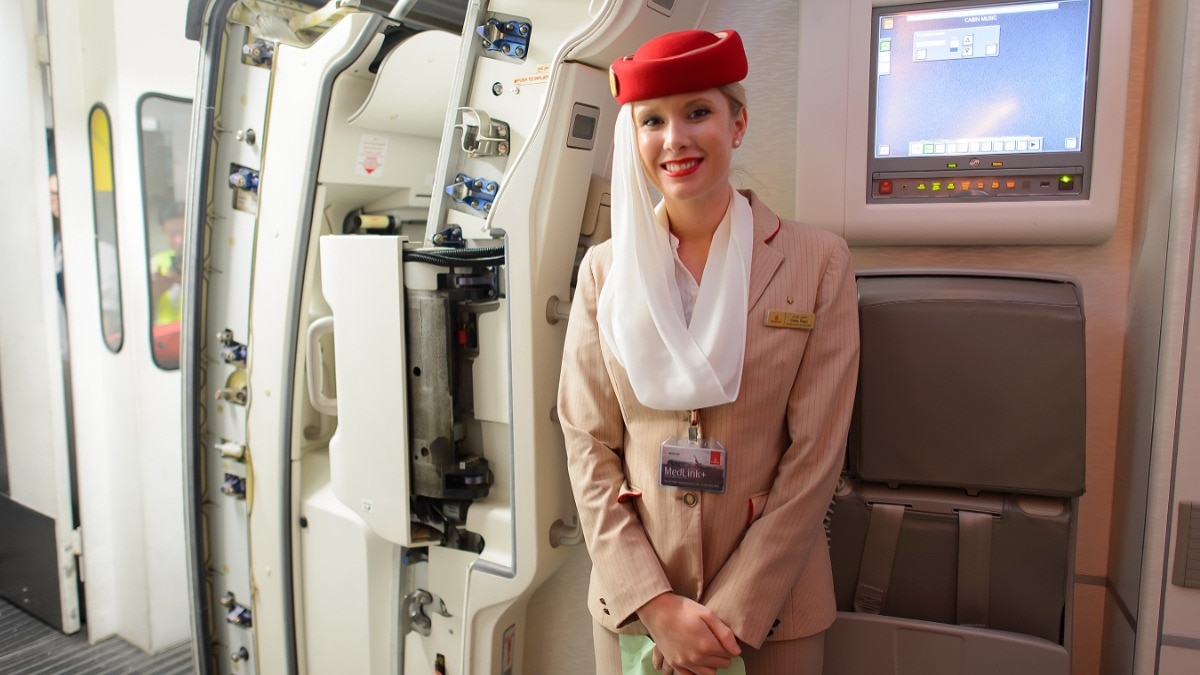
Is the smile of a flight attendant just a courtesy? Discover the critical security assessment happening in those few seconds of boarding.
Key Takeaways
- The smile is part of a subtle security screening process.
- Crew members monitor passengers for intoxication, illness, or suspicious behavior.
- The boarding process helps identify potential human trafficking and medical professionals on board.
If you have ever traveled by air, you have likely experienced a warm, smiling welcome from a flight attendant at the aircraft door. While most passengers perceive this as mere professional etiquette or high-quality customer service, the reality is far more strategic and vital for aviation safety.
During those fleeting seconds of interaction, the cabin crew is performing a high-stakes visual assessment. They aren't just checking your boarding pass; they are scanning your physical and mental state to ensure the safety of everyone on board.
What is the Crew Actually Looking For?
According to senior aviation experts and flight professionals, the crew is trained to observe specific red flags during the boarding phase:
- Physical Stability: Is the passenger walking steadily or appearing unsteady on their feet?
- Scent and Demeanor: Is there a strong smell of alcohol, or does the passenger seem unusually aggressive?
- Health Indicators: Is the passenger sweating excessively, appearing confused, or looking severely ill?
- Security Risks: Does the passenger's hand luggage contain anything suspicious or prohibited?
Why This Matters
BozokMedia analysis shows that identifying a disruptive or intoxicated passenger before the cabin door closes can prevent mid-flight diversions, which cost airlines millions of dollars and compromise passenger security.
'A smile serves as a psychological tool to keep passengers calm while the crew conducts a silent security audit.'
Beyond Safety: Human Trafficking and Emergency Support
Modern international airlines now provide specialized training to cabin crews to recognize signs of human trafficking. By observing unusual behavior or signs of coercion, crew members can alert authorities discreetly. Furthermore, they actively identify 'helpful passengers'—such as doctors, nurses, or military personnel—who could be vital during a medical or safety emergency.
Frequently Asked Questions
1. Can a flight attendant refuse boarding to a passenger?
Yes, if the crew suspects a passenger is intoxicated or poses a direct threat to flight safety, they have the authority to deny boarding.
2. Is this scrutiny mandatory for all airlines?
Yes, visual assessment during boarding is a standard safety protocol practiced by major airlines worldwide to ensure cabin security.