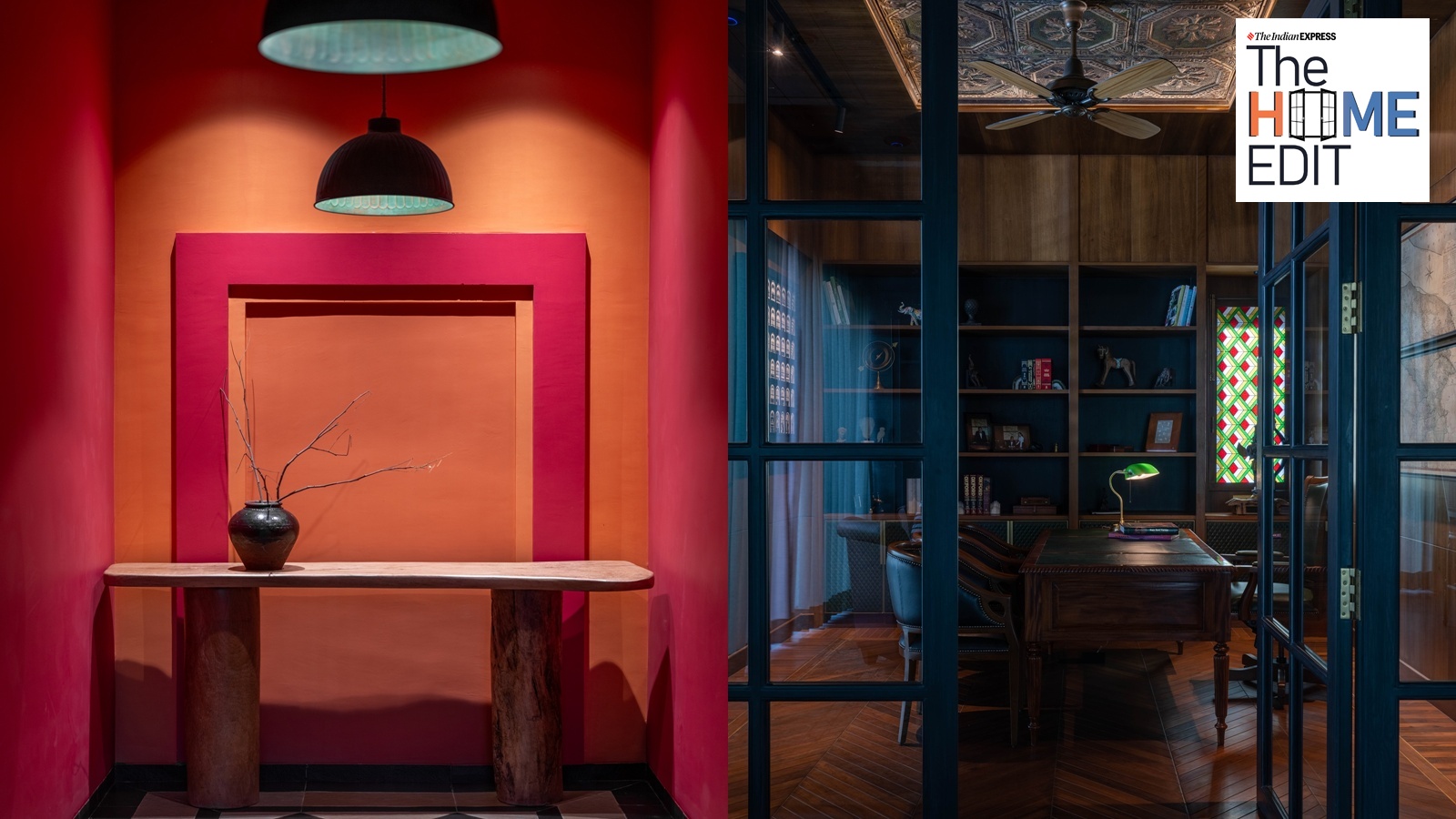
Renowned interior designer Shabnam Gupta reveals how to use ambient, task, and accent lighting to create a functional and beautiful home environment.
Key Takeaways
- Prioritize natural light through large windows.
- Layer lighting vertically using lamps, sconces, and chandeliers.
- Match color temperature to the room's purpose.
- Use dimmers for mood flexibility.
Lighting is far more than a utility; it is a fundamental element of interior design that dictates the mood, highlights textures, and enhances the architectural soul of a home. According to acclaimed designer Shabnam Gupta, founder of 'The Orange Lane', a successful lighting scheme must strike a perfect balance between aesthetic appeal and functional necessity.
Mastering the Art of Illumination
To elevate your living space, one must look beyond simple overhead fixtures. First, maximize natural light; designing with large windows ensures better color rendering and energy efficiency. Second, implement layered lighting. By mixing ambient, task, and accent lighting at different heights—using table lamps, wall sconces, and chandeliers—you add depth and prevent the space from feeling 'flat'.
Why This Matters
BozokMedia analysis shows that lighting design significantly impacts psychological well-being and the perceived value of a property. Poorly planned lighting can lead to visual fatigue, whereas thoughtful layering creates a sense of luxury and comfort.
Lighting should not be an afterthought; it must be integrated into the very fabric of your architectural design.
Thirdly, pay attention to color temperature. Use warm tones for relaxing areas like bedrooms and cooler tones for workspaces to aid concentration. Integrating dimmers is also highly recommended to allow for seamless transitions between different moods and times of day.
Common Pitfalls to Avoid
Many homeowners make the mistake of over-relying on technical ceiling spots, which create harsh shadows and an uninviting atmosphere. Additionally, avoid the 'over-lighting' trap, where excessive brightness makes a room feel sterile. One must also be careful not to mix inconsistent color temperatures in a single area, as this disrupts the visual harmony of the space.
Frequently Asked Questions
1. What is the difference between task and accent lighting?
Task lighting is for specific activities like reading, while accent lighting is used to highlight decor or architectural features.
2. Can lighting affect my mood?
Yes, warm lighting promotes relaxation, while bright, cool light can increase alertness and energy.