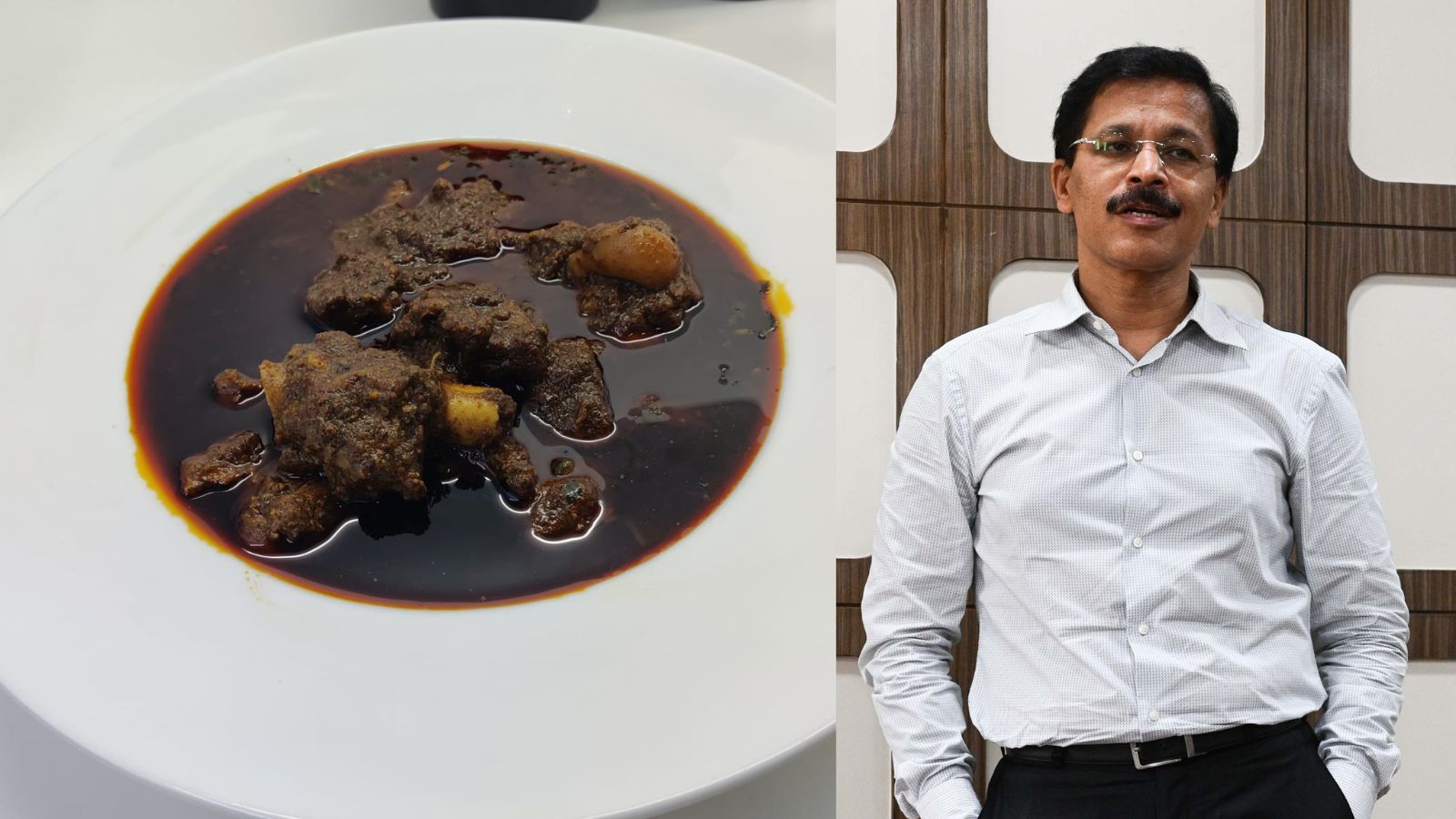
After Maharashtra FDA Commissioner Tukaram Mundhe criticized the intensity of Saoji mutton, the fiery culinary legacy of Nagpur's Halba Koshti community has taken center stage.
Key Takeaways
- FDA Commissioner Tukaram Mundhe commented on the extreme spiciness of Saoji mutton.
- The cuisine originated from the Halba Koshti community migrating from Madhya Pradesh.
- The signature flavor comes from a complex blend of 32 spices.
The fiery reputation of Saoji cuisine has been thrust back into the spotlight following a controversial remark by Maharashtra Food and Drug Administration (FDA) Commissioner Tukaram Mundhe. While addressing an audience in Amravati, Mundhe remarked that eating Saoji mutton would make him "fall sick for a month," sparking a conversation about the intense nature of this iconic Nagpur delicacy.
Historical Roots of a Culinary Icon
Saoji cuisine is more than just food; it is a story of migration and resilience. The cuisine was pioneered by the Halba Koshti community, who moved from Madhya Pradesh to Nagpur in the late 19th century to work in the burgeoning textile industry. As the handloom industry declined, the community's women leveraged their culinary expertise to create a unique spice blend that would eventually define the food culture of the Vidarbha region.
The Alchemy of 32 Spices
The soul of Saoji lies in its 'Kala Masala'. This intricate blend consists of 32 different spices, including peppercorns, star anise, coriander, cardamom, and nutmeg. These spices are slow-roasted in linseed or jute oil until they turn dark, creating a deep, reddish-black gravy that is unapologetically bold.
The roasting process is vital; spices are cooked until they release their essential oils, creating an intense, dark, and aromatic profile.
BozokMedia analysis shows that while the spice levels may be overwhelming for newcomers, the complexity of the flavors is what makes the cuisine addictive for locals and food enthusiasts alike.
Why This Matters
The evolution of Saoji from a community-based meal to a commercial success in cities like Mumbai and Pune demonstrates the power of regional culinary heritage. It has transitioned from simple 'bhojanalayas' to high-end dining, proving that authentic, bold flavors have a massive market appeal despite health-related criticisms.
Frequently Asked Questions
1. What makes Saoji cuisine unique?
Its unique identity comes from a specific blend of 32 spices and the traditional use of linseed or jute oil.
2. Is Saoji cuisine only non-vegetarian?
While traditionally centered around mutton and chicken, modern adaptations now include paneer and jackfruit.