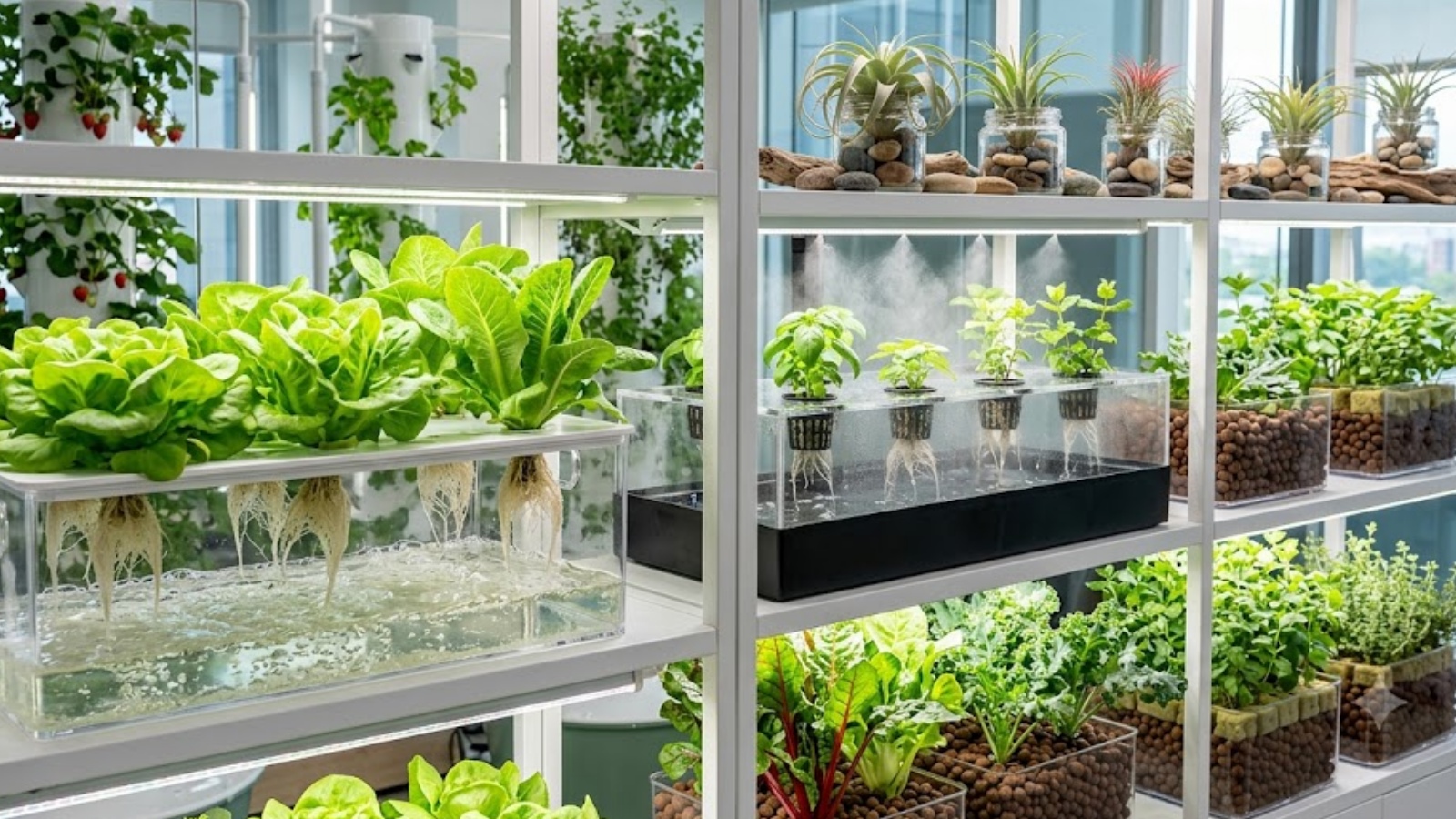
Transform your living space with these low-maintenance, soil-free plants. Discover how to bring greenery into your home using only water or air.
Key Takeaways
- Many plants can thrive using water, air, or specialized mediums instead of soil.
- Soil-free gardening is ideal for urban apartments and low-maintenance lifestyles.
- Species like Lucky Bamboo and Air Plants are perfect for indoor aesthetics.
When most people envision gardening, soil is the immediate thought. However, nature offers incredible versatility; several plant species can flourish without a single grain of dirt, drawing essential nutrients from water, air, or specialized growing mediums.
These soil-free plants are a game-changer for urban dwellers, apartment residents, and anyone seeking a clean, low-maintenance way to invite nature indoors.
Top Soil-Free Plant Varieties
If you are looking to start your indoor jungle without the mess of dirt, consider these options:
- Lucky Bamboo: A staple in Feng Shui, these elegant stems thrive in glass containers filled with water and pebbles.
- Pothos: Extremely easy to propagate, its trailing vines make it a favorite for shelves and hanging baskets.
- Air Plants (Tillandsia): Perhaps the most unique, these plants absorb moisture directly through their leaves, requiring zero soil.
- Spider Plants: These can be grown hydroponically and are known for their rapid growth and attractive arching foliage.
Why This Matters
BozokMedia analysis shows that as urban living spaces shrink, the demand for 'hydroponic-lite' gardening is skyrocketing. Moving away from traditional soil helps reduce indoor pests and makes plant care more accessible for busy professionals.
Soil-free gardening minimizes mess and eliminates the risk of soil-borne pests, making it the ultimate choice for modern interiors.
Frequently Asked Questions
1. Do soil-free plants need any nutrients?
Yes, since they aren't getting minerals from soil, adding liquid nutrients to their water periodically is highly recommended.
2. Are these plants suitable for low-light rooms?
Many, such as the Chinese Evergreen and Pothos, are specifically adapted to thrive in indirect or low-light indoor conditions.