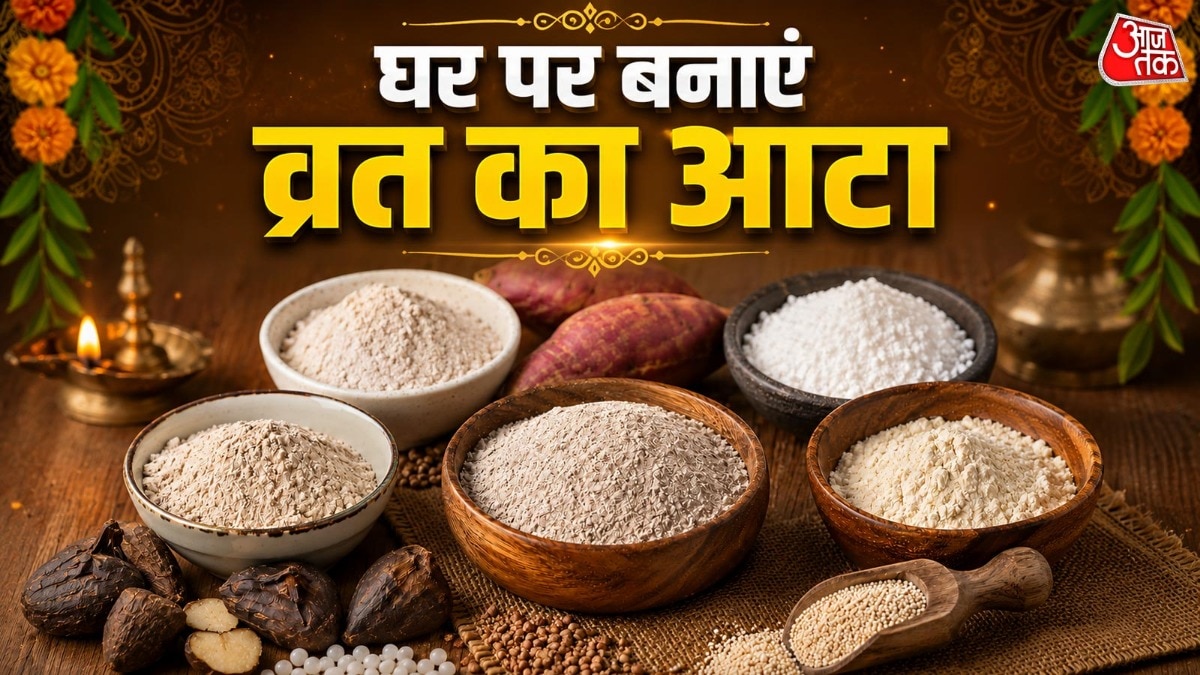
Avoid impurities during fasting seasons like Sawan and Navratri by making your own Falahari flour. Learn easy ways to prepare Kuttu, Rajgira, Sabudana, and Singhara flour at home.
Key Takeaways
- Making flour at home ensures 100% purity and avoids market adulteration.
- Common fasting ingredients include Buckwheat (Kuttu), Amaranth (Rajgira), Sabudana, Sweet Potato, and Water Chestnut (Singhara).
- Proper drying and airtight storage are essential for long-term freshness.
During sacred fasting periods such as Sawan and Navratri, maintaining a pure diet is a top priority for many. However, commercially available fasting flours are often prone to adulteration. BozokMedia analysis shows that preparing these flours at home is not only safer but also more cost-effective and nutritious.
5 Varieties of Homemade Fasting Flours
You can easily whip up several types of flour to make delicious vrit meals like Puris, Parathas, Cheelas, and Pakodas.
1. Kuttu (Buckwheat) Flour
Clean the buckwheat grains thoroughly to remove impurities. For better aroma, lightly roast them in a dry pan for 3-5 minutes. Once cooled, grind them in a mixer and sieve through a fine strainer.
2. Sabudana (Sago) Flour
Roast Sabudana on medium heat for 5-10 minutes until it turns slightly golden and dry. Allow it to cool completely before grinding into a fine powder. This is perfect for making crispy Cheelas.
3. Sweet Potato & Water Chestnut Flour
Peel and chop sweet potatoes or water chestnuts into small pieces. Dry them thoroughly under direct sunlight or in a low-temperature oven until they become crispy. Once dried, grind them into a fine flour.
Why This Matters
Fasting is as much about detoxification as it is about devotion. Consuming pure, homemade flour ensures that your digestive system remains unburdened by additives or low-quality fillers found in processed products.
Purity in ingredients directly impacts the spiritual and physical benefits of fasting.
Frequently Asked Questions
Q1: How can I store homemade fasting flour?
Always let the flour cool completely before transferring it to an airtight container to prevent moisture buildup.
Q2: Can I use oven-dried sweet potatoes?
Yes, using a low-temperature oven is an excellent alternative to sunlight for drying tubers for flour.