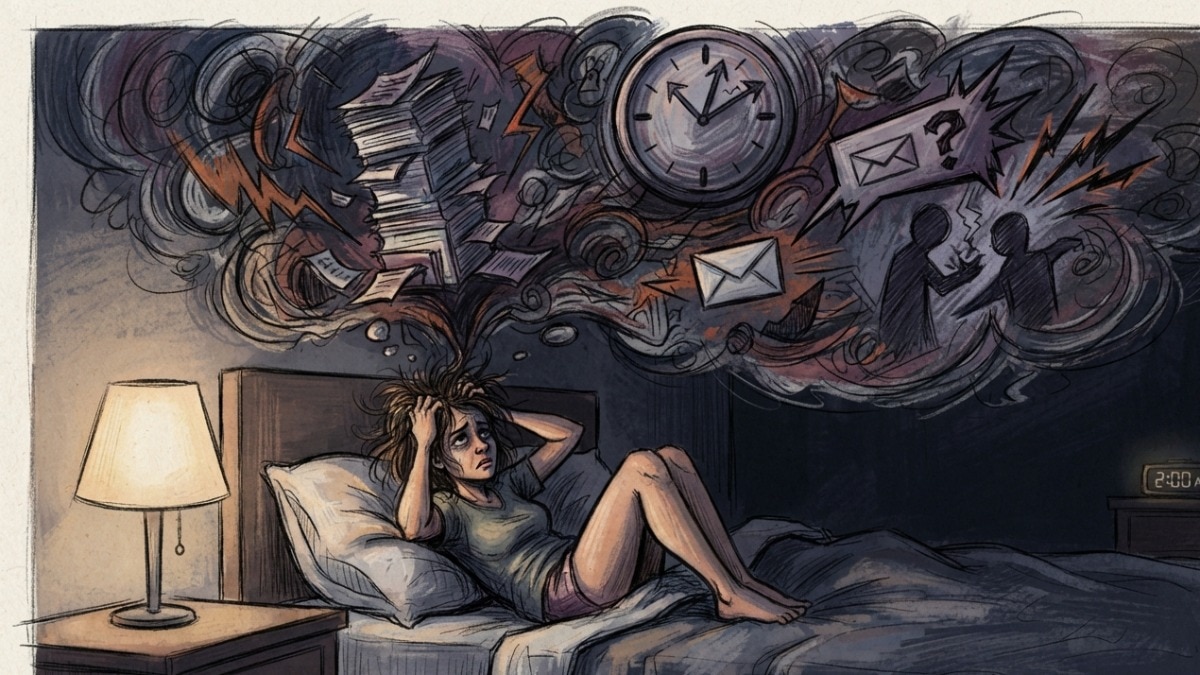
Ever wondered why a tiny mistake feels like a catastrophe in the middle of the night? Science has a fascinating answer regarding your brain's nighttime behavior.
Key Takeaways
- Emotional sensitivity peaks during late-night hours.
- Reduced cognitive control makes logic harder to apply.
- Hormonal shifts play a critical role in nocturnal mood swings.
There is a universal phenomenon where a minor social blunder or a small work task feels like a life-altering crisis at 2 AM. This isn't just 'overthinking'; it is a documented psychological state where the brain's ability to regulate emotions is significantly compromised by the time the early hours of the morning arrive.
The Biological Component
During the late hours, our bodies undergo significant hormonal shifts. The decrease in serotonin levels and the fluctuation of cortisol can lead to heightened anxiety. When the environment is dark and quiet, the lack of external stimulation forces the brain to turn inward, often focusing on unresolved conflicts.
Why This Matters
BozokMedia analysis shows that the modern 'always-on' culture has exacerbated this issue. The blue light from smartphones disrupts our circadian rhythm, preventing the brain from entering a restful state and instead trapping it in a loop of hyper-vigilance and anxiety.
"At night, the prefrontal cortex—the brain's logical command center—is less effective at suppressing emotional responses from the amygdala."
Historical Background: Historically, humans relied on darkness for rest and safety. However, the evolutionary instinct to remain alert to potential threats in the dark has translated into modern psychological anxiety during quiet hours.
Frequently Asked Questions
1. Is nighttime anxiety a medical condition?
While occasional nighttime worry is common, chronic anxiety may require professional consultation.
2. How can I stop the 2 AM spiral?
Practicing mindfulness, limiting screen time, and maintaining a consistent sleep schedule can help.