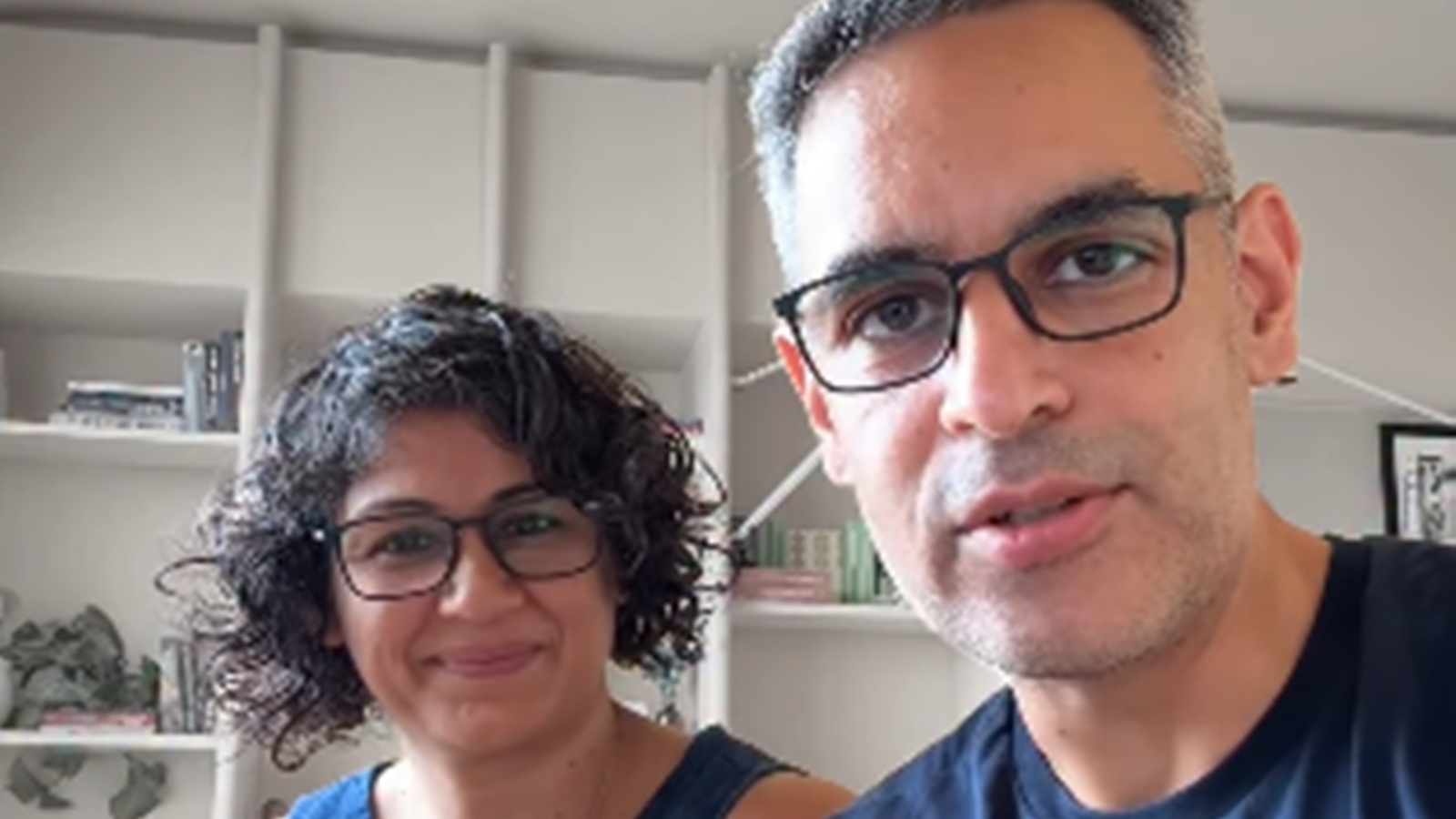
Renowned entrepreneur Ankur Warikoo and his wife Ruchi have shared the three unconventional parenting rules they follow to foster financial intelligence, independence, and emotional maturity in their children.
- Honest communication about money to build financial literacy.
- Avoiding overprotection to cultivate self-reliance and resilience.
- Modeling healthy conflict resolution by prioritizing respect over the absence of arguments.
In an era where 'helicopter parenting' has become a global trend, Ankur Warikoo, a prominent entrepreneur and content creator, along with his wife Ruchi Warikoo, are advocating for a more grounded approach. Through a recent Instagram disclosure, the couple detailed the three non-negotiable rules they implement while raising their children, aged 15 and 9.
The Blueprint for Financial Honesty
The first pillar of their approach is a strict policy against lying about money. Rather than using the common parental phrase "we can't afford it," which can instill a sense of scarcity or shame, the Warikoos choose to frame purchases around necessity and value. By stating that a particular item is simply not needed, they shift the conversation from financial limitation to mindful consumption.
Cultivating Independence Through Struggle
The second rule focuses on the danger of overprotection. Ruchi Warikoo emphasizes that children must be allowed to face boredom and solve their own problems. This philosophy suggests that when parents constantly intervene to smooth over difficulties, they inadvertently signal to the child that they are incapable of handling life's challenges independently.
The Dynamics of Respectful Conflict
Perhaps the most poignant rule is their stance on marital disagreement. The couple believes that children should witness their parents disagree, as conflict is an inherent part of any human relationship. However, they maintain a strict boundary: disagreement is acceptable, but disrespect is never tolerated. This teaches children that it is possible to hold opposing views while maintaining dignity and love.
Why This Matters
BozokMedia analysis shows that the Warikoos' approach aligns with modern psychological frameworks that prioritize 'emotional intelligence' over 'curated perfection.' By removing the facade of a conflict-free home and a limitless wallet, they are preparing their children for the complexities of the real world.
"Letting children struggle through manageable things is one of the more loving things a parent can do, even when it’s uncomfortable to watch." - Dr. Chandni Tugnait, Psychotherapist.
Dr. Chandni Tugnait, a renowned psychotherapist and founder of Gateway of Healing, notes that these rules push back against common parental instincts. She explains that children who experience manageable failure build a level of resilience that cannot be taught through instruction alone, but only through experience.
Comparison of Traditional vs. Warikoo Parenting
| Aspect | Traditional Approach | Warikoo Approach |
|---|---|---|
| Money | "We can't afford it" | "We don't need it" |
| Conflict | Hiding fights from kids | Visible disagreement with respect |
| Challenges | Immediate parental intervention | Encouraging self-resolution |
Frequently Asked Questions
Q1: Why is it better to say "we don't need it" instead of "we can't afford it"?
It prevents the child from associating money with stress or lack, instead teaching them the difference between a 'want' and a 'need'.
Q2: Is it healthy for children to see their parents fight?
Yes, provided the conflict is handled with respect. It teaches children how to navigate disagreements healthily in their own future relationships.