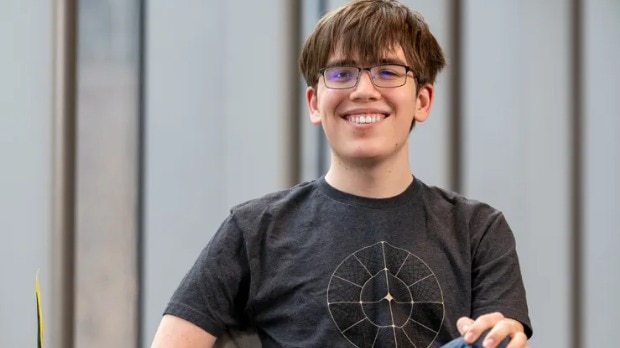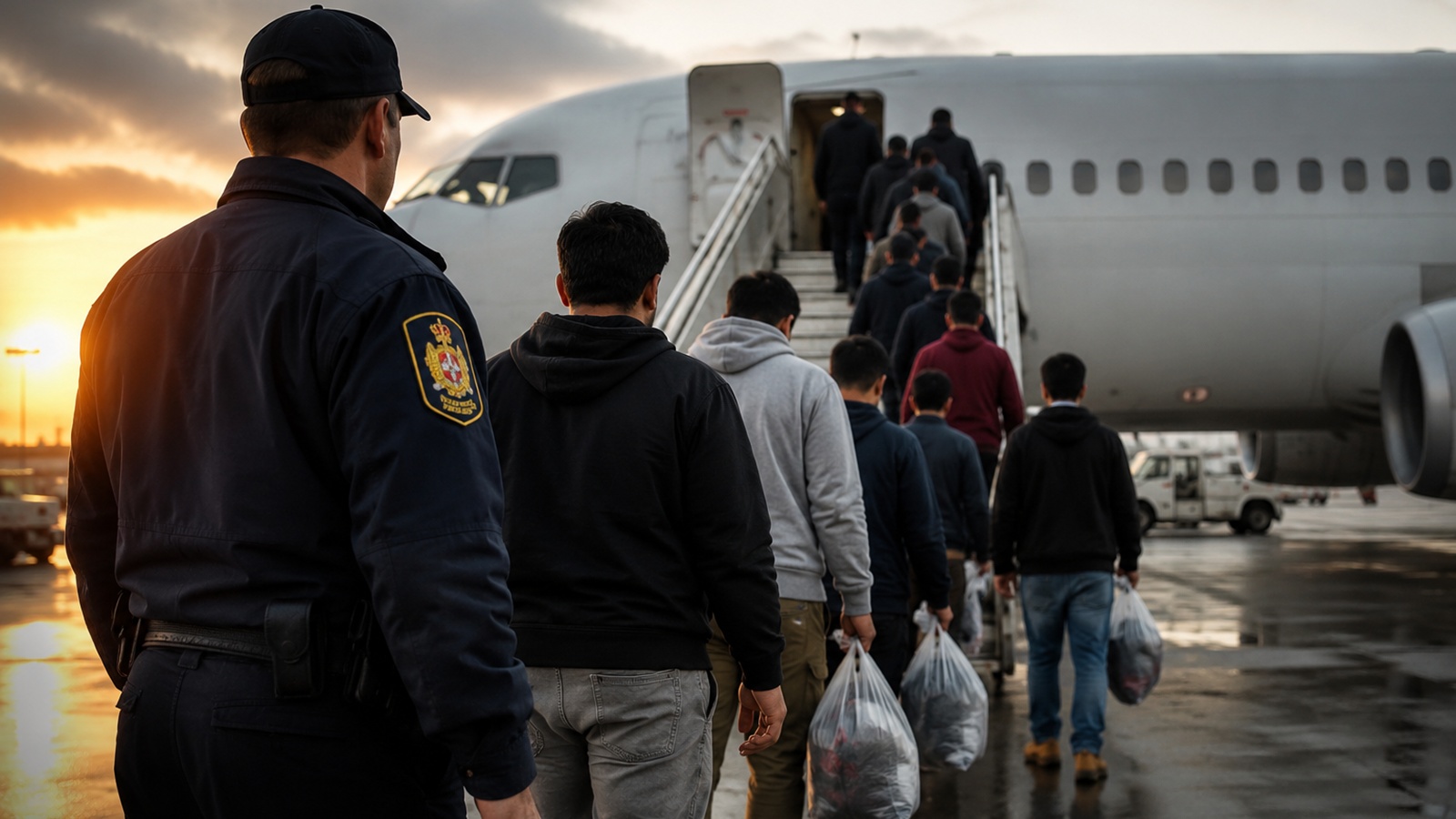
After securing PhDs in Canada, Nandan Thakur and Esha Saha chose to return to India, citing social isolation, immigration anxiety, and the booming AI landscape in Bengaluru. Their story sparks a conversation on the 'Reverse Brain Drain' phenomenon.
- Social isolation and harsh winters in Edmonton contributed to a lack of belonging.
- Immigration paperwork and visa uncertainties created persistent mental stress.
- The rapid growth of India's AI ecosystem (IITs, Microsoft Research, Sarvam) provided a compelling professional draw.
In a move that has resonated with thousands of Indian students abroad, Nandan Thakur and his wife, Esha Saha, have decided to trade their Canadian residency for a life in Bengaluru. After spending several years pursuing their PhDs—with Nandan graduating from the prestigious University of Waterloo—the couple realized that the perceived 'dream life' in the West came with costs they were no longer willing to pay.
Currently serving as a postdoctoral researcher at Microsoft India in Bengaluru, Nandan detailed their journey in a reflective piece. He highlighted that while Canada offered academic prestige and high-paying opportunities, it failed to provide the social and emotional fulfillment they craved. Living in Edmonton, the couple struggled to find a compatible social circle, exacerbated by the city's brutal winters which often isolated residents indoors.
Why This Matters
BozokMedia analysis shows that we are witnessing a pivotal shift in the global talent migration pattern. The 'Reverse Brain Drain' is no longer just about retirement; it is driven by young, high-skilled professionals who see India not as a fallback, but as a frontier for innovation. The ability to impact millions through India's digital transformation is now outweighing the lure of a foreign passport.
"Personally, as an immigrant, we’ve unfortunately never completely felt that belongingness to the country."
Beyond the social aspect, the psychological toll of being an immigrant played a significant role. Nandan pointed out the constant anxiety surrounding visa renewals and immigration status—a stressor that affected not only them but many of their peers. This 'permanent uncertainty' contrasted sharply with the stability of being in one's home country.
Professionally, the tide has turned. The Indian AI research landscape is currently exploding. With the presence of Google DeepMind, IBM, and homegrown giants like Sarvam AI, alongside academic powerhouses like IISc and IITs, Nandan found that he could contribute to world-class research without leaving his homeland.
However, the transition was not without its hurdles. Upon arriving in Bengaluru, the couple experienced a 'reverse culture shock,' struggling with the city's notorious traffic and noise pollution. Yet, the joy of speaking their native language and being close to family far outweighed these urban inconveniences.
| Factor | Canada Experience | India (Bengaluru) Experience |
|---|---|---|
| Social Life | Isolation, Harsh Winters | Family, Friends, Vibrant Culture |
| Career Path | High Pay, Established Systems | Rapid AI Growth, High Impact Potential |
| Mental Well-being | Immigration Anxiety | Sense of Belonging & Stability |
Frequently Asked Questions
Q1: Was the decision to return to India purely professional?
No, it was a holistic decision involving social isolation in Canada, family ties in India, and the mental stress of immigration status.
Q2: What were the main challenges they faced after moving to Bengaluru?
The couple faced 'culture shock' in the form of extreme traffic congestion and excessive honking in the city.