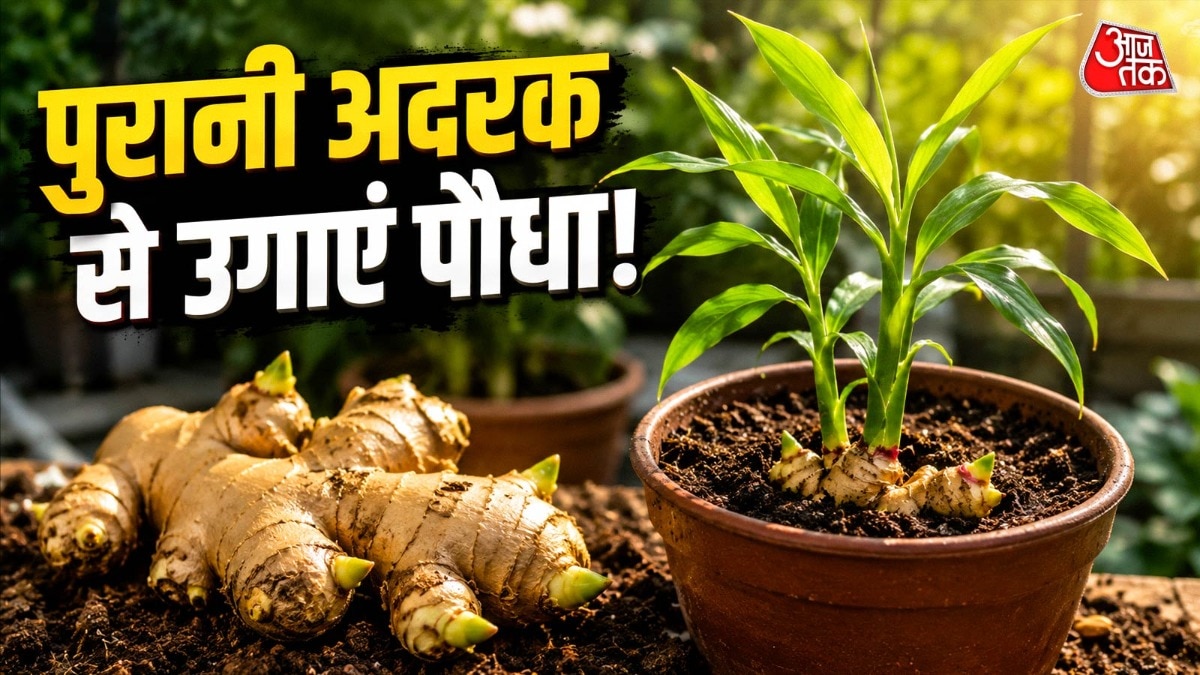
Don't throw away that old, sprouting ginger in your kitchen! Learn how to transform it into a thriving plant and enjoy fresh ginger all year round.
- You don't need seeds; use old ginger rhizomes with visible sprouts (nodes).
- Ideal soil mix: 50% normal soil, 25% coco peat, and 25% organic compost.
- Use wide pots rather than deep ones to allow rhizomes to spread horizontally.
- Avoid direct harsh sunlight; prefer filtered or partial shade.
Ginger is a staple in kitchens worldwide, used in everything from morning teas to medicinal decoctions. However, market prices for ginger can fluctuate wildly. Instead of relying on expensive market supplies, you can cultivate your own. BozokMedia analysis shows that indoor gardening is becoming a primary way for urban households to ensure food security and access to pesticide-free spices.
Preparing the Perfect Soil Mix
The secret to a successful ginger harvest lies beneath the surface. Ginger rhizomes need loose, well-draining soil to expand without resistance. A heavy soil can suffocate the plant. For the best results, create a mixture consisting of 50% garden soil, 25% coco peat for moisture retention, and 25% organic manure for essential nutrients. This ensures the soil remains aerated and nutrient-rich.
Pot Selection and Planting Technique
A common mistake beginners make is choosing a deep pot. Unlike carrots, ginger does not grow deep into the earth; instead, it expands horizontally near the surface. Therefore, a wide pot or a grow bag (10-12 inches wide) is much more effective. When planting, place the ginger piece in a shallow hole with its 'eyes' or sprouts facing upwards, then cover lightly with soil.
The key to ginger cultivation is consistency in moisture without causing waterlogging, which can lead to rot.
Sunlight and Watering Requirements
Ginger plants are somewhat sensitive to environmental extremes. They thrive in indirect sunlight. Aim to place your pot in a location that receives about 2 to 3 hours of mild morning sunlight. Avoid placing it under the scorching afternoon sun, as this can wilt the delicate leaves. Regarding water, use a spray bottle initially to keep the soil moist, and only water when the top layer feels dry to the touch.
Historical Context
Ginger (Zingiber officinale) has been cultivated for thousands of years for its culinary and medicinal properties. As a rhizome, it is a natural survivor, capable of regenerating from small fragments, making it one of the easiest plants for home gardeners to master.
Why This Matters
In an era of rising inflation and concerns over food adulteration, growing your own spices provides a sense of autonomy. It reduces your carbon footprint and ensures that the ginger in your tea is as fresh as possible.
Frequently Asked Questions
1. Can I use any ginger from the grocery store?
Yes, as long as it is not rotten. Look for ginger that has small bumps or sprouts appearing on it.
2. Why is my ginger plant turning yellow?
Yellowing leaves are often a sign of overwatering or too much direct sunlight. Check the soil moisture and move it to a shadier spot.