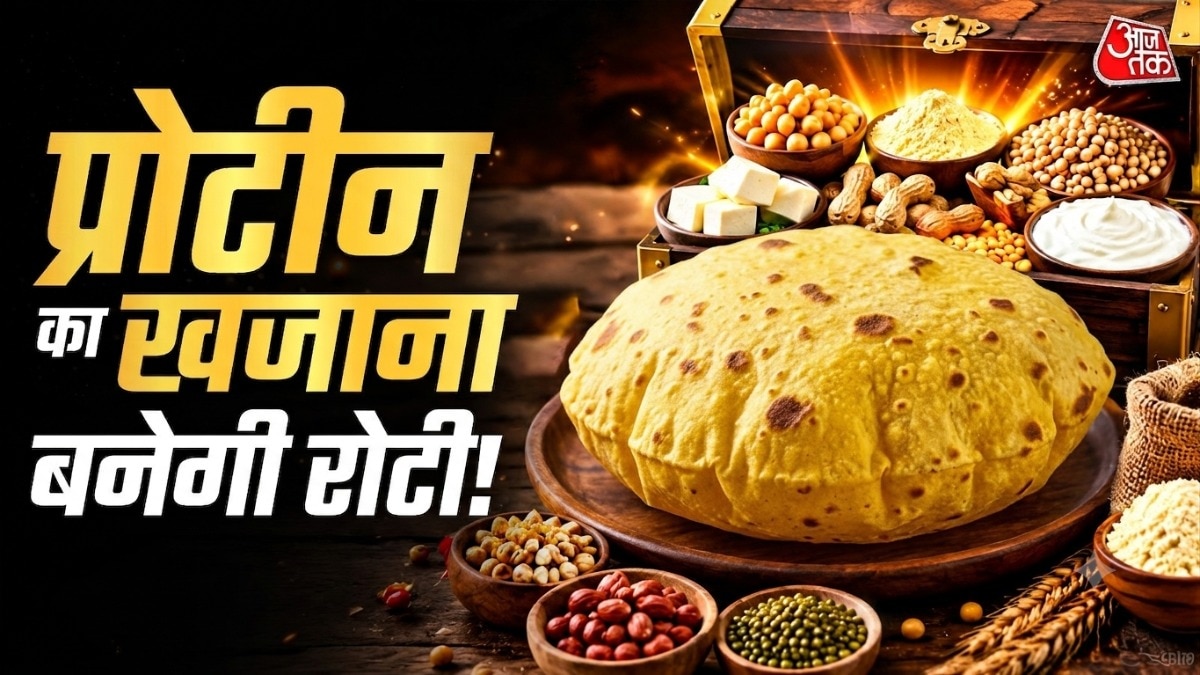
Don't abandon your staple roti to meet your protein goals. Learn how simple additions like gram flour, soy, and lentils can transform your plain wheat bread into a nutrient-dense meal.
- Mix besan (gram flour) or soy flour with wheat flour to boost protein.
- Incorporate Moong dal or Sattu for an extra nutritional punch.
- Use paneer or peanut stuffing to enhance both taste and protein content.
- Pair roti with yogurt, lentils, or legumes for a complete amino acid profile.
In the Indian subcontinent, Roti is more than just food; it is a dietary staple present in almost every meal. However, a common nutritional gap in vegetarian diets is the insufficient protein content in plain wheat-based rotis. Many fitness enthusiasts mistakenly opt to cut out carbs entirely, missing out on the essential energy provided by whole grains.
The key to a healthy lifestyle is not deprivation, but smart substitution. By making minor adjustments to your flour mix, you can significantly upgrade the biological value of your daily meals without changing your eating habits drastically.
Smart Ways to Boost Protein
1. The Power of Besan: Gram flour (Besan) is naturally rich in protein. Integrating a portion of besan into your wheat flour is an easy way to add substance and flavor. Adding spices like ajwain can further enhance the digestive properties.
2. Soy Flour Integration: Soy is widely recognized as a complete protein source. Adding a controlled amount of soy flour to your dough can increase satiety and protein density. However, moderation is key to maintaining the desired texture of the roti.
3. Legumes and Sattu: Using ground Moong Dal or the traditional Sattu (roasted gram flour) can turn a simple flatbread into a high-protein meal. Sattu, in particular, is an ancient superfood known for its cooling properties and high energy yield.
Why This Matters
BozokMedia analysis shows that most urban populations struggle with protein deficiency despite consuming high calories. Modifying staple foods like roti is a sustainable, cost-effective, and culturally seamless way to address this nutritional crisis.
Strategic fortification of staple foods is the most effective way to combat widespread micronutrient and protein deficiencies in large populations.
For those who prefer flavor variety, Paneer stuffing or crushed peanuts can provide both healthy fats and proteins. Furthermore, the synergy of eating roti with curd (dahi), chickpeas, or rajma ensures a complete protein profile through complementary amino acids.
Frequently Asked Questions
Q1: Will adding soy flour make the roti taste bitter?
A1: Not if used in moderation. A 10-20% ratio of soy flour to wheat flour maintains a pleasant taste.
Q2: Is it better to eat stuffed roti or mixed dough?
A2: Both are excellent; mixed dough is more convenient, while stuffed roti offers higher flavor variety.