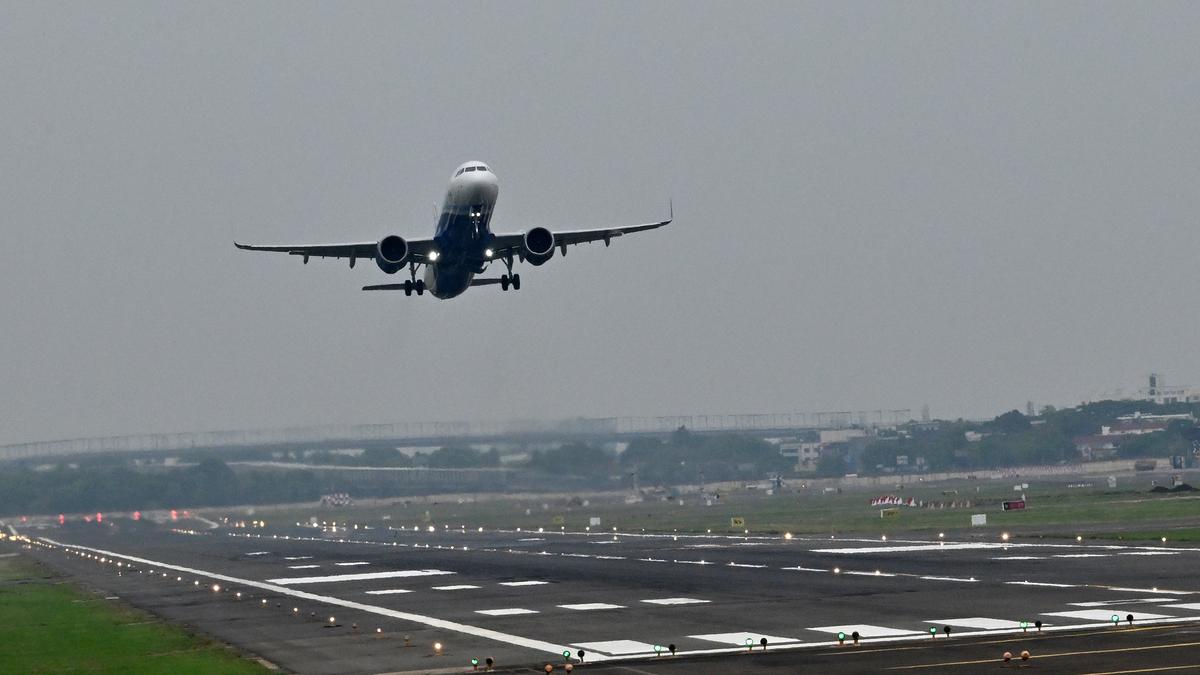
In a major move to ease travel, India will stop stamping physical boarding passes for international passengers starting September 1. Travelers will now use e-boarding passes on smartphones for immigration.
- Boarding pass stamping for international travelers will cease on September 1.
- Passengers must present e-boarding passes on smartphones for immigration clearance.
- The Bureau of Immigration (BOI) under the Ministry of Home Affairs issued the directive.
- Physical boarding passes will still be accepted but will not be stamped.
In a significant move to streamline international travel, India is set to modernize its immigration procedures. Starting September 1, passengers flying out of Indian airports will no longer be required to have their physical boarding passes stamped by immigration authorities. This decision aims to reduce passenger inconvenience and enhance the efficiency of airport operations.
The Bureau of Immigration (BOI), operating under the Ministry of Home Affairs (MHA), communicated this directive to airport authorities after identifying systemic issues with the manual stamping process. Officials noted that improper or incorrect stamping often led to errors when reading boarding passes, causing unnecessary delays during immigration clearance.
Why This Matters
BozokMedia analysis shows that this shift towards a paperless, digital-first approach is crucial for managing the increasing volume of international travelers in India. By replacing manual stamping with e-boarding passes, the government is reducing the risk of human error and significantly cutting down the time spent at immigration counters, leading to a smoother transit experience.
Transitioning to digital-only verification is a vital step in aligning India's aviation infrastructure with global digital standards.
While the mandatory stamping is being abolished, authorities clarified that physical boarding passes will still be accepted at counters. However, they will simply be presented for visual verification without the need for an ink stamp. It is also worth noting that the Central Industrial Security Force (CISF) had already stopped stamping boarding passes during security frisking several years ago.
Historical Background
For decades, the physical stamp on a boarding pass served as a critical proof of transit and identity. As the aviation industry moved toward digital integration, the reliance on physical documents began to fade. This latest directive represents the final stage of moving away from legacy paper-based verification systems in favor of secure, digital alternatives.
Frequently Asked Questions
Question 1: Do I need to print my boarding pass if I don't want to use my phone?
Answer: You can still use a printed pass, but it will not be stamped by immigration officials.
Question 2: Is this change applicable to domestic flights as well?
Answer: This specific directive focuses on international travelers at immigration counters; domestic procedures remain governed by existing security protocols.