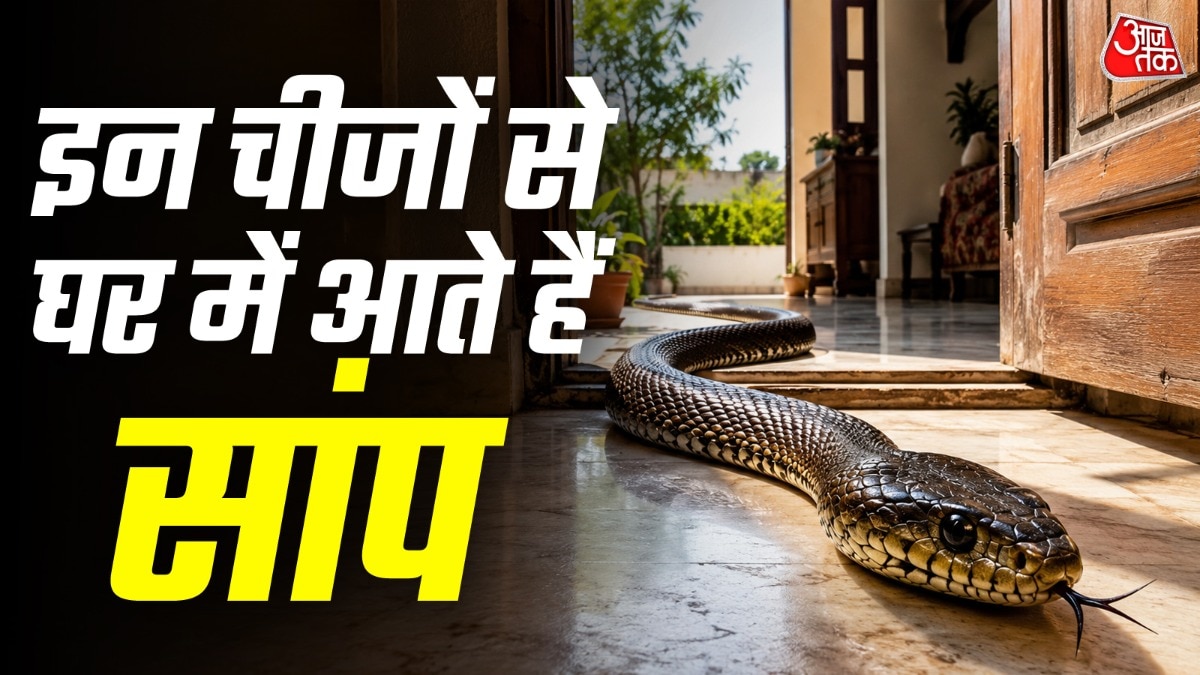
Think snakes only live in forests? Think again. Certain scents in your home could be acting as an invitation for snakes to enter.
- Snakes have an extraordinary sense of smell used to track prey and shelter.
- The scent of rodents, birds, and decaying organic matter attracts snakes.
- Dampness and moisture create ideal hiding spots for reptiles.
- Regular pest control and cleanliness are vital for snake prevention.
A common misconception is that snakes only reside in dense jungles, thickets, or remote gardens. However, many household elements can inadvertently act as a magnet, drawing snakes from the wild directly into your living space. This issue becomes particularly prevalent during the monsoon and summer seasons when reptiles seek new territories.
The Science of Snake Scent Detection
Snakes possess a highly sophisticated olfactory system. Rather than relying solely on a nose, they use their tongues to pick up chemical particles from the air, delivering them to the Jacobson's organ in the roof of their mouth. This allows them to pinpoint the exact location of prey or a potential nesting site with incredible precision. If your home smells of rodents or dampness, you may be unknowingly hosting a biological signal for snakes.
Why This Matters
BozokMedia analysis shows that as urban sprawl encroaches upon natural habitats, the boundary between wildlife and human dwellings is blurring. Understanding the sensory triggers of these animals is no longer just for biologists; it is a crucial component of modern home safety and pest management.
Controlling the food source, such as rodents and insects, is the single most effective way to prevent snake incursions.
Primary Attractants in the Home
Several factors can turn your home into a target for snakes:
- Rodents and Lizards: The scent of mouse urine and droppings is a direct signal to snakes that a food source is nearby.
- Pet Waste and Feed: If you keep birds, rabbits, or poultry, the smell of their feed and excrement can easily be detected by snakes.
- Decaying Organic Matter: Piles of dry leaves, rotting wood, or accumulated trash in gardens provide the perfect camouflage and scent profile for snakes.
- Egg Scents: The smell of eggs in bird nests can lure snakes through walls, ceilings, or vents.
Preventative Measures and Safety Tips
To safeguard your home, it is essential to eliminate the attractants. First, ensure professional pest control is used to manage rodent populations. Second, address moisture issues; damp basements and bathrooms provide the humid environment snakes crave.
| Risk Factor | Prevention Method |
|---|---|
| Rodents & Insects | Regular Pest Control |
| Moisture & Dampness | Improve Drainage & Ventilation |
| Debris & Yard Waste | Regular Gardening & Cleaning |
Additionally, applying a light spray of phenyl or kerosene near entry points like drains and doorways can act as a deterrent due to the sharp, unpleasant odor for reptiles. Keeping your lawn trimmed short also removes the hiding spots they rely on.
Frequently Asked Questions
1. Do snakes only enter homes looking for darkness?
No, while they like dark places, they are primarily driven by the search for food (rodents/frogs) and moisture.
2. How can I make my garden less attractive to snakes?
By removing piles of dry leaves, keeping grass short, and ensuring there is no standing water or rotting debris.


