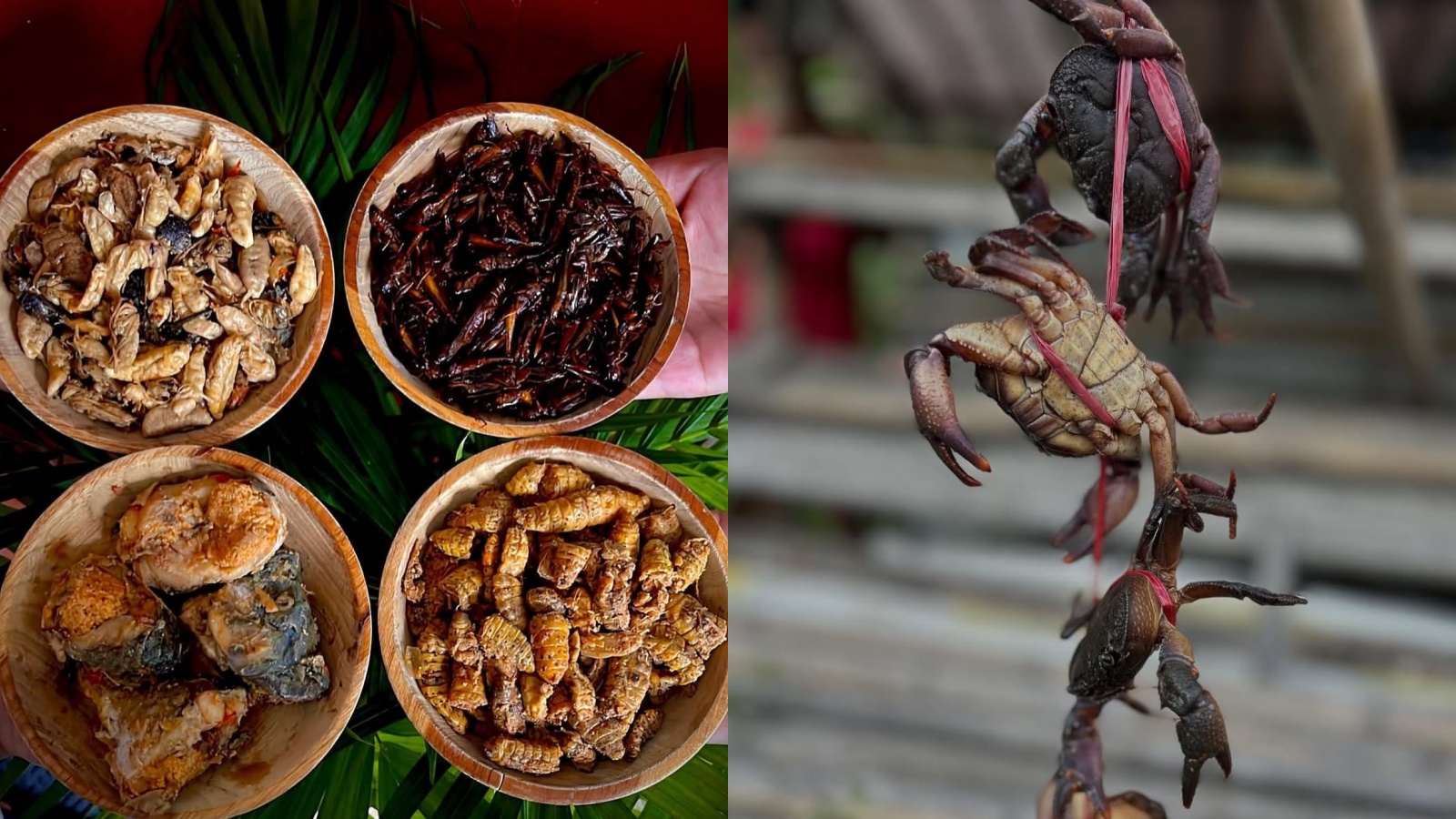
Nagaland Tourism Minister Temjen Imna Along warned that the state’s unconventional delicacies are ‘not for the weak‑hearted’, sparking a lively debate on social media about the region’s wild culinary heritage.
- Nagaland’s traditional thali features crabs, silkworms and river fish.
- The minister labeled the cuisine as ‘not for the weak‑hearted’.
- These dishes have been integral to Naga culture for generations.
Nagaland Tourism Minister Temjen Imna Along recently posted on X (formerly Twitter) that the state’s gastronomic experience “is not for the weak‑hearted.” The post showcased vivid images of crabs, silkworms, fish and a classic Naga thali—foods that can appear wild to outsiders.
Along wrote, “What looks wild on the plate has been part of our food culture for generations. Come hungry. Leave braver!” The statement quickly went viral, provoking mixed reactions across the platform.
One commentator noted, “Honestly, it’s more nutritious than chole bhature; the rest is an acquired taste and historical preference.” Another user replied, “We no longer live in forests; we can stay healthy on grains, fruits, and vegetables.” A third voice highlighted the commercial potential: “The North‑East is a gastronomic wonderland waiting to be discovered. Entrepreneurs can open NE‑food restaurants in major cities.”
Historical Background
Nagaland’s culinary tradition dates back centuries, relying on locally sourced wild game, insects, and river fish due to limited agricultural options in the hilly terrain. These protein‑rich foods formed the backbone of nutrition for tribal communities, and many recipes—such as the organic vegetable stew “Hansuli”—remain staples in village kitchens today.
Why This Matters
BozokMedia analysis shows that Nagaland’s distinct food culture not only boosts tourism but also empowers local farmers and micro‑entrepreneurs, creating a sustainable economic model rooted in heritage. Highlighting such regional flavors enriches India’s overall culinary diversity and opens new pathways for inter‑state tourism.
“Embracing wild‑source foods promotes both environmental sustainability and local economic resilience,” says food‑systems expert Dr. Sumit Kumar.
Frequently Asked Questions
Q1: Are these wild dishes available in mainstream restaurants?
A: They are primarily served in rural eateries and specialty Naga restaurants; major city venues usually feature them only during cultural events.
Q2: What is the nutritional value of these ingredients?
A: Crabs, silkworms and river fish are rich sources of protein, omega‑3 fatty acids, and vitamin B12, offering a balanced diet for active lifestyles.