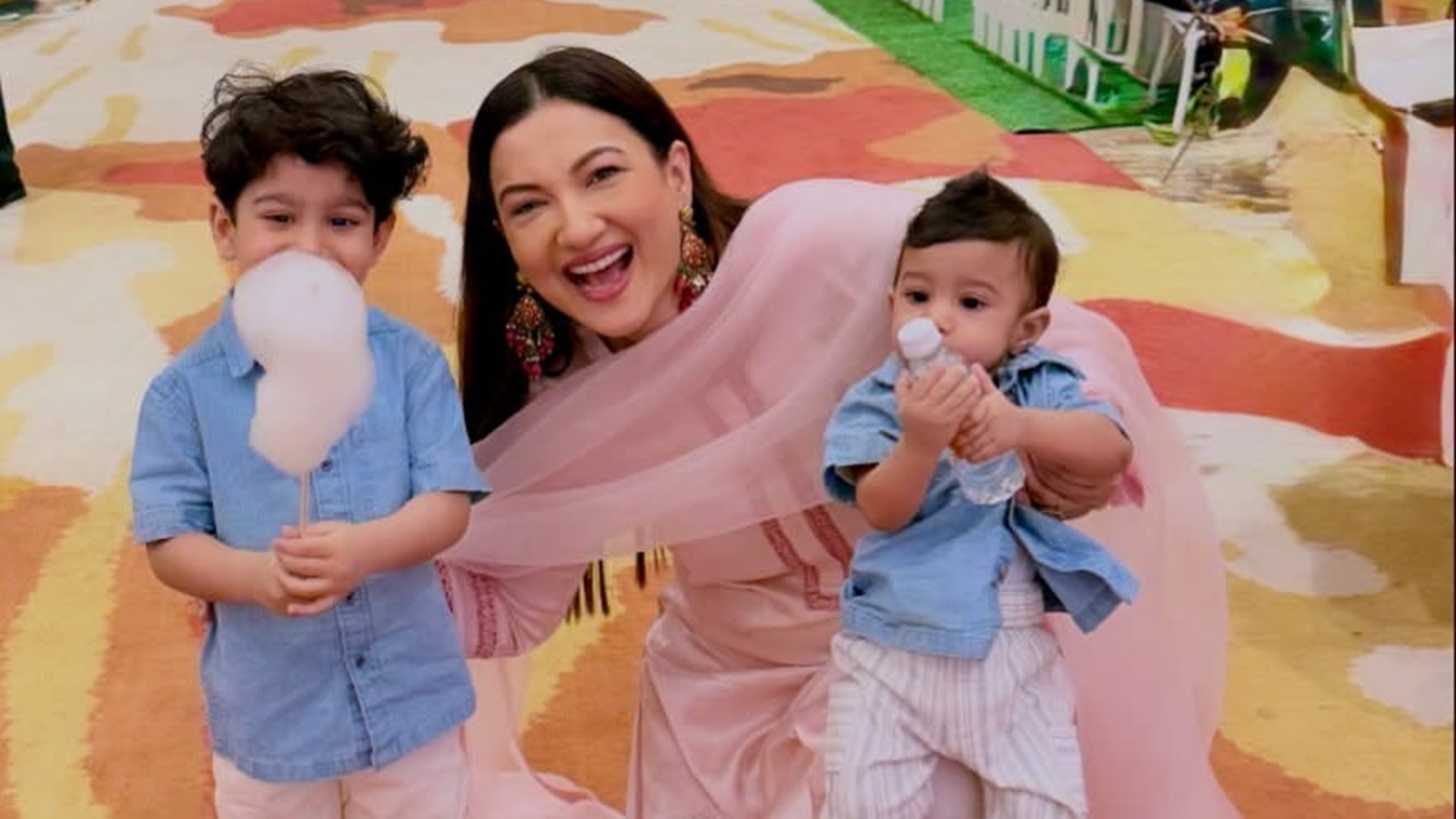
In a candid podcast session, actress Gauahar Khan discussed the immense pressure of parenting and why modern mothers find it difficult to let go of control even when receiving help.
- Gauahar Khan highlighted the psychological pressure to maintain control over parenting styles.
- Experts suggest that the difficulty in accepting help stems from societal judgment and a lack of trust.
- Motherhood involves significant 'invisible labor' and patriarchal scrutiny.
Acclaimed actress Gauahar Khan recently engaged in a deeply personal conversation regarding the complexities of motherhood on her podcast, Two Plus One Is Five. Alongside content creator Aanam C, Khan delved into the nuances of balancing personal autonomy with the demands of raising a child.
During the discussion, Khan admitted to the instinctual need to oversee even assisted tasks. "I have nannies, but I have taught them the ways I want them to get things done," she remarked, illustrating the fine line between seeking help and maintaining parental standards.
Why This Matters
BozokMedia analysis shows that the modern parenting landscape is fraught with a unique paradox: while physical assistance (like nannies) is more accessible than ever, the mental load on mothers remains at an all-time high due to societal expectations of perfection.
What looks like a mother’s difficulty in accepting help is actually a difficulty in trusting the impact of that help.
Providing a professional perspective, Lavina Nanda, Head of Developmental Services at Children First, Delhi, explained that motherhood is often laden with 'invisible labor.' She noted that women frequently face intense scrutiny and judgment, which can make seeking support feel like an admission of failure rather than a practical necessity. This is often exacerbated by deeply entrenched patriarchal norms that question a woman's autonomy.
Historical Background: The Evolution of Motherhood
Historically, the role of a mother has been idealized as one of absolute self-sacrifice. In many cultures, a woman's worth was directly tied to her ability to manage a household and children without external aid. While modern society has shifted toward recognizing the need for support systems, the cultural stigma surrounding 'outsourcing' caregiving still lingers, creating a sense of isolation for many new mothers.
Frequently Asked Questions
1. What was Gauahar Khan's main point about nannies?
She mentioned that while she employs help, she ensures they follow her specific methods to maintain her standards of care.
2. Why do experts say mothers struggle to accept help?
Experts suggest it is due to the fear of being judged as 'incapable' and the weight of societal expectations.