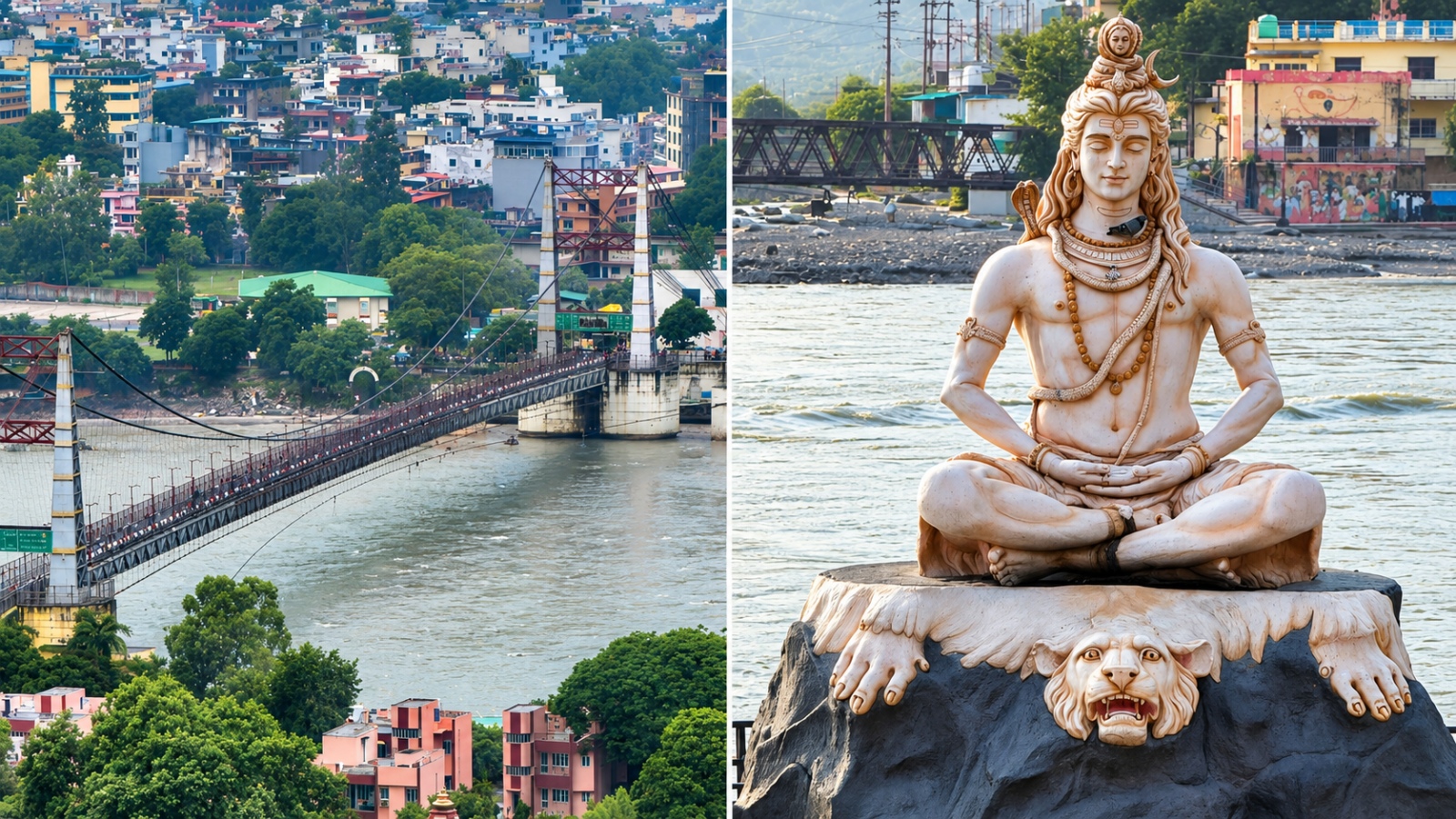
Exploring the spiritual heart of Uttarakhand, a seasoned traveler reflects on how repeated visits to Rishikesh transformed her from a protected youth into a confident, independent adult.
- Rishikesh serves as a catalyst for personal growth and independence for solo travelers.
- The city offers a unique blend of spiritual introspection and a modern bohemian cafe culture.
- Infrastructure changes, such as the closure of Lakshman Jhula and the rise of Bajrang Setu, are altering the tourist experience.
For many, travel is merely a checklist of monuments and photographs. However, for Himakshi Panwar, the spiritual town of Rishikesh in Uttarakhand has evolved into a sanctuary for introspection and a second home. Her journey began in 2019 at the age of 23, marking a pivotal transition from the sheltered environment of parental care to the challenging reality of independence.
The initial visit to Rishikesh was more than a vacation; it was a 'leap of faith.' Walking along the ghats of the Ganges, Panwar discovered the art of pausing—a mental tool she still employs today to combat the overwhelming nature of urban life. These early experiences taught her to shed inhibitions and engage with strangers, breaking preconceived notions and embracing an open-minded approach to existence.
Why This Matters
BozokMedia analysis shows that Rishikesh is shifting from being purely a pilgrimage site for the elderly to a 'wellness and digital nomad hub' for Gen Z and Millennials. The rise of riverside cafes like the Freedom Cafe indicates a trend where young professionals blend remote work with spiritual exploration, creating a new hybrid form of tourism that prioritizes mental health over sightseeing.
By 2024, Panwar returned as a seasoned traveler, no longer needing a rigid itinerary. Her days were spent in a rhythmic balance of productivity and leisure—working from cafes, socializing with eclectic crowds, and enjoying the simple pleasure of a vanilla softie under old-fashioned street lights. This familiarity and sense of safety are what draw many repeat visitors back to the foothills of the Himalayas.
"Travel is not about the destination, but the internal shift that occurs when you step outside your comfort zone and face the world alone."
In August 2026, the journey evolved again as Panwar returned not as a solo explorer, but as a guide for a friend. This transition allowed her to view the city through fresh eyes, balancing the 'bohemian buzz' with lesser-known local secrets. The trip also highlighted the changing landscape of the city, specifically the permanent closure of the iconic Lakshman Jhula and the introduction of the Bajrang Setu and a new glass-floor suspension bridge.
The experience of crossing the narrow, crowded bridges of the past—often accompanied by prayers for safety—contrasts sharply with the modern, pedestrian-focused infrastructure now being implemented. While some tourists miss the nostalgic charm of the old iron bridges, the shift toward safety and visual appeal (like the glass bridge) marks a new era for Uttarakhand's tourism.
Frequently Asked Questions
Q1: Is Rishikesh safe for solo female travelers?
Yes, the author's experience highlights that Rishikesh provides a safe and welcoming environment that encourages independence and self-growth.
Q2: What are the best alternatives to Lakshman Jhula now?
Visitors can now use the Bajrang Setu or experience the modern glass-floor suspension bridge for panoramic views of the Ganges.