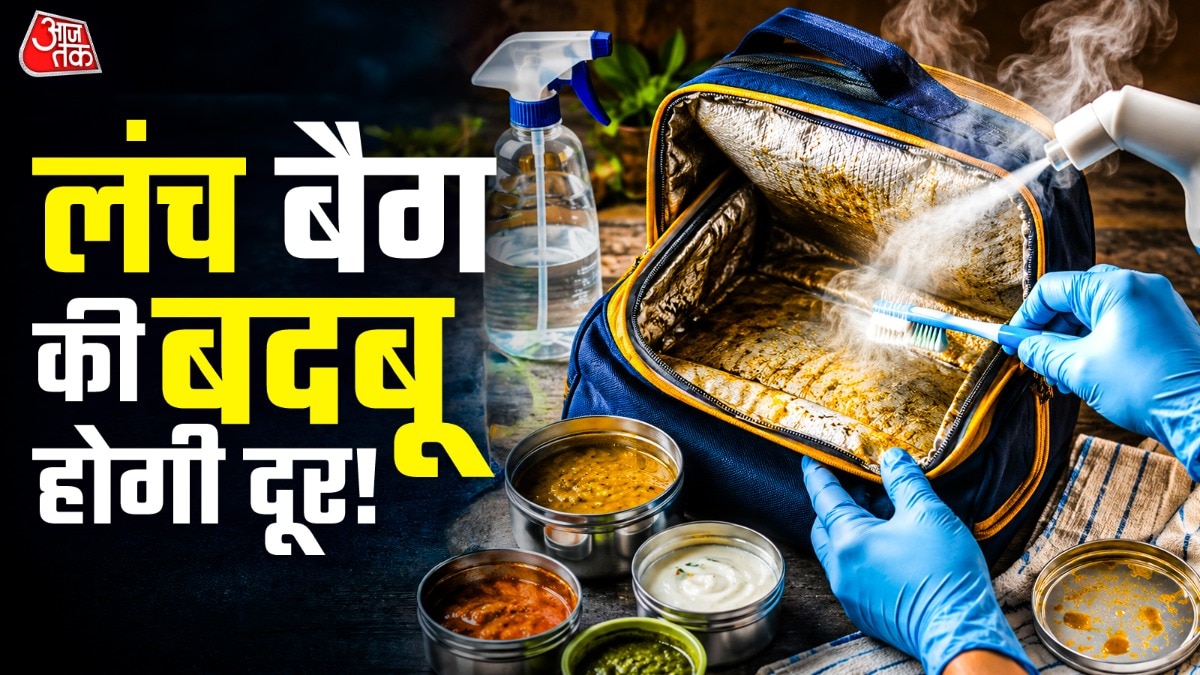
Learn practical, water‑free techniques to remove food stains and odors from lunch bags. These three methods keep your bag fresh and hygienic for longer.
- Use a toothbrush and mild soap to clean corners and zipper edges.
- Apply enzyme cleaner to dairy or lentil spills, ensuring material compatibility.
- Steam the interior of thermal bags for effective odor elimination.
Introduction
Lunch bags are ubiquitous in schools and offices. Repeated use leads to hidden grime and moisture that breed odors and bacteria. Many users seek water‑free cleaning methods because some bags aren’t designed for soaking.
Hidden Dirt’s Impact
Simply wiping the exterior is insufficient; crumbs and food particles often lodge in corners, seams, and zipper pulls. These remnants dry and produce a persistent smell. A toothbrush dipped in mild soap can dislodge these particles effectively.
Using Enzyme Cleaners for Dairy Stains
After soap and water, dairy or yogurt residues may still linger. Enzyme‑based cleaners break down proteins and eliminate odor. Always check that the cleaner is safe for the bag’s material before application.
Steam Cleaning for Thermal Bags
Insulated or thermal bags shouldn’t be submerged in water. Light steam from a garment steamer or a hot water source can clean the interior without damaging the lining. Allow the bag to dry completely before closing.
Why This Matters
BozokMedia analysis shows that maintaining a clean lunch bag reduces odor and lowers the risk of foodborne illnesses—critical for children’s health and overall hygiene.
"Proper cleaning not only extends a bag’s life but also ensures a safer eating environment," – Dr. Radha Sharma, Public Health Expert.
Frequently Asked Questions
Q1: Can I put my lunch bag in the dishwasher?
A1: No, most lunch bags are made of plastic or fiber and can be damaged by dishwasher heat.
Q2: How often should I use enzyme cleaner?
A2: Once a week or whenever visible stains appear.
Conclusion
By following these simple, water‑free techniques, you can keep your lunch bag fresh and odor‑free while extending its lifespan and safeguarding health.