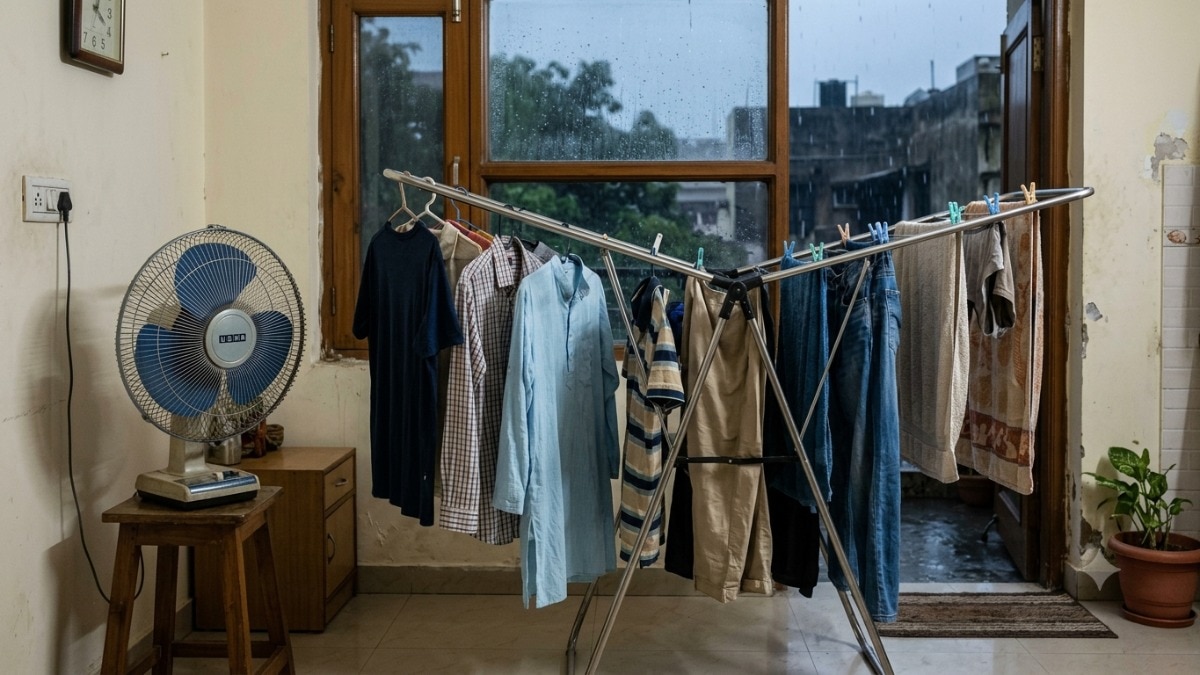
High humidity during the rainy season can leave your laundry smelling damp and unpleasant. Discover the science behind the odor and professional tips to keep your garments fresh.
- High humidity prevents complete drying, leading to bacterial growth.
- Proper airflow and immediate removal from washing machines are crucial.
- Regular maintenance of washing machines and cupboards prevents odor recurrence.
The monsoon season brings much-needed relief from the heat, but it also introduces a persistent problem for household management: musty-smelling clothes. Even after a thorough wash, many find their garments emitting a damp, unpleasant odor that is difficult to mask with perfume.
The Science Behind the Odor
The primary culprit is the surge in atmospheric humidity. During the monsoon, the air is saturated with moisture, which significantly slows down the evaporation process. When fabrics remain damp for extended periods, they become a breeding ground for microorganisms, bacteria, and mildew. These microbes produce metabolic byproducts that result in that characteristic 'wet dog' or musty smell, especially in heavy fabrics like denim, towels, and bed linens.
Why This Matters
BozokMedia analysis shows that managing laundry during high-humidity months is not just about aesthetics; it is a matter of hygiene. Trapped moisture and bacterial growth in clothing can lead to skin irritations and allergic reactions in sensitive individuals.
Effective moisture management and rapid drying are the two most critical factors in preventing monsoon laundry odors.
Practical Solutions for Fresh Laundry
To combat this seasonal challenge, experts recommend several strategic adjustments to your laundry routine:
- Immediate Extraction: Never leave wet clothes sitting in the washing machine after the cycle ends. This is the most common cause of bacterial buildup.
- Optimize Airflow: If drying indoors, use electric fans and keep windows open to facilitate air circulation. Avoid overcrowding your drying racks, as tight spacing prevents moisture from escaping.
- Precision Drying: Pay special attention to thick areas like waistbands, collars, and pockets. Storing even slightly damp clothes in a cupboard will guarantee a musty smell.
Maintenance of Appliances and Storage
A clean machine is essential for clean clothes. Washing machine residue—a mix of detergent, dirt, and moisture—can cause odors to transfer to new loads. Regularly clean the drum and leave the door open after use to allow the interior to air out. Similarly, ensure your wardrobes are dry and well-ventilated, potentially using moisture-absorbing sachets to maintain a dry environment.
Frequently Asked Questions
1. Can I use fabric softener to hide the smell?
No, fabric softeners often mask the smell temporarily but can trap moisture and bacteria inside the fibers, making the problem worse in the long run.
2. How should I handle towels?
Towels should always be spread out fully after use. Never leave them in a crumpled pile, as they retain the most moisture of any household fabric.