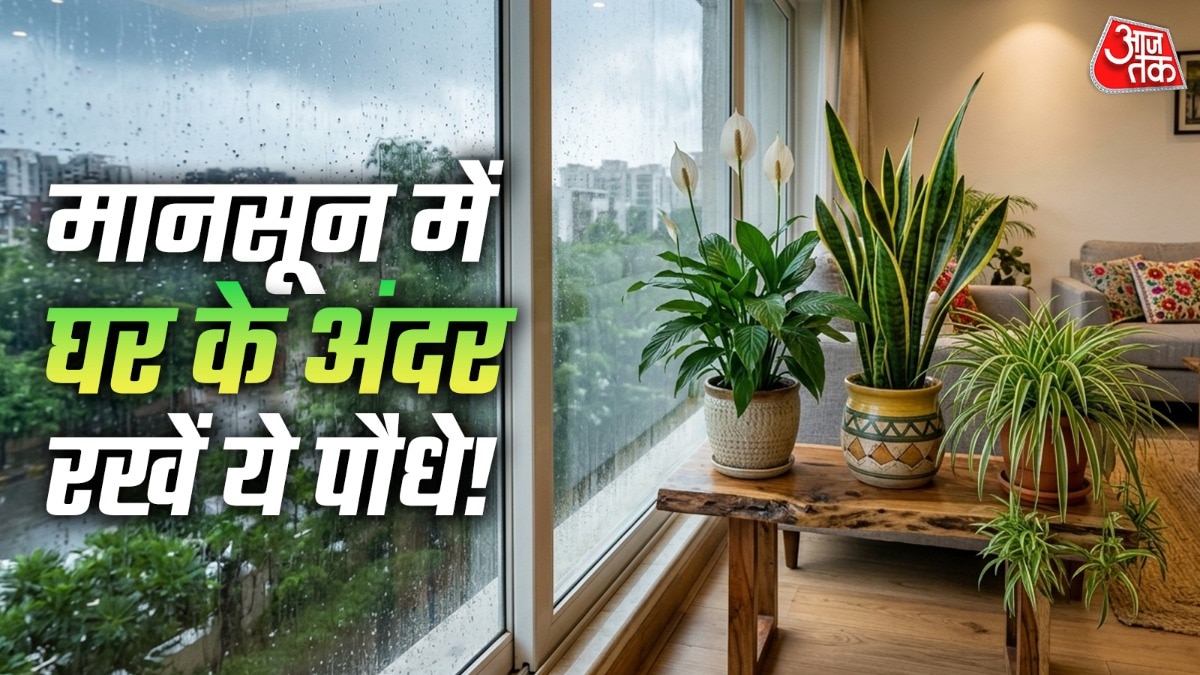
Struggling with humidity and damp smells this rainy season? Discover 5 essential indoor plants that naturally purify your air and keep your home fresh.
- Indoor plants serve as a natural solution to combat monsoon humidity and dampness.
- Species like Spider Plants and Snake Plants are excellent for air purification.
- Proper drainage is critical to prevent root rot during the rainy season.
- Plants work best when combined with good ventilation and moisture control.
While the monsoon brings relief from the scorching heat, it simultaneously introduces high levels of humidity and dampness inside our homes. When windows and doors remain closed for extended periods due to continuous rain, rooms, bathrooms, and corners often develop a musty odor and even mold. While many resort to expensive air fresheners, incorporating indoor plants can provide a natural, aesthetic, and effective way to refresh your living space.
Top 5 Indoor Plants for the Monsoon Season
To enhance both the beauty and the air quality of your home, consider these five varieties:
1. Spider Plant
The Spider Plant is a hardy choice for Indian households, requiring minimal maintenance. It thrives in indirect sunlight near windows or balconies. During the monsoon, avoid overwatering; ensure the top layer of soil is dry before adding more water.
2. Peace Lily
Known for its elegant white blooms, the Peace Lily is an expert at absorbing toxins from the air. While it loves humid environments, ensure your pot has excellent drainage to prevent root rot caused by standing water.
3. Snake Plant
For those seeking low-maintenance greenery, the Snake Plant is unbeatable. It is a powerhouse of air purification, even releasing oxygen at night. Always check the soil moisture before watering during the rainy months.
4. English Ivy
With its beautiful trailing vines, English Ivy is perfect for hanging pots near windows. It adds a lush, green aesthetic to corners while helping to manage air circulation.
5. Boston Fern
The Boston Fern loves humidity, making it an ideal monsoon companion. Its dense foliage creates a fresh atmosphere, but avoid placing it in overly dark, stagnant corners where air circulation is poor.
Why This Matters
BozokMedia analysis shows that in modern urban apartments, trapped humidity can lead to respiratory discomfort and structural damage due to mold. Integrating specific plant species creates a micro-ecosystem that helps regulate moisture and improves psychological well-being through biophilia.
Choosing the right plant species and ensuring proper drainage is the key to a healthy, odor-free home during the monsoon.
Frequently Asked Questions
Q1: Can plants completely eliminate the smell of dampness?
A: Plants help neutralize odors and clean the air, but they should be used alongside proper ventilation and addressing any structural leaks.
Q2: How can I prevent my indoor plants from dying in the rain?
A: The most important factor is ensuring your pots have drainage holes and avoiding the habit of watering on a fixed schedule without checking the soil.