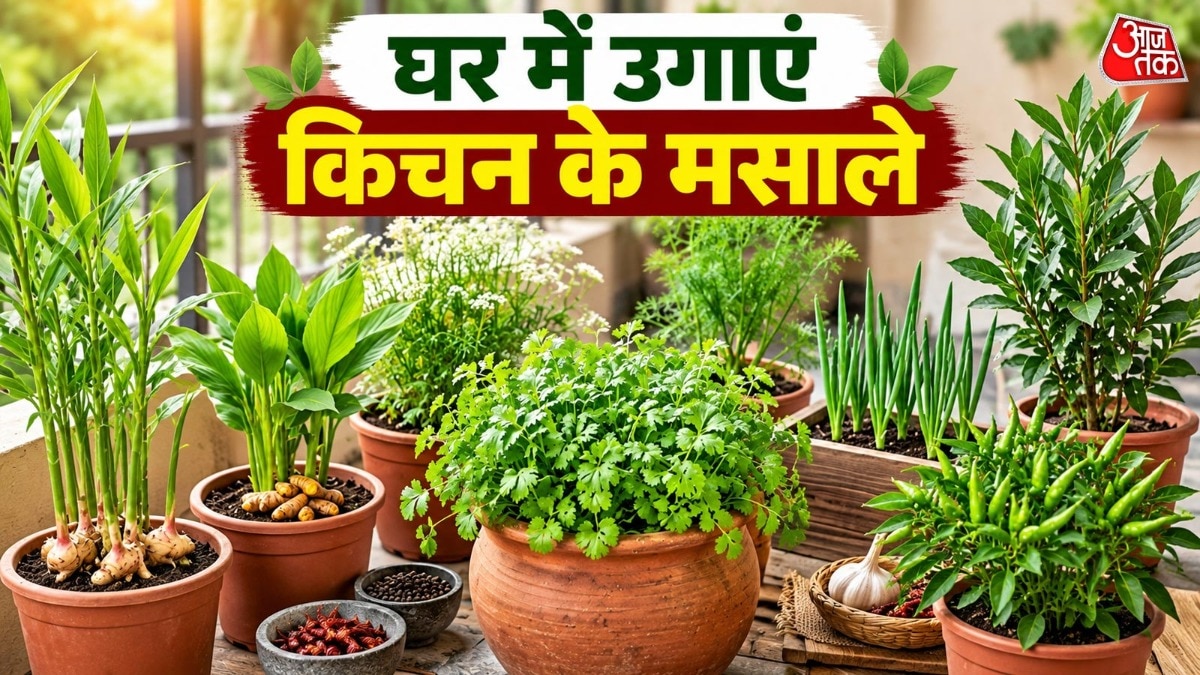
Transform your balcony into a mini spice garden! Learn how to grow turmeric, ginger, coriander, and more to save money and enjoy organic flavors.
- Growing spices at home reduces monthly grocery expenses significantly.
- Common spices like turmeric, ginger, and coriander can thrive in small pots or grow bags.
- Proper sunlight and moisture management are crucial for a successful harvest.
Indian cuisine is incomplete without its vibrant array of spices. From the golden hue of turmeric to the pungent kick of ginger and the freshness of coriander, these ingredients are staples in every household. However, with rising grocery costs, why not bring the spice garden to your own doorstep? Home gardening is proving to be a game-changer for urban dwellers looking to save money and eat healthier.
For those starting out, Turmeric and Ginger are incredibly easy to cultivate. Simply plant a piece of raw turmeric or ginger rhizome in well-draining soil. Ensure they receive about 5 to 6 hours of sunlight daily. While ginger requires a bit of patience as it takes several months to mature, the reward of fresh, organic ginger is unparalleled.
Why This Matters
BozokMedia analysis shows that the shift toward 'Hyper-local gardening' is a strategic response to food inflation and the growing awareness of pesticide-laden commercial produce. By cultivating your own spices, you gain complete control over the quality and purity of your food.
If you are looking for quick results, Coriander and Cumin (Jeera) are your best bets. Coriander can be grown in wide pots by scattering seeds directly into the soil. For Cumin, use a 10-inch pot filled with a mixture of soil, coco peat, sand, and organic compost. Fennel (Saunf) and Green Chillies also adapt well to container gardening, provided they get ample sunlight.
The aromatic potency of home-grown spices far exceeds anything you can find on a supermarket shelf.
For larger culinary needs, consider Bay Leaves (Tejpatta). Though they require a larger pot and more space, they are a permanent addition to your garden. Additionally, Garlic can be easily grown in trays or wide containers, providing you with fresh green garlic leaves for salads and chutneys.
| Spice | Planting Method | Key Requirement |
|---|---|---|
| Turmeric/Ginger | Plant rhizomes in soil | Sunlight & Moisture |
| Coriander | Scatter seeds in soil | Light moisture |
| Green Chilli | Nursery sapling or seeds | Full sunlight |
Frequently Asked Questions
1. Can I grow these spices in a small apartment balcony?
Absolutely! Most of these spices thrive in pots, grow bags, or even recycled containers, making them perfect for small spaces.
2. How often should I water my spice plants?
Watering depends on the weather, but the general rule is to keep the soil moist but never waterlogged.

