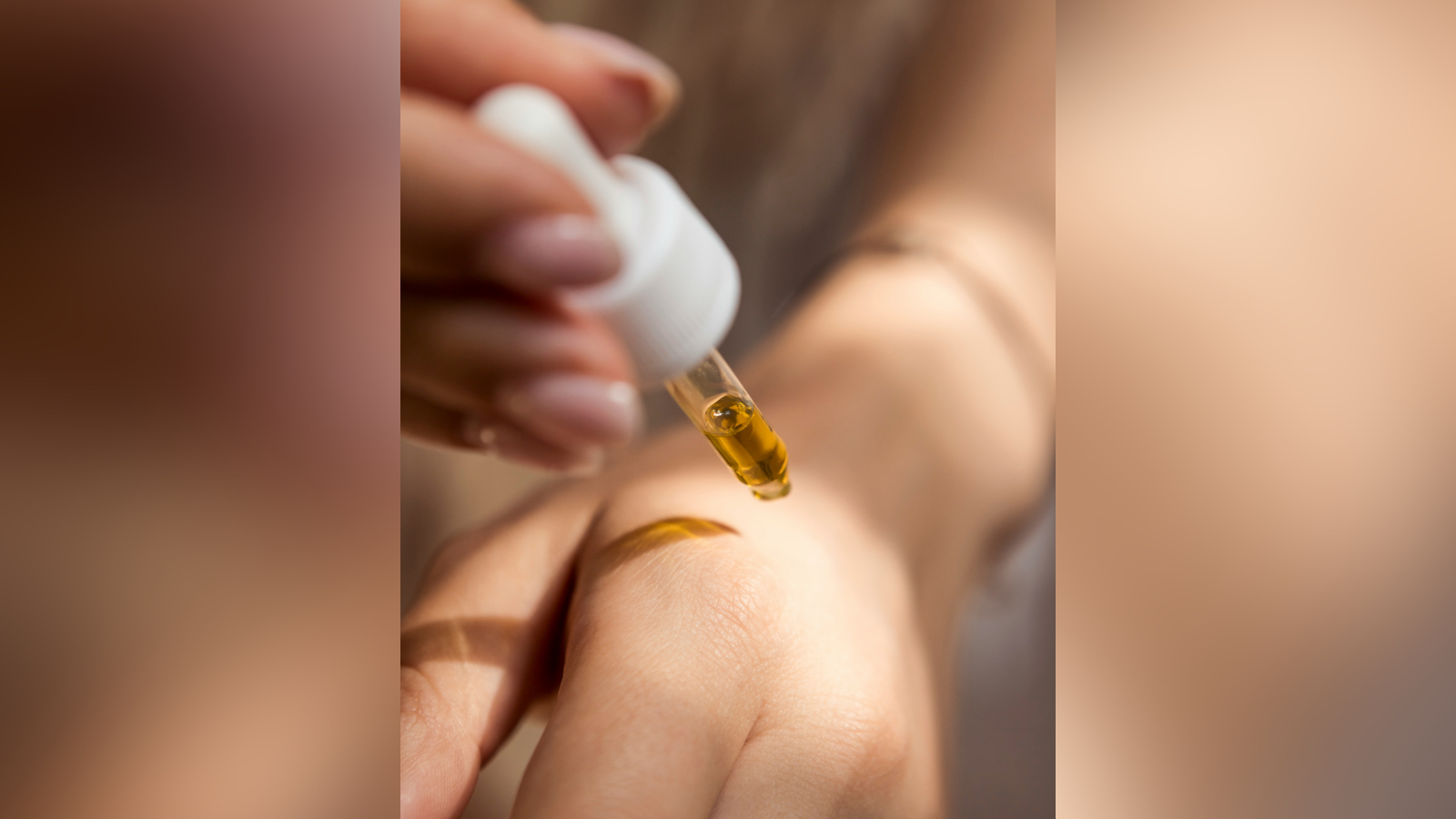
Gallic acid is stepping into the spotlight as a powerful antioxidant for combating photoageing and pigmentation. Discover if this natural compound is the right addition to your skincare routine.
- Gallic acid is a natural phenolic compound that protects skin from UV, blue light, and pollutants.
- It inhibits the tyrosinase enzyme, effectively reducing melanin formation and patchy pigmentation.
- Unlike AHAs, it is not an exfoliating acid but works through biological pathways to prevent ageing.
For years, Vitamin C, niacinamide, and retinoids have been the gold standard in dermatology. However, a new contender, Gallic Acid, is gaining significant traction. According to Raghvendra Sadashiva, Managing Director of Galderma India & South Asia, this naturally occurring antioxidant is becoming essential for protecting skin against modern environmental stressors.
Understanding Gallic Acid's Mechanism
Gallic acid functions by neutralizing free radicals generated by environmental pollutants and high-energy visible (HEV) light. Unlike many trending ingredients that offer superficial benefits, gallic acid works on a cellular level to mitigate oxidative stress, which is the primary driver of premature skin ageing and hyperpigmentation.
Why This Matters
BozokMedia analysis shows a strategic shift in the beauty industry toward "preventative dermatology." The rise of gallic acid signifies a move away from aggressive peeling and towards long-term barrier resilience, reflecting a more sophisticated understanding of skin health among global consumers.
"Gallic acid has a compelling body of laboratory research, but high-quality clinical evidence in humans is still limited compared with established ingredients like retinoids." - Dr. Akanksha Sanghvi, Dermatologist.
Comparison: Gallic Acid vs. Established Antioxidants
While some herald gallic acid as a gentler alternative to Vitamin C, experts suggest it serves a complementary rather than a replacement role. Vitamin C is renowned for collagen synthesis, whereas gallic acid excels in anti-inflammatory protection and melanin regulation.
| Feature | Vitamin C | Gallic Acid |
|---|---|---|
| Primary Goal | Brightening & Collagen | Oxidative Stress & Protection |
| Skin Reactivity | Can be irritating for some | Dependent on formulation stability |
| Mechanism | Direct Antioxidant/Stimulant | Tyrosinase Inhibition/Phenolic Protection |
Application and Safety Guidelines
Dr. Geeta Mehra Fazalbhoy emphasizes a gradual introduction of gallic acid into one's routine. For individuals with Indian skin tones, caution is advised; excessive use can trigger irritation, which may paradoxically worsen post-inflammatory hyperpigmentation. A daily broad-spectrum sunscreen remains non-negotiable regardless of the active ingredient used.
Furthermore, Dr. Reema Arora clarifies a common misconception: gallic acid is not an exfoliating acid. It does not peel the skin like glycolic or lactic acid, making its profile potentially more attractive for those avoiding harsh chemical peels.
Frequently Asked Questions
Q1: Can gallic acid be used on sensitive skin?
A: It depends on the concentration and the integrity of the skin barrier. It is not inherently 'gentle,' so a dermatologist's consultation is recommended.
Q2: Does it replace the need for Vitamin C?
A: No. It offers different biological benefits. Many experts suggest using them in complementary routines rather than as substitutes.