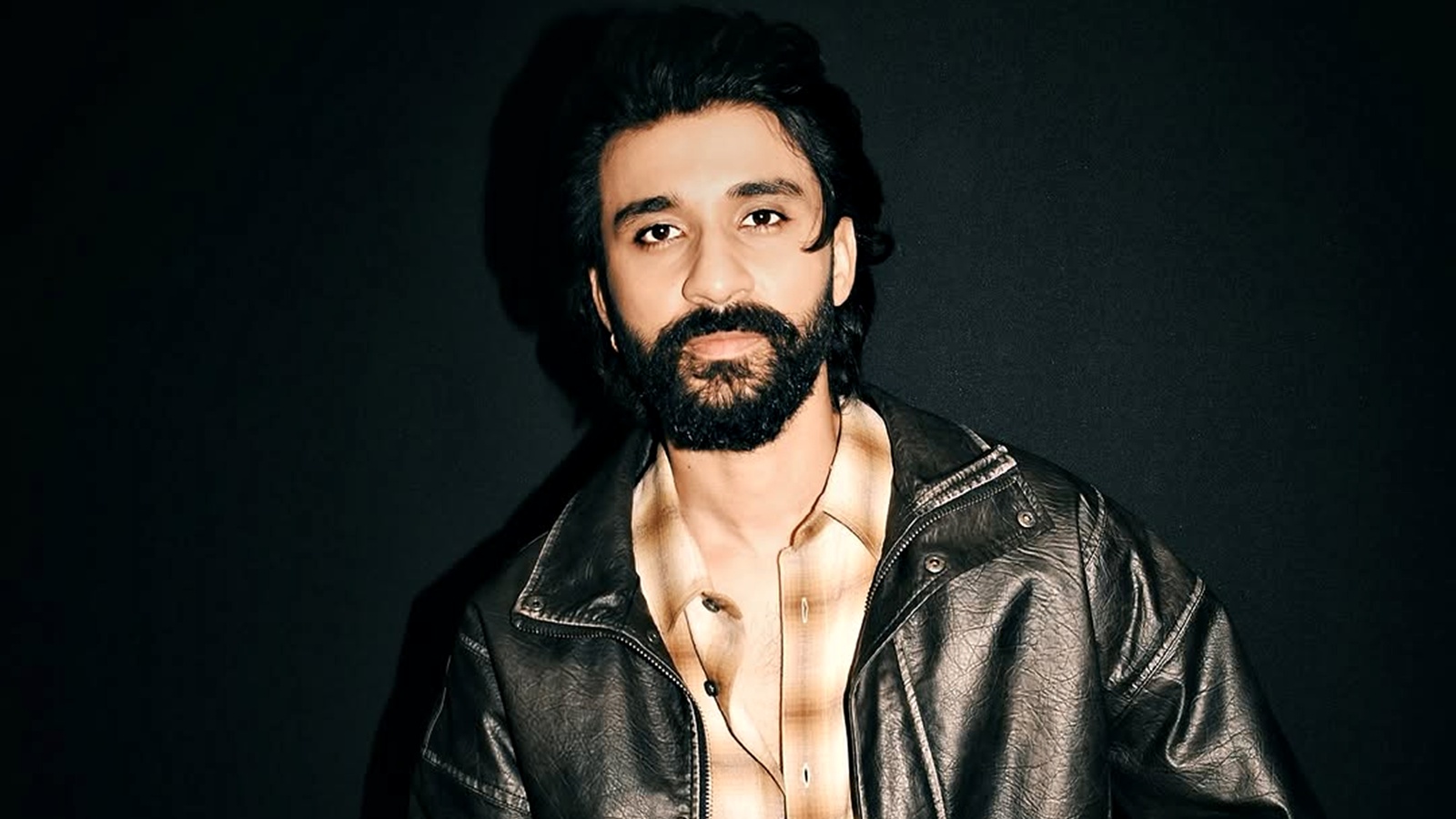
Actor and dancer Raghav Juyal opens up about his unconventional approach to love, emphasizing emotional evolution and mutual challenge over rigid partner requirements. Experts weigh in on the psychological balance between discovery and non-negotiable boundaries.
- Raghav Juyal rejects the 'checklist' approach to finding a partner, viewing love as a process of growth.
- He believes disagreements and conflicts, when handled correctly, lead to deeper self-discovery and better communication.
- Psychologists suggest that while flexibility is healthy, maintaining 'non-negotiables' regarding values and safety is critical.
In an era dominated by dating apps and filtered preferences, Raghav Juyal is challenging the modern 'consumerist' approach to romance. The versatile artist, who is set to portray Meghnad in the upcoming Ramayana, recently shared his philosophy on love, stating that he avoids creating a mental list of requirements for a life partner. According to Juyal, treating a partner like a 'product' to be purchased strips the relationship of its most valuable element: the journey of discovery.
Juyal's perspective centers on the idea that love should be an unpredictable experience that pushes an individual to evolve. He argues that when a partner challenges one's emotions or personality, it creates a catalyst for personal growth. For him, the thrill of discovering new facets of a partner's nature is far more rewarding than finding someone who simply ticks all the boxes on a pre-defined list.
Why This Matters
BozokMedia analysis shows that Juyal's stance reflects a growing cultural shift toward 'mindful dating,' where emotional intelligence is prioritized over superficial compatibility. By framing conflict as a tool for growth rather than a sign of failure, Juyal is promoting a narrative of resilience in relationships. This approach moves away from the 'perfection myth' and toward a more authentic, albeit challenging, human connection.
However, the line between healthy growth and toxic instability is thin. To provide a professional perspective, psychologist Rasshi Gurnani explains that viewing disagreements as growth opportunities is 'psychologically adaptive.' She notes that couples who approach conflict with curiosity and emotional regulation often build deeper intimacy and stronger communication pathways.
Conflict is not inherently a marker of incompatibility but a space for differentiation and secure functioning.
Despite the benefits of a discovery-based approach, Gurnani warns against the complete absence of boundaries. She emphasizes that 'non-negotiables'—such as respect, emotional safety, and shared core values—are essential. Without these, the 'discovery' process can easily slide into toxicity, where one's sense of self or security is repeatedly threatened without resolution.
The distinction between healthy growth and toxic conflict lies in the presence of empathy and accountability. Healthy evolution involves co-regulation and repair after a rupture, whereas toxic dynamics are characterized by contempt, power imbalances, and a persistent erosion of self-esteem.
Frequently Asked Questions
Q1: Does Raghav Juyal believe fighting is necessary in a relationship?
A1: He believes that disagreements are natural and provide opportunities to learn how to communicate better and understand a partner's nature more deeply.
Q2: What is the danger of having no 'checklist' in dating?
A2: According to experts, a total lack of non-negotiables can lead to a lack of clarity on boundaries, potentially allowing toxic behaviors to be excused as 'growth experiences.'