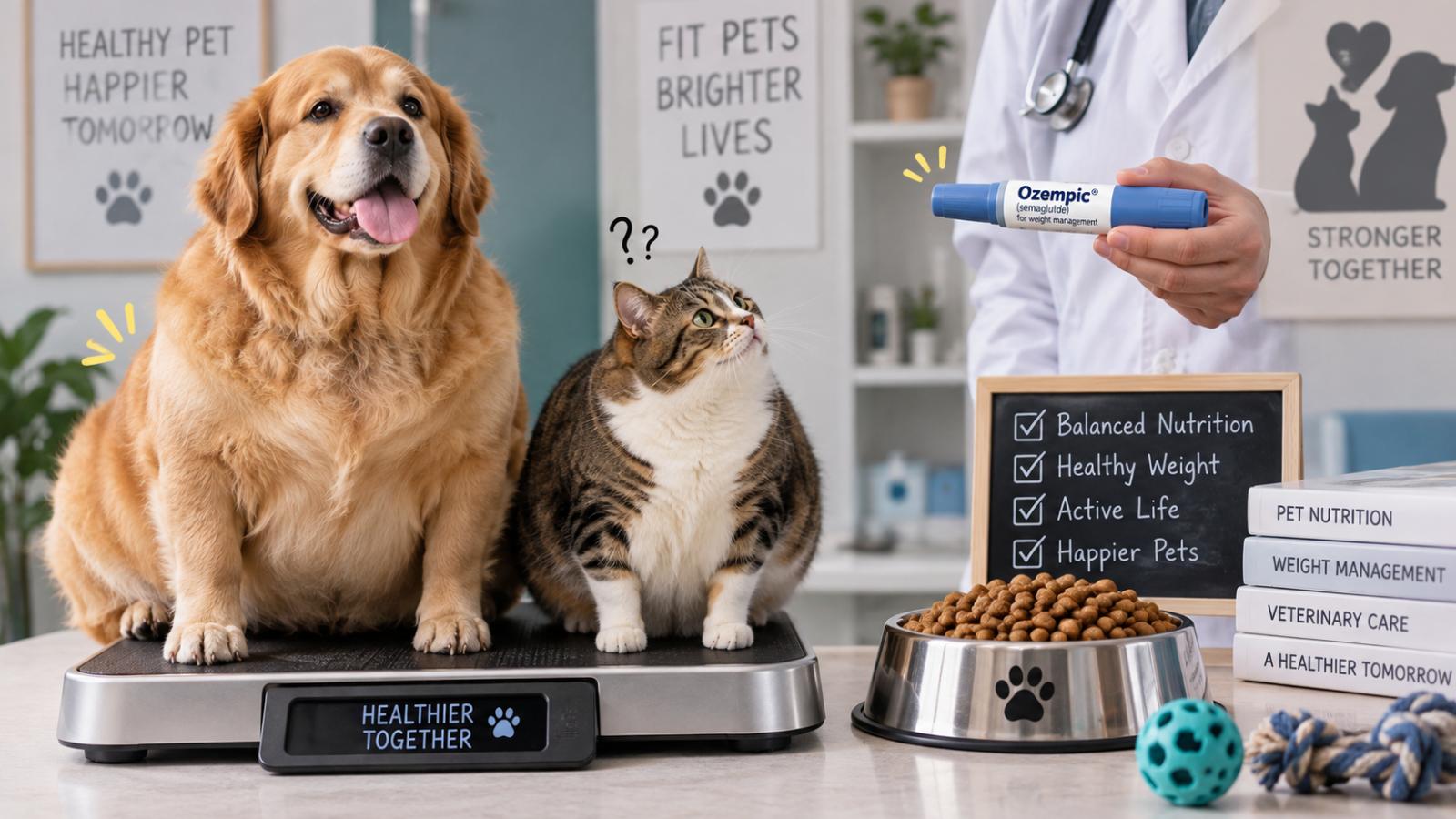
As pet obesity reaches epidemic levels globally, veterinarians are weighing in on whether human-style weight loss drugs like Ozempic are safe for animals or if specialized diets remain the gold standard.
- Pet obesity is surging globally, with nearly 35% of US dogs and cats classified as overweight.
- Veterinarians warn against using human GLP-1 medications (like Ozempic) on pets due to a lack of species-specific clinical evidence.
- Body Condition Scoring (BCS) is more critical than raw weight for assessing pet health.
- Specialized weight-management diets focusing on satiety and lean muscle preservation are the current recommended treatment.
The global conversation around weight loss has shifted from human clinics to veterinary offices. The emergence of 'Ozempup'—a colloquial term blending 'Ozempic' and 'puppy'—reflects a growing desire among pet parents to find rapid pharmaceutical solutions for overweight pets. However, medical professionals are urging caution, emphasizing that the biological needs of animals differ fundamentally from humans.
According to Dr. Ramjilal Yadav of New Life Care Pet Clinic, the surge in pet obesity is driven by a combination of overfeeding, high-calorie treats, and a sedentary lifestyle. He notes that many owners fail to adjust caloric intake based on the pet's age, breed, or neutering status, leading to chronic weight gain that transcends simple aesthetics and enters the realm of clinical pathology.
To combat this, vets utilize the Body Condition Scoring (BCS) system, a nine-point scale where 4–5/9 is ideal. Unlike a simple scale, BCS evaluates the abdominal tuck and rib palpation, providing a more accurate picture of fat versus muscle mass.
Why This Matters
BozokMedia analysis shows that the pet health market is evolving from basic nutrition to specialized medical wellness. The projected growth of the India Pet Obesity Market—expected to reach $2.4 billion by 2031—indicates a massive commercial shift toward 'weight-management' ecosystems. This isn't just about aesthetics; obesity in pets is a gateway to diabetes and degenerative joint disease, significantly reducing the animal's lifespan.
"Human semaglutide products should not be given to animals without specific veterinary direction; safety and long-term effects require dedicated veterinary evidence."
While GLP-1 therapies are attracting research interest for their ability to regulate glucose and appetite, Dr. Deepraj Prajapati warns that accidental exposure to these drugs in pets is already a concern. The veterinary community is currently focused on the 'science of satiety'—creating foods that make pets feel full without the excess calories.
Dr. Shashank Sinha, CEO of Drools, explains that professional weight-management diets are not merely 'low-calorie' versions of kibble. They are engineered with L-carnitine, choline, and soluble fibers to preserve lean muscle while burning fat, often supplemented with glucosamine to protect joints under stress.
| Feature | Regular Pet Food | Weight Management Diet |
|---|---|---|
| Caloric Density | High | Controlled/Low |
| Satiety Level | Standard | Enhanced (Soluble Fiber) |
| Muscle Support | General | High Protein-to-Calorie Ratio |
| Joint Care | Optional | Often includes Glucosamine |
Frequently Asked Questions
Q: Can I give my dog a small dose of human weight loss medication?
A: Absolutely not. Human medications are not formulated for pet physiology and can cause severe adverse reactions without veterinary supervision.
Q: How do I know if my pet is clinically obese?
A: Consult a vet for a Body Condition Score (BCS) assessment; if you cannot feel your pet's ribs easily, they may be overweight.