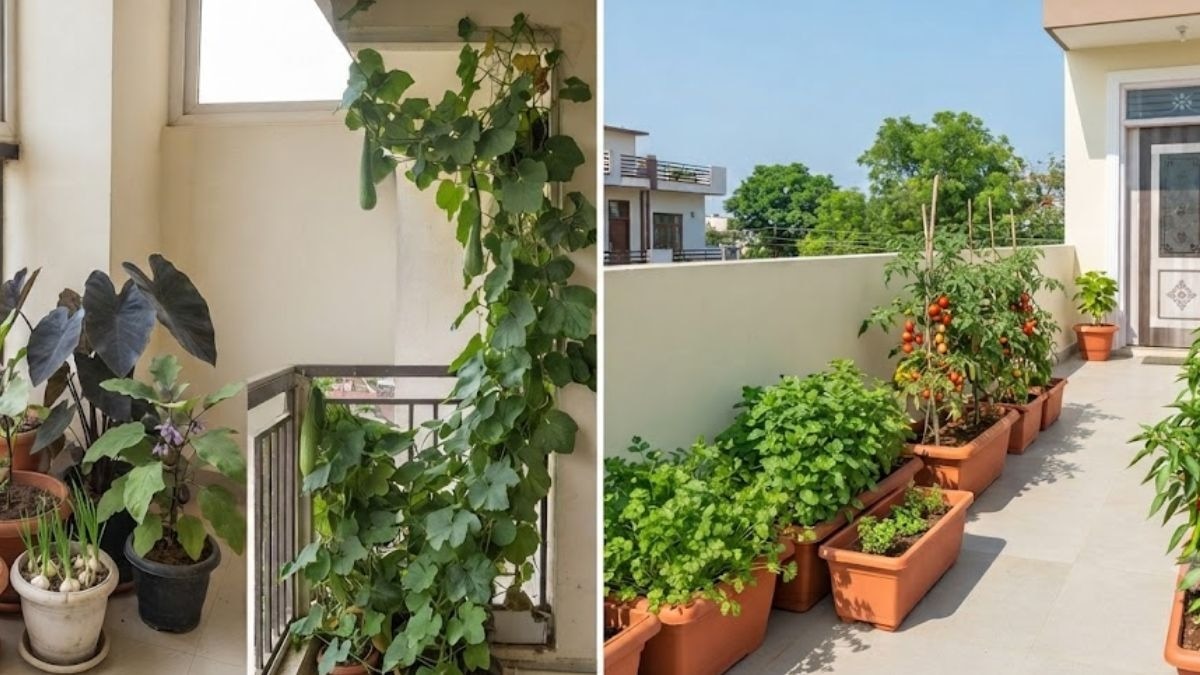
According to Vastu Shastra, planting certain vegetables in your home garden can trigger negative energy and financial instability. Discover which plants to avoid and where to grow them for prosperity.
- Onion and garlic are considered 'Tamasic' and should be kept away from living areas.
- Colocasia (Arbi) and Brinjal are often associated with negative energy or Rahu-Ketu.
- Herbs like Coriander and Mint are highly auspicious for home gardens.
- North and East directions are ideal for placing your kitchen garden.
The trend of maintaining a kitchen garden in urban homes is skyrocketing. From balconies to rooftops, people are cultivating tomatoes, chilies, and mint to ensure fresh produce. However, Vastu Shastra suggests that the nature, direction, and placement of these plants can significantly impact the household's prosperity.
Vegetables to Avoid in the Main Living Area
Vastu principles suggest that certain plants carry energies that may not align with a peaceful home environment. Growing them in the wrong place could potentially lead to financial or mental stress.
1. Onion and Garlic
In many traditional beliefs, onion and garlic are classified as Tamasic. Because of this, it is advised not to grow them near prayer areas or within the main living quarters. If you wish to cultivate them, keep your garden in a separate area away from the primary residence.
2. Colocasia (Arbi)
The Colocasia plant is often linked to Rahu and Ketu in astrological contexts. Some practitioners believe that growing it inside the house can increase negative energy vibrations, though this remains a matter of belief rather than scientific fact.
3. Brinjal (Eggplant)
Vastu traditions often associate the Brinjal plant with economic fluctuations. To mitigate any perceived negative impact, it is recommended to grow these in an open courtyard rather than inside the house or near the entrance.
4. Creepers (Bottle Gourd & Pumpkin)
Plants like Bottle Gourd and Pumpkin grow aggressively. Vastu advises against letting these vines completely cover the main entrance, as an obstructed doorway is believed to block the flow of positive energy and luck.
Why This Matters
BozokMedia analysis shows that while modern gardening focuses on nutrition, integrating Vastu principles ensures that the environment remains energetically balanced. A garden that aligns with natural directions can act as a reservoir of positive vibes for the family.
Aligning your garden with Vastu directions can transform a simple hobby into a source of prosperity.
| Vegetable Type | Vastu Impact | Recommended Placement |
|---|---|---|
| Coriander/Mint | Highly Auspicious | Balcony/Windowsill |
| Onion/Garlic | Tamasic/Negative | Away from Living Area |
| Brinjal | Potential Financial Strain | Open Garden/Courtyard |
Frequently Asked Questions
Question 1: Which direction is best for a kitchen garden?
Answer: According to Vastu, the North and East directions are considered most favorable for plant growth and positive energy.
Question 2: Can I grow tomatoes in my balcony?
Answer: Yes, tomatoes, mint, and green chilies are considered auspicious and are perfect for balcony gardening.