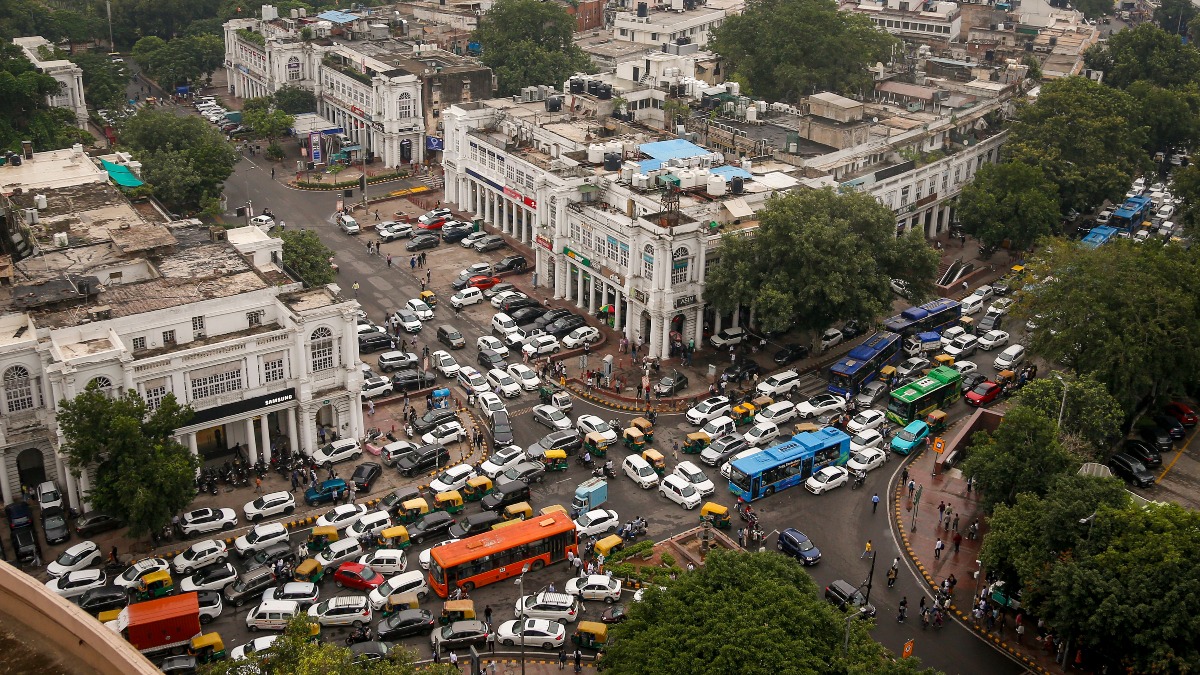
The New Delhi Municipal Council (NDMC) has directed all commercial outlets in Connaught Place to shut by 6:30 PM daily, aiming to curb noise and manage evening crowds. Penalties of up to ₹10,000 will be imposed for non‑compliance.
Key Takeaways
- All shops and restaurants in Connaught Place must close by 6:30 PM.
- Violations will attract fines up to ₹10,000.
- Purpose is to reduce noise and manage evening footfall.
The New Delhi Municipal Council (NDMC) has issued a fresh directive ordering every commercial outlet in Connaught Place (CP) to shut their doors no later than 6:30 PM daily, effective from July 1, 2026. The move aims to curb excessive noise, ease traffic congestion, and ensure a safer environment for residents and tourists during the evening rush.
According to the circular, restaurants, cafés, retail stores, and street vendors must stop serving food, halt sales, and begin clearing premises by the stipulated time. NDMC officials will conduct random inspections, and non‑compliant establishments face penalties ranging from ₹5,000 to ₹10,000 per violation.
NDMC’s decision follows similar curfew measures imposed during major festivals such as Diwali and Navratri, when the council temporarily restricted operating hours to manage crowds. Historically, such restrictions have led to a noticeable dip in noise complaints and smoother traffic flow in the area.
Why This Matters
BozokMedia analysis shows that evening footfall in CP peaks between 7 PM and 9 PM, often resulting in traffic snarls and heightened noise levels. By enforcing an early closure, the council hopes to improve the quality of life for nearby residents and preserve the heritage ambience of the historic market.
"Early closure of commercial units in high‑traffic zones can significantly reduce noise pollution and improve pedestrian safety," says urban planning expert Dr. Ayesha Khan.
Frequently Asked Questions
- When does the new curfew start? The order comes into force on July 1, 2026.
- What are the penalties for non‑compliance? Fines range from ₹5,000 to ₹10,000 per incident.
