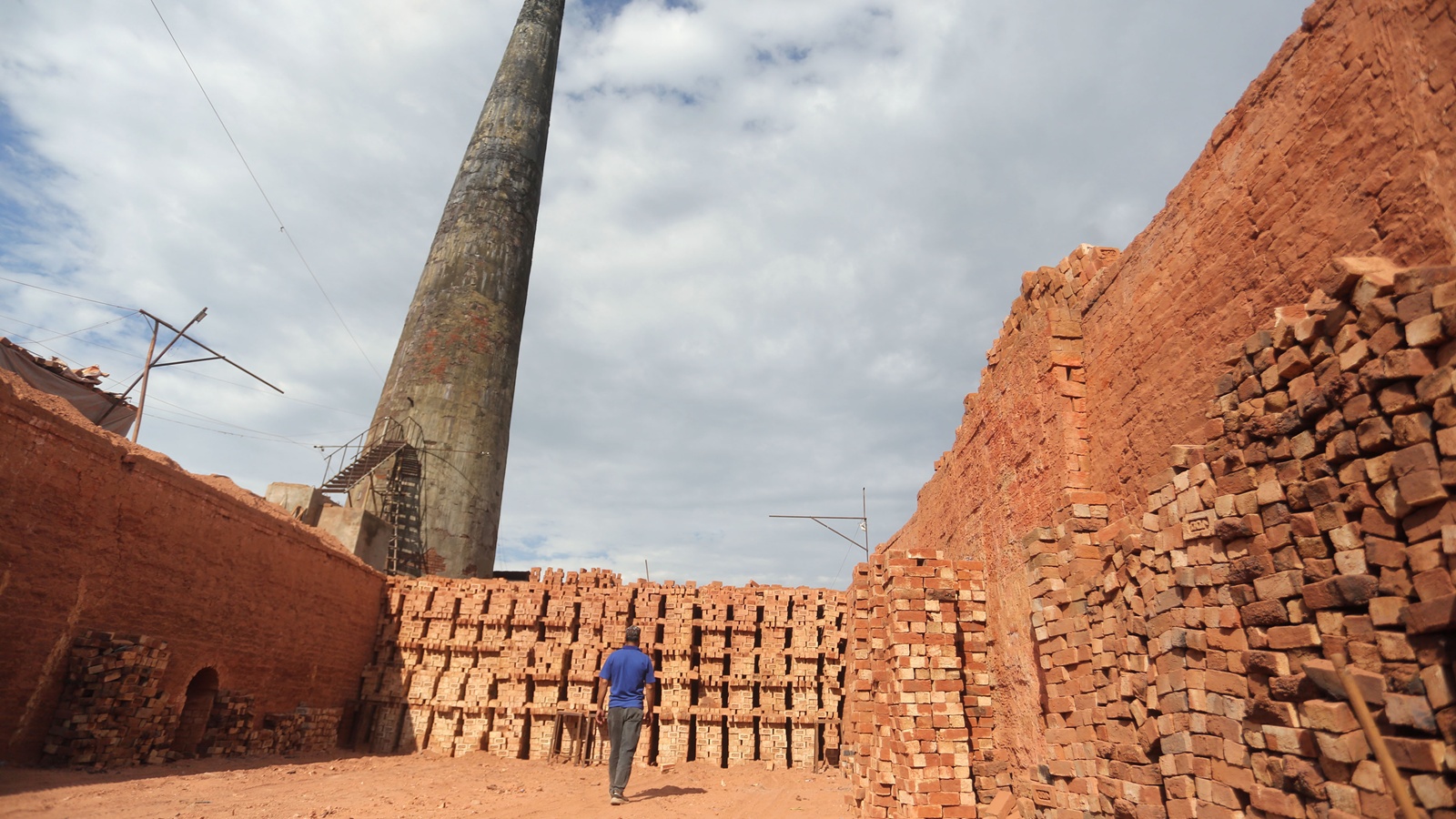
Every spring, thousands of workers from Bihar, Uttar Pradesh, West Bengal and Assam head to Kashmir. Amid terrorist attacks and strict curfews, they cannot afford to stop working to send money home.
Key Takeaways
- Over 400,000 non‑local workers are employed in Kashmir
- New curfew limits reduce working hours for migrants
- Economic pressure forces workers to continue late‑night shifts
Introduction
As the snow melts, migrants from Bihar, Uttar Pradesh, West Bengal and Assam travel to Kashmir, filling brick‑kiln, construction, apple‑orchard and saffron‑farm jobs. Their labour is visible across the Valley.
Curfews and Security Measures
Following a recent terrorist attack that killed two brick‑kiln workers, police ordered all non‑local laborers to be back in their rooms by 8 p.m. This curfew forces many to abandon overtime, jeopardising the income that sustains their families.
Voices from the Field
Mohammad Manzoor, a mason from Bihar, explains, "If we have to leave the site early, we can’t pay rent, food and send money home." Similar stories echo through the cramped lanes of downtown Srinagar.
Historical Background
Land reforms in the 1970s transformed J&K’s agrarian structure, creating a small elite and reducing local labor availability. Consequently, the region became heavily dependent on migrant workers for construction, agriculture and low‑skill jobs.
Why This Matters
BozokMedia analysis shows that the continued reliance on migrant labor highlights systemic gaps in local employment generation, and any disruption—like curfews—directly threatens the economic stability of thousands of households across the region.
"Without robust security protocols, migrant workers will remain the backbone of Kashmir’s economy, yet remain highly vulnerable." – Labor policy expert Dr. Rajat Singh
Frequently Asked Questions
Question 1: How can the safety of migrant workers in Kashmir be improved?
Answer: By implementing targeted security patrols and community‑based monitoring alongside employer accountability.
Question 2: Is there potential for local Kashmiri workers to replace migrants?
Answer: Without substantial economic reforms and skill‑training programs, large‑scale local employment remains unlikely.


