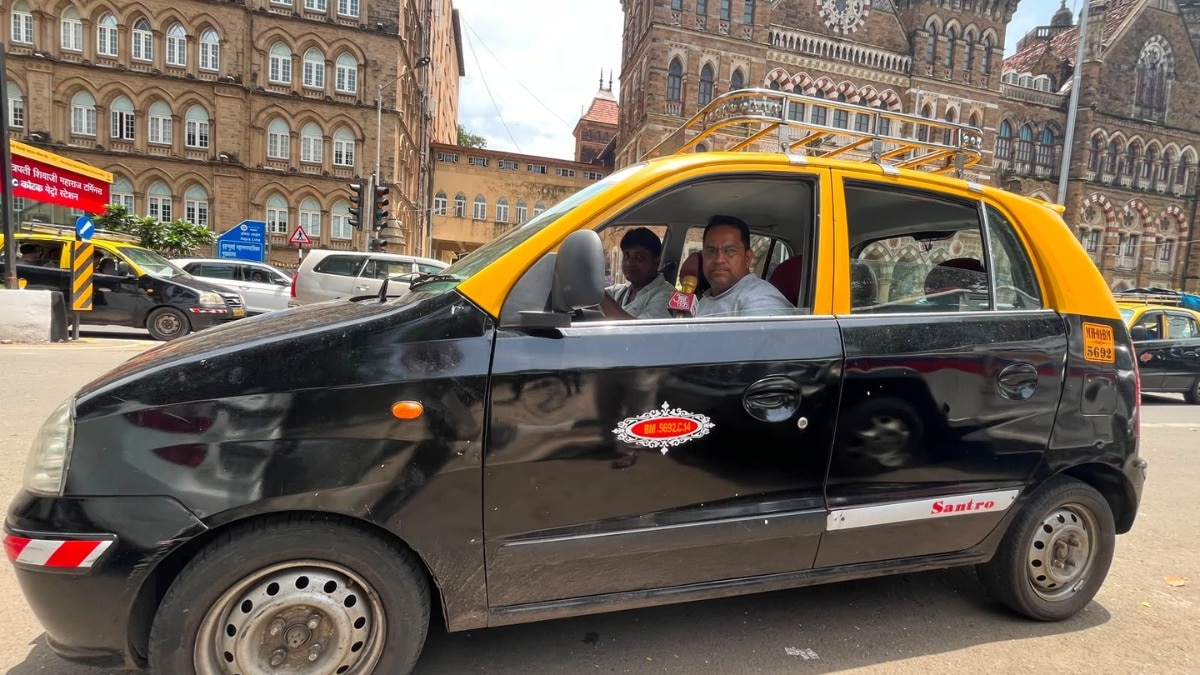
The 100-day deadline for taxi and auto-rickshaw drivers to learn Marathi has ended. The Maharashtra government is now deciding between enforcing license suspensions or extending the learning period.
- The 100-day window for drivers to learn functional Marathi has concluded.
- Transport Minister Pratap Sarnaik will lead a crucial decision-making meeting on Wednesday.
- Potential penalties include the suspension of driving licenses and permits.
- Political opposition calls for more support, such as night schools, instead of punishment.
The Maharashtra government is at a critical crossroads regarding its mandate for taxi and auto-rickshaw drivers to acquire proficiency in the state language, Marathi. With the 100-day deadline officially expired, officials are now weighing the consequences for drivers who have yet to meet the requirement. The central question remains: will the state enforce strict punitive measures or offer a grace period for further learning?
Transport Minister Pratap Sarnaik is scheduled to preside over a high-level Transport Department meeting this Wednesday. The agenda is expected to focus on whether to initiate the suspension of licenses and permits for non-compliant drivers or to implement a more supportive framework. The government had previously issued warnings that failure to demonstrate basic Marathi proficiency could lead to the loss of operating permits.
Why This Matters
BozokMedia analysis shows that this policy sits at the intersection of linguistic identity and urban economic stability. While the rule aims to preserve cultural heritage, any sudden enforcement could disrupt the livelihoods of thousands of workers and impact the city's essential transport ecosystem.
Language should serve as a bridge for communication rather than a barrier to employment.
The move has sparked significant political debate. Congress MLA Amin Patel has voiced strong opposition, stating that the government should not penalize hardworking individuals who are struggling to earn a living. He has pledged to write to the Minister seeking an extension. Similarly, Aslam Sheikh, another Congress leader, suggested that instead of punishment, the government should facilitate learning through night schools to accommodate drivers' working hours.
Defending the initiative, Deputy Chief Minister Eknath Shinde highlighted the campaign's success, noting that approximately 1.25 lakh non-Marathi speaking drivers have already successfully completed the functional Marathi training. Shinde emphasized that the goal is voluntary adoption and cultural pride rather than forced compulsion, describing Marathi as a "language of devotion."
| Feature | Government Stance | Opposition Stance |
|---|---|---|
| Primary Goal | Linguistic Proficiency | Livelihood Protection |
| Proposed Method | Examination & Certification | Night Schools & Support |
| Potential Action | License Suspension | Deadline Extension |
Historical Background
The requirement for basic Marathi proficiency in obtaining driving licenses is not a new concept; regulations dating back to 1989 have long emphasized the importance of local language skills for transport workers in the state.
Frequently Asked Questions
1. What happens if a driver fails the Marathi proficiency test?
The government is currently deciding whether to suspend their permits or provide an extended period to retake the test.
2. How many drivers have passed the exam so far?
According to Deputy CM Eknath Shinde, 1.25 lakh drivers have already passed the functional Marathi examination.