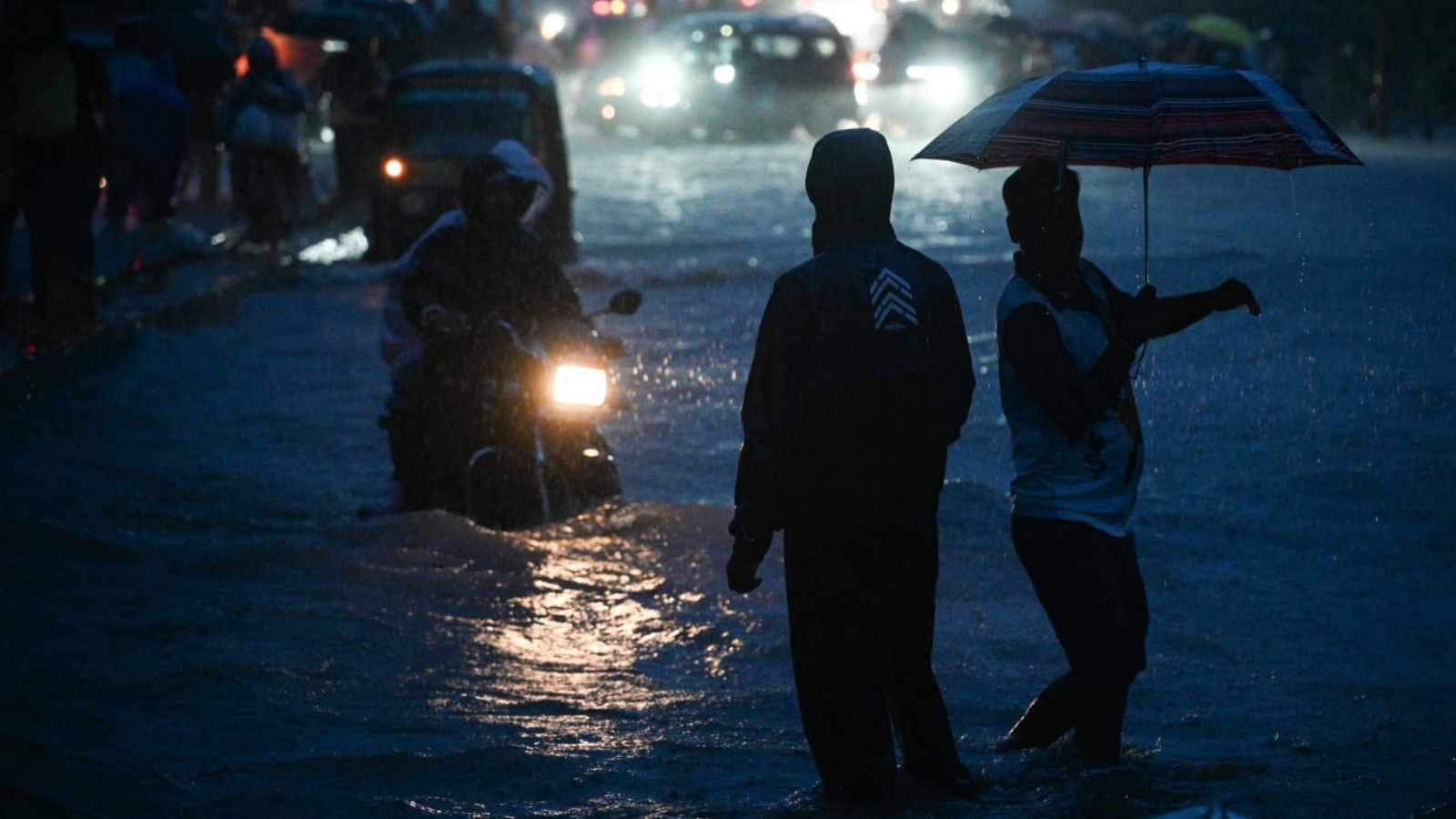
Incessant heavy rainfall across Kerala, Gujarat, and Maharashtra has wreaked havoc, leading to the tragic deaths of at least 28 people due to landslides and severe waterlogging.
The Indian monsoon, often hailed as the lifeblood of the subcontinent, has turned into a formidable force this year, unleashing its fury across several states. Kerala, Gujarat, and Maharashtra have been grappling with relentless heavy rains over the past few days, severely disrupting daily life and tragically claiming at least 28 lives. Among these fatalities, 20 people succumbed to rain-related incidents in Maharashtra's Palghar district, which has been battered by continuous downpours.
The India Meteorological Department (IMD) has issued forecasts for heavy rains and thunderstorms in Kerala, Karnataka, Punjab, Himachal Pradesh, and Delhi, indicating that the situation could worsen in the coming days. A devastating landslide in Kerala’s Wayanad on Tuesday resulted in three deaths and numerous injuries, while Gujarat’s Surat reported five fatalities following 'extremely heavy' rainfall over the last two days. These figures underscore the destructive impact of the current monsoon spell.
In Karnataka, the Dakshina Kannada district administration has declared a holiday for schools and pre-university colleges on Wednesday, anticipating further heavy rainfall. A red alert has been issued, advising tourists to avoid riversides, beaches, and hilly areas due to the persistent risk of mudslides in certain elevated regions. Fishermen have been cautioned against venturing into the sea, and all taluk-level officials have been instructed to remain on high alert at their headquarters, demonstrating the proactive measures being taken by local authorities.
Delhi, the national capital, experienced its wettest day of the year on Tuesday, as continuous rains led to widespread waterlogging, uprooted trees, and severe traffic congestion across the city. The first major spell of monsoon also paralyzed daily life in Gurugram, part of the National Capital Region (NCR), with reports of road cave-ins, extensive flooding, and traffic snarls. In Mumbai, residents received a welcome respite on Tuesday as the incessant rains eased after two days of continuous downpour, allowing road transport and local train services to gradually return to normal.
This fierce manifestation of the monsoon highlights the vulnerabilities in urban planning and disaster management across India. Experts suggest that climate change is exacerbating the intensity and unpredictability of monsoon rainfall, placing immense pressure on existing drainage systems in urban centers. This situation not only results in immediate loss of life and property but also has long-term economic and social repercussions. It presents a significant challenge for government and local bodies to develop robust infrastructure and effective early warning systems to mitigate the impact of such calamities in the future.